
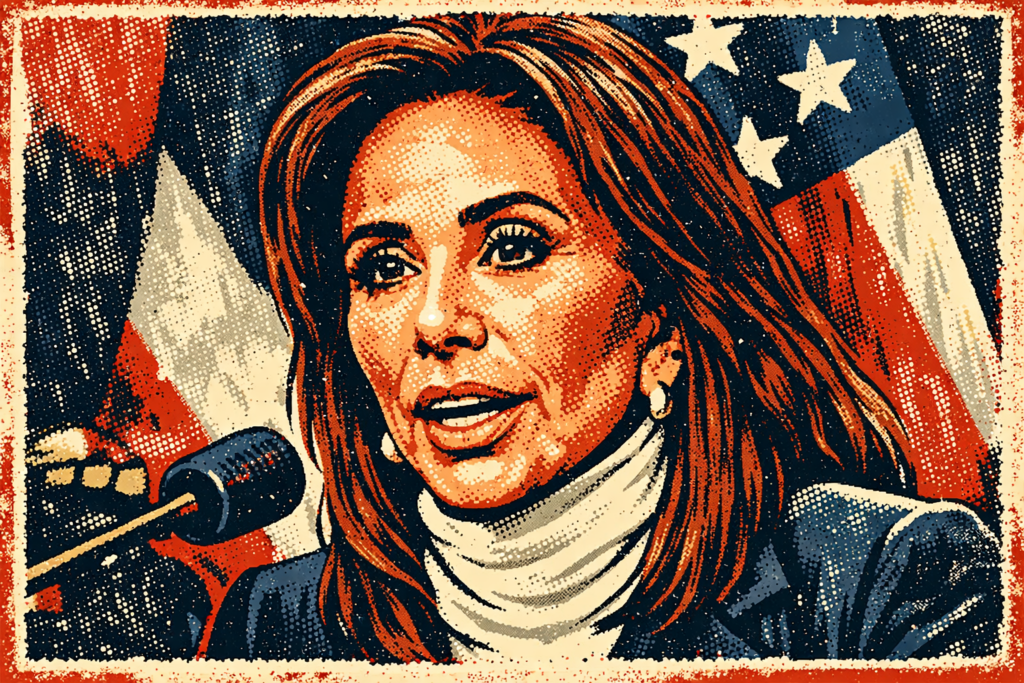
Judge Jeanine Tries to Wipe MAGA Architect’s Conviction
Judge Jeanine Pirro, the Trump‑appointed U.S. Attorney for Washington, D.C. and former Fox News personality, has taken a controversial legal step in an effort to erase the criminal record of prominent MAGA figure Steve Bannon, according to new reporting. In a short, two‑page filing submitted on February 9, 2026, Pirro asked a federal judge to dismiss the 2022 conviction of Bannon — a move that could effectively wipe his criminal record clean and potentially end ongoing legal challenges related to that conviction.
Bannon, a former adviser to Donald Trump, was convicted in 2022 of two counts of contempt of Congress after he repeatedly ignored subpoenas from the House Select Committee investigating the January 6, 2021, Capitol attack. A jury found him guilty, and he subsequently served a four‑month prison sentence, completing it in October 2024.
In her motion, Pirro asserts that the Justice Department has determined dismissal of the case is in the “interests of justice,” and notes that Bannon does not oppose the motion. The filing notably was submitted without the signature of any career prosecutors, raising questions about internal Department of Justice procedures and the degree to which Pirro’s broad discretion was exercised independently.
The motion was presented to U.S. District Judge Carl Nichols, the very judge who presided over Bannon’s trial and conviction. If Judge Nichols agrees with the DOJ motion to dismiss and vacate the conviction, it could bring Bannon’s long‑running legal battle — including his petition to the Supreme Court challenging the validity of the contempt charges — to a close. Critics of the motion view this as a politically charged effort to undo criminal accountability for a high‑profile MAGA figure.
Steve Bannon has been a polarizing figure within American politics — both as a longtime political strategist and as a leading supporter of Donald Trump and MAGA causes. After leaving the White House in 2017, he remained a key voice in right‑wing media and politics. His contempt conviction stemmed from his refusal to comply with a lawful congressional subpoena requesting documents and testimony related to the January 6 Capitol assault. A bipartisan majority of the House voted to hold him in contempt, echoing broad congressional concerns about his actions.

The dismissal motion aligns with actions taken by the DOJ under Attorney General Pam Bondi, who has emphasized a desire to reverse what she and her allies describe as “weaponization of the justice system” against conservative figures during prior administrations. Deputy Attorney General Todd Blanche confirmed to reporters that the Department urged the Supreme Court that Bannon’s conviction should be vacated, attaching a brief from the Solicitor General’s office supporting that position.
This development comes as Bannon, Navarro, and other Trump‑aligned figures continue to reject accountability for January 6, often characterizing legal actions against them as illegitimate or politically motivated. Donald Trump himself praised Bannon on social media, describing him and Peter Navarro — another Trump aide who was convicted in a separate contempt case — as “treated so unfairly by Sleepy Joe Biden.” Trump’s public support has reinforced the perception among his base that these prosecutions are partisan.
Legal experts say the DOJ motion is unusual because dismissing a long‑completed prosecution, especially one that has survived appeal, is a rare use of prosecutorial discretion. Observers say that vacating a conviction without the concurrence of career prosecutors — and absent the usual internal DOJ review process — could set a significant precedent when it comes to how politically charged cases are handled. The specter of political intervention in prosecutorial decisions has drawn bipartisan concern from some legal ethics specialists.
Opponents of the motion also argue that Bannon’s conviction was upheld repeatedly through the courts and that allowing its dismissal now could undermine the authority of both the judicial process and congressional investigative powers. They contend that circumvention of accountability for defying a congressional subpoena could embolden figures who resist lawful oversight in the future.
As of now, it remains unclear whether Judge Nichols will grant the DOJ’s motion. If he does, it may conclude a controversial chapter in post‑January 6 litigation and curb the Supreme Court’s involvement in Bannon’s petition — even as larger debates over accountability for political figures persist.

⚖️ Key Legal Outcomes
-
DOJ motion filed to dismiss Steve Bannon’s 2022 contempt‑of‑Congress conviction.
-
The motion was filed without signatures from career prosecutors, drawing scrutiny.
-
Bannon does not oppose the dismissal motion.
-
U.S. District Judge Carl Nichols, who oversaw the original trial, will consider the request.
-
If granted, the dismissal could end ongoing Supreme Court proceedings over the conviction.
❗ Why It Matters
-
Shows the use of prosecutorial discretion in politically sensitive cases.
-
Raises questions about independence of the Justice Department and career prosecutors.
-
Could undermine congressional authority to enforce subpoenas.
-
Signals broader efforts to reverse prosecutions tied to January 6.
-
May set precedent for how past convictions are challenged and vacated.
