
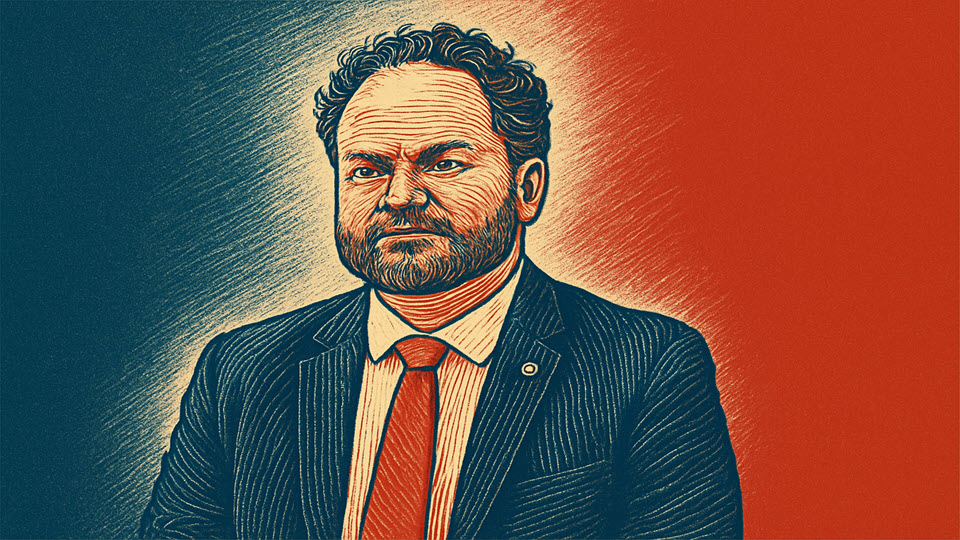
Judge Resigns, Probe Continues
Former Brunswick Judicial Circuit Superior Court Judge Robert “Bert” Guy Jr. may have stepped down from the bench, but his resignation has not shielded him from an active judicial misconduct investigation that continues to move forward in Georgia. The unfolding situation highlights how judicial ethics bodies maintain authority over judges even after they leave office, especially when allegations involve behavior that could undermine public trust in the judiciary.
Guy resigned following his arrest in Florida, where he was charged with driving under the influence of alcohol. The arrest triggered immediate questions about his conduct, professionalism and ethical fitness to serve. While resignations often close the book on a judge’s active disciplinary exposure, the Georgia Judicial Qualifications Commission (JQC) has made clear that this is not such a case. According to JQC Director Courtney Veal, the commission’s Investigative Panel still has an open complaint against Guy — and his departure from the bench has not closed it.

Guy’s resignation came without an agreement or negotiated resolution with the JQC. Typically, when a judge faces potential discipline, the JQC and the judge may enter into a consent resolution involving resignation, censure, or agreed-upon sanctions. That did not happen here. Instead, Guy stepped down unilaterally, leaving the commission free to continue probing the allegations.
The misconduct complaint reportedly predates his resignation and is tied to both his arrest and broader conduct concerns. The JQC has been increasingly assertive in its recent oversight efforts, signaling that judicial accountability remains a priority even after judges attempt to exit under a cloud.
The ongoing investigation is notable because investigative authority over former judges depends heavily on jurisdictional rules. In Georgia, the JQC has the power to pursue discipline—including public findings or referrals—after a judge leaves office, especially if misconduct occurred while they were serving. This means the probe into Guy could ultimately result in public reprimands, permanent removal recommendations, or determinations that may impact his eligibility for future judicial or public roles.

The situation also highlights the importance of judicial ethics systems that do not allow judges to avoid scrutiny by simply resigning before disciplinary processes conclude. Guy’s arrest — a dramatic and public incident — created significant concern about his fitness to serve. But the JQC’s continuation of its probe indicates the commission’s view that public transparency and institutional integrity require a full investigation regardless of whether the judge is still on the bench.
Members of the legal community in Georgia are following the case closely. Judicial accountability is key to the public’s perception of fairness, and ethical breaches often carry broader consequences for the judiciary’s legitimacy. The case also shows that misconduct in one state — even while traveling — can affect judicial status and trigger disciplinary mechanisms elsewhere.
As the investigation proceeds, the JQC could ultimately issue findings that confirm, refute, or expand upon the allegations. Since no settlement was reached and no public resolution announced prior to Guy’s departure, the commission has wide discretion on how to conclude its inquiry. What remains certain is that the case is far from over, despite the resignation, and Georgia’s judicial watchdog intends to see the process through.
✅ Why It Matters
-
Highlights that judges cannot avoid accountability by resigning mid-investigation.
-
Reinforces the Georgia JQC’s commitment to transparency and judicial integrity.
-
Suggests potential long-term consequences for Guy’s career and public trust.
-
Demonstrates increasing scrutiny on judges’ personal conduct and off-bench behavior.
-
Shows how high-profile judicial misconduct cases affect public confidence in the courts.
✅ Key Legal Outcome
-
The judicial misconduct investigation remains open despite Guy’s resignation.
-
No settlement or agreement was reached between Guy and the JQC before he stepped down.
-
The JQC Investigative Panel retains jurisdiction over actions taken while he served as judge.
-
Possible outcomes still include public reprimand, permanent bar from judicial service, or formal findings.
-
The DUI arrest in Florida remains central evidence in the misconduct inquiry.
