
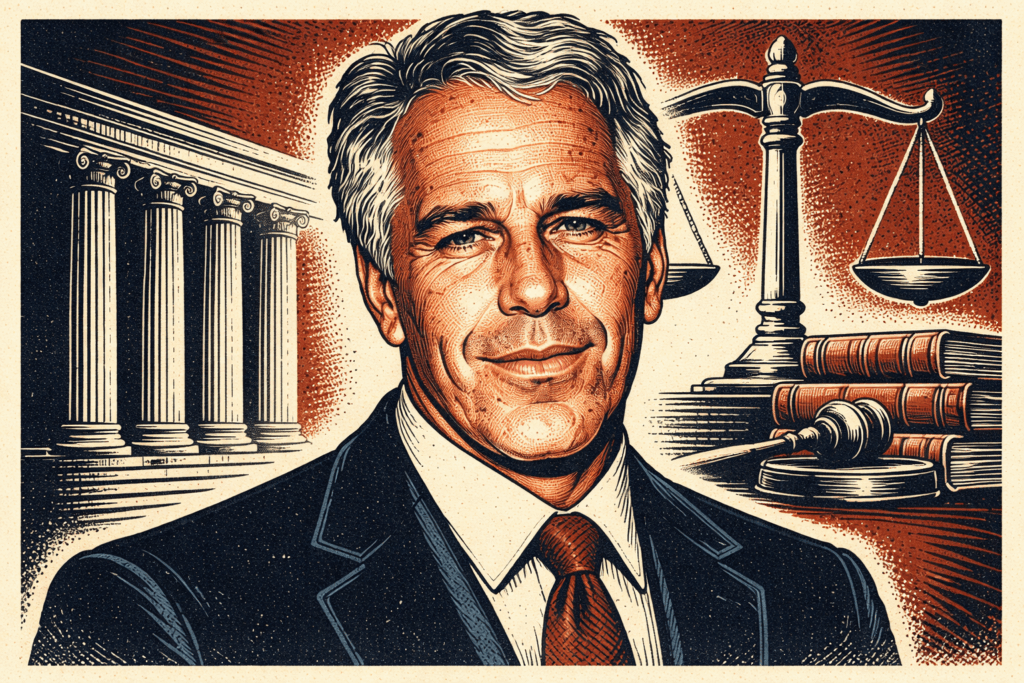
UN Experts: Epstein Files Show Crimes Against Humanity
A panel of United Nations independent experts has issued a stark assessment that the mountain of files related to the convicted sex offender Jeffrey Epstein may contain allegations of atrocities that rise to the level of crimes against humanity under international law. The experts were appointed by the U.N. Human Rights Council and released their findings after reviewing millions of documents made public from the U.S. Justice Department’s ongoing disclosures from Epstein’s investigations.
The files, released under the Epstein Files Transparency Act — a law passed by the U.S. Congress and signed by President Donald Trump — contain a trove of records, emails, photos, and evidence gathered by investigators and prosecutors over years of federal inquiry into Epstein’s activities and networks. The panel’s statement said the crimes described in these documents, which include systematic and widespread sexual exploitation, trafficking, abuse, and other misconduct, may meet the legal threshold of crimes against humanity as defined under international law — even though Epstein acted outside the context of an armed conflict.
Under international legal frameworks such as the Rome Statute of the International Criminal Court, crimes against humanity are serious offenses — including rape, sexual slavery, trafficking, enforced disappearance, torture, and other inhumane acts — committed as part of a systematic or widespread attack against a civilian population. The experts stated that the scale, systematic nature, and transnational reach indicated in the Epstein files appear sufficient for certain allegations to meet this stringent standard.
In their review, the U.N. panel emphasized that these crimes emerged from a backdrop of supremacist beliefs, racism, corruption, and extreme misogyny, and involved the commodification and dehumanization of women and girls from multiple regions of the world. These patterns, they said, suggest not isolated offences but rather a global criminal enterprise of abuse and exploitation with significant international implications.
Although the crimes detailed in the files were compiled by U.S. prosecutors during decades of investigation — including evidence seized at Epstein’s properties in New York, Florida, and abroad — the U.N. experts warned that the allegations require independent, thorough, and impartial investigation beyond what has been disclosed so far. They noted that many survivors remain traumatized and that the sheer breadth of the case demands more accountability and transparency.

One of the panel’s criticisms extended beyond the content of the allegations themselves to how the U.S. Justice Department has released the files. The experts raised concerns about “serious compliance failures and botched redactions” that, in some instances, exposed sensitive victim information. They said incomplete or improper redactions have retraumatized survivors and undermined efforts to handle the materials with sensitivity and legal care.
More than 1,200 victims have been identified in the released documents thus far, and the panel expressed concern that survivors’ experiences may continue to be marginalized if investigations are not expanded and deepened to account for newly discovered allegations. They also called for inquiries into how such crimes could be committed over many years without sufficient intervention by domestic or international authorities.
The U.N. experts’ statement underscores a growing international conversation about accountability for Epstein’s actions and the broader systems that may have enabled or facilitated them. These discussions now extend beyond U.S. criminal prosecutions and civil litigation to include international legal standards and obligations. Should the allegations meet the criteria for crimes against humanity, it could prompt new kinds of legal scrutiny — potentially involving international bodies or cross-border cooperation.
Despite the severity of these expert claims, the U.S. Justice Department has not publicly responded to the panel’s assessment. The department has continued its phased release of Epstein-related materials in compliance with federal law, but has also faced criticism from lawmakers and human rights advocates for redaction practices and perceived delays.
Whether allegations in the files will lead to new international or domestic criminal investigations — or even create precedent for how such crimes are prosecuted in the future — remains uncertain. Nonetheless, the U.N. experts’ declaration that some allegations may amount to crimes against humanity marks a dramatic reframing of the Epstein case from a high-profile criminal matter to a potentially global human rights issue.

⚖️ Key Legal Outcome
-
U.N. independent experts said allegations in the Epstein files could amount to crimes against humanity, meeting international legal thresholds.
-
The panel termed the crimes systematic, widespread, and transnational, rooted in misogyny, racism, and exploitation.
-
Experts called for independent, thorough, and impartial investigations into the documented abuses.
-
Over 1,200 victims have been identified in released documents, highlighting the scale of alleged abuse.
-
The panel lamented compliance and redaction failures by the DOJ that have impaired transparency and retraumatized victims.
📌 Why It Matters
-
Reframes Epstein’s crimes under international law, potentially as crimes against humanity rather than only domestic offences.
-
Could prompt international investigations or cooperation beyond U.S. prosecutions.
-
Highlights systemic patterns of abuse, not isolated incidents, raising policy and legal questions.
-
Underscores survivors’ experiences and rights, advocating for impartial and victim-centered inquiry.
-
Challenges DOJ transparency practices, encouraging improvements in how sensitive materials are handled and released.
