
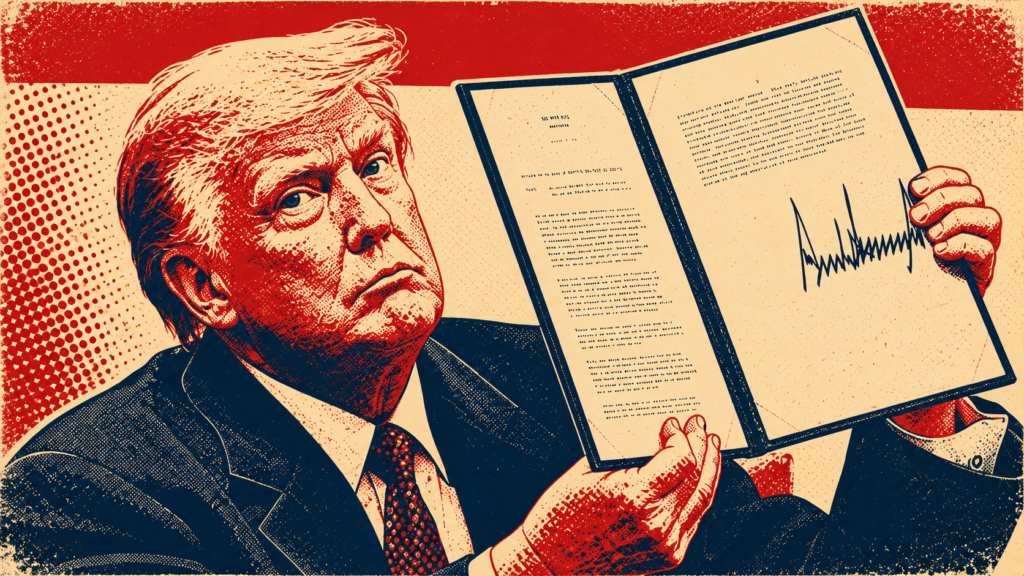
Twenty Attorneys General Challenge Trump’s Contractor DEI Ban
A coalition of 20 Democratic state attorneys general has filed a lawsuit challenging President Donald Trump’s executive order that prohibits federal contractors and grant recipients from maintaining certain diversity, equity, and inclusion (DEI) programs. The lawsuit argues that the administration’s policy exceeds presidential authority, violates constitutional protections, and threatens billions of dollars in federal funding relied upon by states, universities, healthcare providers, and other public institutions.
The lawsuit, filed in federal court, targets one of the Trump administration’s most significant efforts to roll back DEI initiatives across organizations that receive federal funds. The executive order directs federal agencies to require contractors and grant recipients to certify that they do not operate programs deemed to violate the administration’s anti-DEI policies. States argue that the order creates confusion about what conduct is prohibited and imposes new conditions on federal funding without congressional authorization.
The attorneys general contend that the policy unlawfully pressures states and organizations to abandon lawful diversity programs that are designed to promote equal opportunity, address historical barriers, and ensure compliance with existing civil rights obligations. According to the complaint, institutions receiving federal funds now face uncertainty regarding whether scholarships, recruitment efforts, employee training programs, and diversity initiatives could jeopardize their funding.
The states argue that the executive order violates the Constitution’s Spending Clause because the president cannot unilaterally impose new funding conditions that Congress has not authorized. The lawsuit further claims that the policy infringes upon the separation of powers by allowing the executive branch to effectively rewrite federal funding requirements without legislative approval.
The complaint also raises First Amendment concerns. The attorneys general assert that the administration is targeting speech and viewpoints associated with diversity and inclusion efforts while favoring opposing viewpoints. They argue that organizations should not be forced to alter lawful educational, workplace, or training programs simply to maintain eligibility for federal contracts and grants.
According to the states, the order could have sweeping consequences for public universities, hospitals, transportation agencies, research institutions, and other entities that rely heavily on federal support. Plaintiffs warn that uncertainty surrounding compliance requirements may cause organizations to cancel programs, suspend initiatives, or avoid lawful discussions about diversity out of fear of losing funding.

The Trump administration has defended the policy as a lawful effort to ensure that federally funded entities do not engage in discriminatory practices. Administration officials argue that some DEI programs improperly classify individuals based on race, sex, or other protected characteristics and may conflict with federal civil rights laws. Supporters of the policy contend that federal funds should not support programs that provide preferential treatment based on identity.
Legal experts note that the case reflects a broader national debate over the role of DEI programs in education, government, and the workplace. Similar legal challenges have emerged across the country as policymakers and courts grapple with the boundaries between promoting diversity and avoiding unlawful discrimination.
The lawsuit also highlights growing tensions between state governments and the federal administration regarding control over public policy priorities. Democratic-led states argue that the executive order interferes with their ability to manage educational institutions, public agencies, and workforce initiatives in accordance with state laws and local needs.
The coalition is seeking a court order blocking enforcement of the executive order while litigation proceeds. The states argue that immediate relief is necessary to prevent disruption to federally funded programs and to protect institutions from potentially losing access to critical funding streams.
Because federal contractors and grant recipients collectively receive hundreds of billions of dollars annually, the outcome of the case could have substantial financial implications. A ruling against the administration could limit the president’s ability to attach policy-related conditions to federal funding, while a ruling in favor of the administration could expand executive influence over organizations receiving government support.
As the litigation moves forward, courts will likely be asked to weigh competing concerns involving executive authority, federal funding conditions, civil rights law, and constitutional protections. The case is expected to become one of the most closely watched legal challenges involving the administration’s efforts to reshape federal diversity policies.

Key Legal Outcomes
- Twenty Democratic state attorneys general filed a lawsuit challenging President Trump’s contractor DEI ban.
- The lawsuit seeks to block enforcement of executive orders targeting DEI programs among federal contractors and grant recipients.
- Plaintiffs argue the administration exceeded its constitutional authority by imposing new funding conditions.
- The complaint raises claims under the Spending Clause, First Amendment, and separation-of-powers principles.
- The states are requesting injunctive relief to prevent implementation of the policy while litigation continues.
Why This Matters
- The case could determine the extent of presidential authority over federal contractors and grant recipients.
- Billions of dollars in federal funding may be affected by the outcome.
- The litigation could shape the future of diversity, equity, and inclusion programs nationwide.
- A ruling may clarify whether the executive branch can impose new funding conditions without congressional approval.
- The case represents a major legal battle in the broader national debate over DEI policies.
