
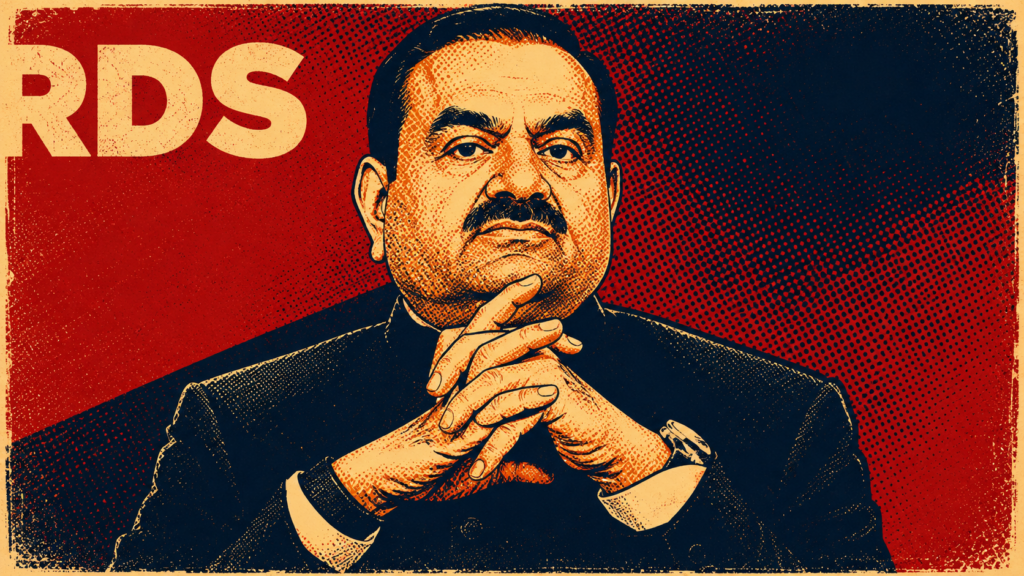
Indian Billionaire Adani Urge US Judge to Dismiss Criminal Case
Indian billionaire Gautam Adani is seeking the dismissal of a U.S. criminal case accusing him of participating in a bribery scheme tied to a major solar energy project in India. The request comes after the U.S. Department of Justice moved to drop the prosecution, marking a dramatic development in one of the most closely watched international corporate corruption cases involving an Indian business leader.
Adani was charged in 2024 with allegedly participating in a scheme to bribe Indian government officials to secure approvals for a large-scale solar power project developed by a subsidiary of the Adani Group. U.S. prosecutors also accused him of misleading American investors by providing assurances regarding the company’s anti-corruption compliance practices while allegedly concealing information about the purported bribery scheme.
The criminal case attracted significant attention because it represented a rare effort by U.S. authorities to pursue foreign bribery-related allegations involving activities that largely occurred outside the United States. Prosecutors argued that the case fell within U.S. jurisdiction because of alleged misrepresentations made to American investors and the use of U.S. financial markets.
In a letter submitted to Nicholas Garaufis of the U.S. District Court in Brooklyn, Adani’s attorney, Robert Giuffra, argued that the prosecution should be formally dismissed. Giuffra contended that the alleged conduct fell beyond the legitimate reach of U.S. criminal law and that prosecutors would be unable to prove the alleged bribery allegations involving Indian government officials.
According to the filing, Adani’s legal team maintained that the government lacked sufficient evidence to establish that any improper payments were made or that Adani personally participated in unlawful conduct. The defense further argued that the alleged events occurred primarily in India and should not have been subject to criminal prosecution in U.S. courts.
The request follows the Justice Department’s decision to move toward dismissing the criminal indictment. According to Giuffra, the government’s decision came after months of discussions and extensive communications between federal prosecutors and attorneys representing Adani and his co-defendants. The filing suggests that those discussions ultimately persuaded prosecutors that continuing the case would not be appropriate.
However, the criminal case cannot be formally terminated until Judge Garaufis approves the dismissal. Federal judges generally grant government requests to dismiss criminal charges, but judicial approval remains a required procedural step before the prosecution can officially end.

In addition to seeking dismissal of the criminal indictment, Adani’s legal team asked the court to formally dispose of related civil enforcement proceedings brought by the U.S. Securities and Exchange Commission. The SEC alleged that investors were misled regarding anti-corruption controls and disclosures connected to the solar project.
Those civil claims have largely been resolved through settlements. Under the proposed agreement, Gautam Adani agreed to pay $6 million to settle the SEC’s allegations without admitting or denying wrongdoing. His nephew, Sagar Adani, separately agreed to pay $12 million as part of the settlement arrangement. The settlements allow both individuals to avoid prolonged litigation while resolving the regulator’s claims.
The developments represent a significant victory for Adani, who has consistently denied all allegations throughout the investigation. The Adani Group has repeatedly maintained that it complied with applicable laws and corporate governance standards and has characterized allegations of corruption as unfounded.
Separately, another major legal matter involving the Adani business empire has also been resolved. Adani Enterprises Limited agreed to pay $275 million to the U.S. Treasury Department to settle allegations involving violations of U.S. sanctions related to Iran. That settlement is distinct from the bribery and securities cases but reflects the broader regulatory scrutiny facing companies associated with the Adani Group.
The case has drawn attention from international investors because of its implications for cross-border enforcement actions and the ability of U.S. authorities to pursue foreign business executives whose activities affect American financial markets. Legal experts have long debated how aggressively U.S. regulators and prosecutors should pursue alleged misconduct occurring largely outside the country.
If Judge Garaufis approves the dismissal, the criminal prosecution against Gautam Adani will effectively come to an end, closing a chapter in a high-profile legal battle that raised questions about foreign bribery enforcement, investor disclosures, and the global reach of U.S. regulatory authority.

⚖️ Key Legal Outcomes
- Gautam Adani requested dismissal of the U.S. criminal bribery case against him.
- The Justice Department moved to drop the indictment after discussions with defense counsel.
- Judge Nicholas Garaufis must approve the dismissal before the case is formally closed.
- Adani agreed to pay $6 million to settle related SEC civil charges.
- Sagar Adani agreed to pay $12 million under the SEC settlement.
📌 Why It Matters
- Involves one of India’s most prominent business leaders.
- Tests the international reach of U.S. anti-corruption enforcement.
- Highlights challenges prosecutors face in proving overseas bribery allegations.
- Demonstrates how criminal and civil investigations can be resolved simultaneously.
- May influence future cross-border corporate enforcement actions.
