
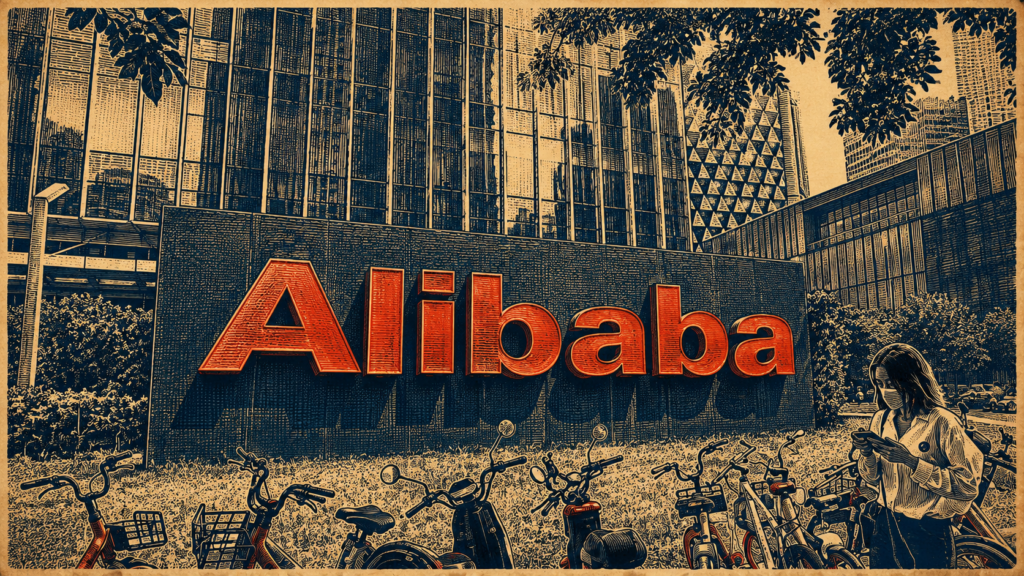
Alibaba Settles $600M Illegal Drug Sales Probe
Chinese e-commerce giant Alibaba and its U.S.-based payment processor, AUS Merchant Services, have agreed to pay $600 million to resolve a U.S. Department of Justice investigation into allegations that they failed to prevent the sale and importation of illegal pharmaceuticals, controlled substances, regulated chemicals, and pill-making equipment through Alibaba’s online marketplaces. The settlement, announced on July 1, resolves a years-long federal investigation without criminal prosecution after both companies entered into non-prosecution agreements and accepted responsibility for compliance failures.
According to the Justice Department, the investigation found that between 2016 and 2024, approximately 80,000 unlawful transactions involving prohibited products were completed through Alibaba’s platforms, including Alibaba.com. Federal authorities said the transactions had a combined merchandise value exceeding $200 million and involved illegal pharmaceuticals, precursor chemicals, and equipment capable of manufacturing counterfeit drugs.
Prosecutors alleged that Alibaba failed to maintain adequate controls to detect and prevent merchants from selling prohibited products to customers in the United States. Investigators said company employees had internally raised concerns over several years that existing compliance measures were insufficient to stop illegal listings and transactions. Despite those warnings, authorities claimed that unlawful products continued to be advertised and sold through Alibaba’s online marketplaces.
The investigation also examined the role of AUS Merchant Services, Alibaba’s U.S.-based payment processor. According to the Justice Department, AUS failed to maintain an effective anti-money laundering (AML) compliance program and transaction-monitoring system capable of identifying merchants involved in illegal sales. Federal officials said some sellers continued using AUS payment services even after concerns about prohibited products had been identified.
As part of the settlement, Alibaba agreed to forfeit $200 million and pay an additional $125 million criminal monetary penalty. AUS Merchant Services agreed to forfeit $190 million and pay an $85 million criminal penalty, bringing the combined financial resolution to $600 million. The companies also committed to strengthening their compliance programs, improving oversight of third-party sellers, and cooperating with any ongoing or future government investigations related to the conduct.
The Justice Department said the investigation included more than 40 undercover purchases conducted by federal law enforcement agents, who successfully obtained illegal pharmaceuticals and counterfeit drug-manufacturing equipment through Alibaba’s platforms. Officials said the undercover operations demonstrated significant weaknesses in the companies’ compliance systems and highlighted how prohibited products were able to reach U.S. buyers despite existing marketplace policies.

Assistant Attorney General Brett Shumate said the resolution reflects the department’s commitment to preventing online marketplaces and digital payment platforms from facilitating the distribution of dangerous and unlawful pharmaceutical products. Federal officials emphasized that e-commerce companies operating globally have a responsibility to implement effective safeguards that prevent illegal goods from reaching consumers through their platforms.
Alibaba said in a statement that the settlement represents the conclusion of a thorough regulatory review conducted with the company’s full cooperation. The company stated that it remains committed to maintaining strong compliance standards and preventing the sale of non-compliant products through its marketplaces. Alibaba also said it has already taken steps to improve internal controls, strengthen seller screening, and enhance monitoring systems designed to identify prohibited listings.
The case underscores increasing regulatory scrutiny of major global e-commerce platforms and payment processors that facilitate cross-border trade. U.S. authorities have expanded enforcement efforts against online marketplaces that allegedly allow counterfeit goods, illegal pharmaceuticals, and other prohibited products to enter the country. Regulators have also focused on whether payment processors maintain adequate anti-money laundering programs capable of detecting suspicious commercial activity.
Legal experts say the settlement sends a strong message that technology companies may face substantial financial penalties if they fail to police third-party sellers using their platforms. The agreement also demonstrates that federal prosecutors are increasingly willing to pursue corporate accountability through non-prosecution agreements requiring significant monetary penalties and compliance reforms rather than traditional criminal indictments.
Although the settlement resolves the government’s investigation, Alibaba and AUS Merchant Services will remain subject to ongoing compliance obligations under the terms of their agreements. The companies are expected to implement enhanced monitoring systems and cooperate with federal authorities as part of continued efforts to prevent illegal products from being sold through their digital marketplaces.

⚖️ Key Legal Outcome
- Alibaba and AUS Merchant Services agreed to pay $600 million to resolve a DOJ investigation.
- Both companies entered into non-prosecution agreements and accepted responsibility for compliance failures.
- Authorities alleged the companies failed to prevent about 80,000 illegal product sales between 2016 and 2024.
- Alibaba and AUS must strengthen compliance, monitoring, and anti-money laundering programs.
- The DOJ investigation involved more than 40 undercover purchases of illegal products.
📌 Why It Matters
- Highlights growing federal scrutiny of global e-commerce platforms.
- Reinforces compliance expectations for online marketplaces and payment processors.
- Demonstrates the DOJ’s focus on illegal pharmaceutical distribution.
- Shows the financial risks companies face for inadequate compliance systems.
- May encourage stronger monitoring of third-party sellers across the e-commerce industry.
