
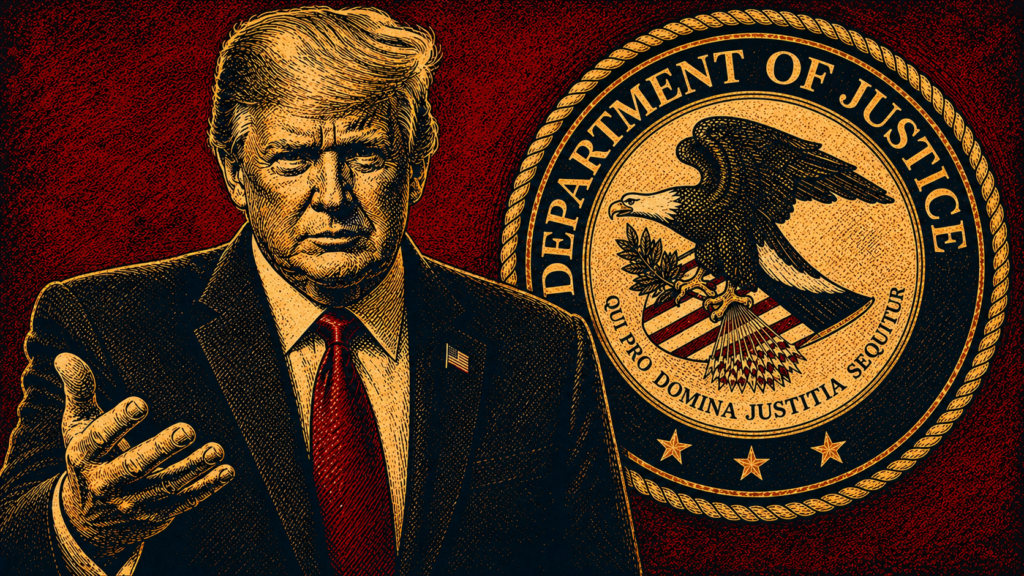
Trump Administration Faces Growing Conflict With Federal Judges
The U.S. Justice Department has filed a judicial misconduct complaint against nearly all of the active federal judges in Minnesota, escalating an already significant conflict between the federal government and the judiciary over immigration enforcement. Attorney General Todd Blanche announced the complaint on September 30, 2026, saying the judges violated judicial ethics by speaking publicly about the administration’s immigration crackdown and cases connected to it. The complaint was filed with the U.S. Court of Appeals for the Eighth Circuit, which oversees the federal courts in Minnesota.
The dispute stems from Operation Metro Surge, a major federal immigration-enforcement operation conducted in Minnesota during the winter. The enforcement campaign generated a substantial increase in federal court activity as detained immigrants filed habeas petitions and other legal challenges. The resulting caseload placed considerable pressure on the federal judiciary and became the source of repeated disputes between judges and federal immigration authorities.
Several Minnesota federal judges recently spoke to reporters about what they experienced during the enforcement surge. The most prominent was Judge Patrick Schiltz, who gave a lengthy interview discussing the effect of the immigration operation on the federal courts. Other judges also spoke publicly about the strain placed on the judiciary and their concerns about the government’s compliance with court orders.
The Justice Department’s complaint argues that the judges crossed ethical boundaries by discussing cases that remained pending before them or were subject to appellate review. It also argues that some of their statements amounted to political or policy commentary prohibited by the federal judicial code of conduct. The department characterized the conduct as particularly serious and requested that the judges be investigated for judicial misconduct.
Blanche has also requested that the judges recuse themselves from cases involving the Department of Homeland Security. The department’s position is that the judges’ public comments have created an appearance of bias against federal immigration authorities and therefore raise questions about whether they can remain impartial when presiding over DHS-related cases.
The complaint specifically names Schiltz and Judge John Tunheim, while also identifying other judges anonymously. Federal court records indicate that the complaint concerns several judges on the District of Minnesota bench. The underlying reporting that prompted the complaint involved seven judges, including six judges who held active status in Minnesota during the immigration surge.
One of the central issues is whether federal judges are prohibited from publicly discussing matters involving the rule of law and judicial independence. The Justice Department says the judges’ comments went beyond permissible judicial commentary because they addressed pending cases and criticized government policies and conduct.
The judges’ side has offered a different legal interpretation. Schiltz said that he acted within the ethical rules governing federal judges. He pointed to a February 2026 advisory opinion from the Committee on Codes of Conduct indicating that federal judges may speak and write about core judicial matters, including the rule of law and judicial independence. His position is that his public comments fell within that protection.
This creates an important legal question that has not yet been resolved by the misconduct proceeding: where is the line between prohibited public commentary by a sitting judge and permissible advocacy for judicial independence? Federal judges are generally expected to avoid public comments that could create an appearance of bias or affect pending proceedings. At the same time, judicial ethics guidance recognizes that judges may have a legitimate role in discussing matters concerning the functioning and independence of the judiciary.
The underlying immigration dispute is also important. During Operation Metro Surge, Minnesota’s federal courts received large numbers of petitions from detained immigrants challenging their detention. Judge Schiltz previously issued orders criticizing federal immigration authorities for failing to comply with court directives. In one January order, he identified 96 court orders in 74 cases that he said had been violated by Immigration and Customs Enforcement. He also stated that the agency was not above the law.
Those earlier courtroom disputes provide the background for the judges’ subsequent comments to the media. The judges reportedly expressed concerns about the government’s ability to comply with court orders and the effect of staffing limitations on the government’s response to the large number of immigration cases. The Justice Department disputes the characterization of its conduct and says the judges’ public statements demonstrated bias.

The complaint therefore goes beyond a disagreement about individual immigration cases. It raises broader questions about judicial independence, executive-branch compliance with court orders, judicial ethics and the separation of powers. The proceeding will require consideration of whether the judges’ comments violated applicable ethical standards and, if so, what consequences should follow.
The case will be handled through the federal judicial misconduct process rather than an ordinary criminal prosecution. The Eighth Circuit’s judicial-complaint procedures govern misconduct allegations involving federal judges within its jurisdiction, including judges serving on the District of Minnesota.
Importantly, the complaint itself is an allegation, not a finding that the judges committed misconduct. The judges have an opportunity to respond, and the judicial-conduct process must determine whether the allegations warrant further action. The complaint does not itself remove the judges from their positions or automatically disqualify them from cases.
The recusal request is a separate but potentially significant part of the dispute. If the judges were required to step aside from DHS-related matters, cases involving federal immigration enforcement in Minnesota could be reassigned. However, the filing of the complaint does not itself establish that recusal is required.
The controversy also illustrates the unusually tense relationship between the Trump administration and portions of the federal judiciary. Federal judges have issued rulings affecting administration policies, particularly in immigration matters, while administration officials have publicly criticized some judges and questioned their decisions. The Minnesota complaint represents another formal step in that broader institutional conflict.
For the judiciary, the proceeding could have implications for how judges communicate publicly about court administration and government compliance with judicial orders. For the Justice Department, it represents an effort to challenge what it considers improper judicial conduct and to seek recusal where it believes impartiality is in question.
For now, there is no final finding of judicial misconduct. The complaint has initiated a process that will determine whether the allegations against the Minnesota judges have merit. The outcome could help clarify how federal judicial ethics rules apply when judges publicly discuss government conduct, pending litigation and the independence of the courts.

Key Legal Outcome
- The Justice Department filed a formal judicial misconduct complaint concerning federal judges in Minnesota over their public comments about immigration enforcement and related court proceedings.
- The complaint was filed with the Eighth Circuit, which has jurisdiction over judicial-conduct matters involving Minnesota’s federal judges.
- The Justice Department is seeking recusal from DHS-related cases for the judges who publicly discussed the immigration cases.
- The complaint specifically names Judges Patrick Schiltz and John Tunheim, while also referring to additional judges anonymously.
- No final misconduct determination has been made: the allegations remain subject to the federal judicial-conduct process, while the judges maintain that their comments were ethically permissible.
Why It Matters
- Judicial independence: The dispute directly concerns how judges can defend judicial independence and discuss government compliance with court orders.
- Judicial ethics: The proceeding could clarify the boundaries between permissible public commentary and prohibited statements about pending cases.
- Immigration litigation: The controversy stems from a major increase in immigration-related federal cases and disputes over enforcement practices.
- Separation of powers: The case highlights tensions between the executive branch and federal courts over the enforcement of judicial orders.
- Future court proceedings: Any decision on misconduct or recusal could affect how DHS-related cases are handled in Minnesota and influence future disputes involving judicial ethics.
