
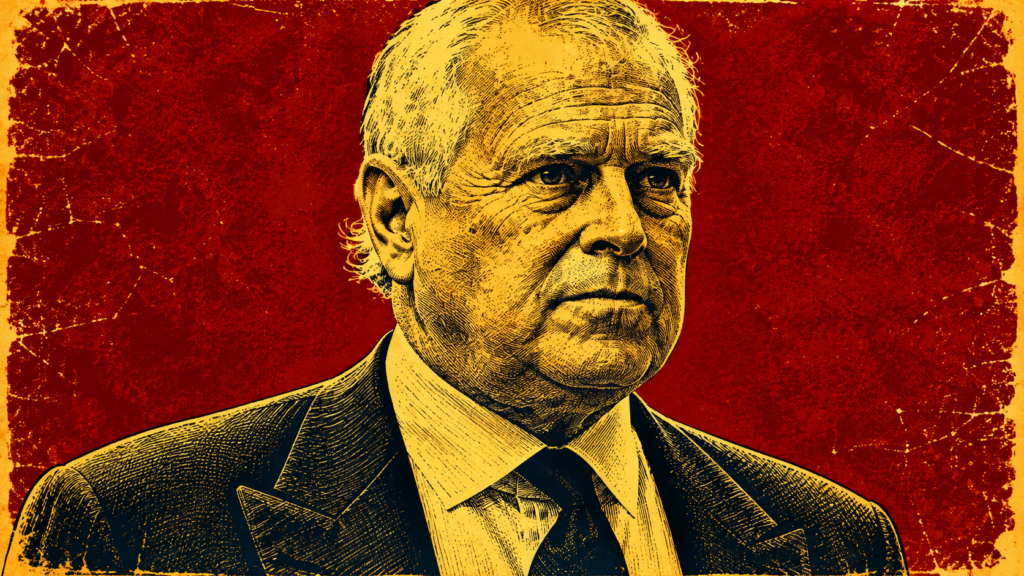
Ex-Prince Andrew Faces Historic Court Summons
Andrew Mountbatten-Windsor, formerly known as Prince Andrew, has been called to testify in a high-profile civil fraud case at London’s High Court, marking what is believed to be the first time in more than 150 years that a member of the British royal family has received a witness summons. The case involves allegations that a Turkish businessman’s financial adviser misappropriated millions of pounds belonging to a wealthy Turkish woman. Andrew’s testimony could help clarify the circumstances surrounding a disputed payment he received in 2019.
The witness summons follows a decision by a High Court judge allowing Andrew to be called as a witness in the proceedings. The request was made in connection with payments allegedly arranged by Selman Turk, a Turkish businessman and former adviser to the claimant, Nebahat Evyap Isbilen. The court is examining allegations that Turk misappropriated tens of millions of pounds belonging to Isbilen, who entrusted him with managing her financial affairs.
At the center of the dispute is a payment of £750,000, worth approximately $1 million, that was transferred to Andrew in 2019. Isbilen alleges that Turk misled her about the purpose of the transaction and arranged the payment without properly explaining its intended destination. She maintains that the transfer was part of a broader pattern of financial misconduct involving money that she had entrusted to her former adviser.
Turk has offered a different explanation for the payment. He claims that Isbilen authorized the transfer because she hoped Andrew could use his royal connections to assist her husband, who has been imprisoned in Turkey since 2015. Isbilen believes her husband was politically persecuted. The competing accounts make Andrew’s knowledge of the payment and the circumstances surrounding its transfer potentially relevant to the court’s examination of the financial arrangements.
Andrew repaid the £750,000 in 2021 and is not a party to the civil lawsuit. His involvement is limited to his role as a potential witness concerning the payment and related events. The fact that he received the money does not establish that he participated in any alleged fraud, and the case does not accuse him of misappropriating Isbilen’s funds.

Although the court approved the request for his testimony, Andrew may still apply to have the witness summons set aside. This means his appearance is not guaranteed. If the summons remains in force, he could be required to provide evidence about the transaction and answer questions relevant to the parties’ competing explanations. The proceedings could place a former senior member of the royal family under public scrutiny in an unusually direct way.
The case has attracted additional attention because of the historical rarity of the summons. Lawyers representing Isbilen said they believed it would be the first time since 1870 that a member of the royal family had been subject to such a witness summons. At that time, the future King Edward VII, then Prince of Wales, was called to testify in a divorce case brought by Charles Mordaunt, a baronet and member of Parliament.
Edward VII accepted the summons and denied having an improper relationship with Mordaunt’s wife, Harriet Mordaunt. The comparison highlights how unusual it is for a royal figure to be compelled to provide evidence in ordinary civil proceedings. Andrew’s situation is not identical, but the historical precedent has added another dimension to the current case.
Andrew is also facing separate scrutiny over his past relationship with convicted sex offender Jeffrey Epstein. British police have been examining his connections to Epstein following the release of millions of pages of documents from the U.S. Department of Justice investigation. Those inquiries are separate from the Turkish businessman’s civil fraud case and should not be confused with the disputed £750,000 payment.
King Charles III stripped Andrew of his princely title in late 2025 as the royal family faced renewed criticism over his association with Epstein. Andrew has since been known as Andrew Mountbatten-Windsor. The loss of his title did not remove him from public scrutiny, and the continuing legal and police developments have kept his activities and financial relationships in the news.
The civil fraud proceedings will focus on whether Turk improperly handled Isbilen’s money and whether the disputed transfers were authorized. Andrew’s potential testimony may help establish what he knew about the £750,000 payment and how it was presented to him. However, the court must still assess the evidence from all parties before determining whether the allegations of financial misconduct are proven.
The summons represents an unusual moment in modern British legal history, placing a former royal figure within the reach of a civil court’s witness procedures. It also illustrates how financial transactions involving prominent individuals can become relevant to broader disputes over alleged misappropriation and accountability. Whether Andrew ultimately testifies will depend on the outcome of any challenge to the summons, while the underlying allegations against Turk remain matters for the court to determine.

Key Legal Outcomes
- Andrew Mountbatten-Windsor received a witness summons in a civil fraud case before London’s High Court.
- The summons concerns a disputed £750,000 payment made to Andrew in 2019 through arrangements involving businessman Selman Turk.
- Andrew repaid the money in 2021 and is not a defendant or party to the civil fraud lawsuit.
- Andrew may apply to have the witness summons set aside, meaning his testimony is not yet guaranteed.
- The lawsuit centers on allegations by Nebahat Evyap Isbilen that Turk misappropriated tens of millions of pounds from her funds; those allegations remain subject to the court’s determination.
Why It Matters
- Royal accountability: The case highlights that former members of the royal family may be called to provide evidence in ordinary civil proceedings.
- Financial transparency: The disputed payment raises questions about how substantial transfers involving prominent public figures are arranged and documented.
- Witness obligations: The proceedings demonstrate the role of witness summonses in obtaining evidence relevant to civil litigation.
- International financial disputes: The lawsuit involves alleged financial misconduct, a Turkish claimant, and transactions connected to a prominent British public figure.
- Historical significance: The reported comparison with the 1870 summons involving the future Edward VII underscores the rarity of the development.
