
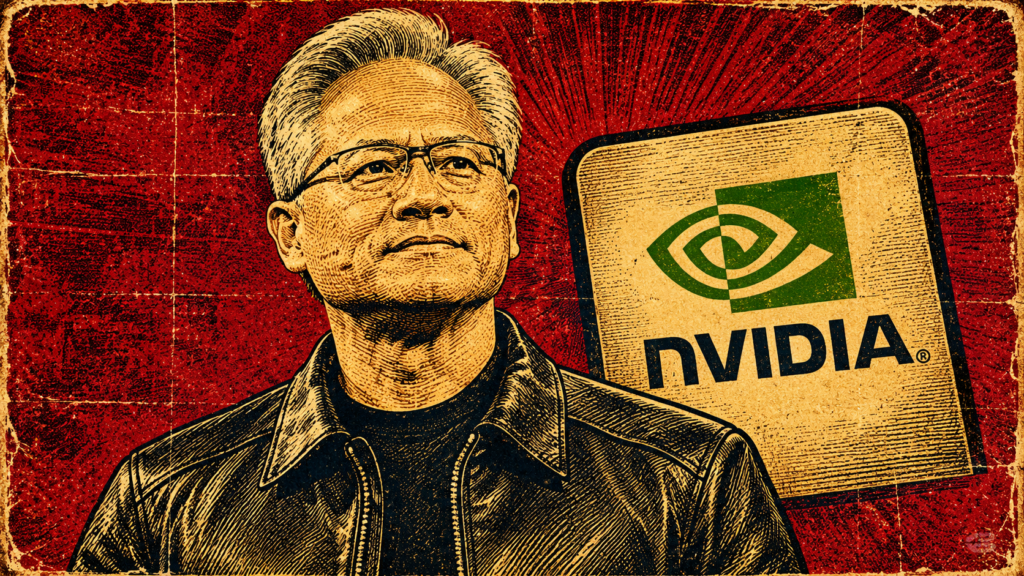
Huang Hires Paul Weiss Amid Nvidia Crisis
Former Nvidia chief executive Jensen Huang has turned to one of America’s most prominent corporate law firms as he faces mounting scrutiny following his resignation from the company. Huang hired Paul, Weiss, Rifkind, Wharton & Garrison, a New York-based firm known for handling high-profile corporate disputes, regulatory investigations, and reputational crises. The decision comes during a turbulent period for the technology executive, whose departure has raised questions about corporate leadership, national security, and the relationship between major technology companies and the US government.
Huang resigned on November 12, 2026, after reports emerged about extramarital relationships involving several women, including an Nvidia employee and Alice Huang, a Chinese businesswoman whose alleged connections to Chinese intelligence have attracted attention from US authorities. Reports have also described a relationship with another Nvidia employee. The controversy intensified as questions emerged about whether Huang’s personal relationships could have created vulnerabilities involving sensitive business information or national security. Huang’s resignation followed more than three decades leading the company he co-founded.
The allegations involving Alice Huang have become particularly sensitive because of her reported business connections. She was previously an executive at Megaspeed, a Singapore-based company that had a business relationship with Nvidia as a cloud partner. US intelligence officials reportedly suspected that she had connections to Chinese intelligence, raising concerns about possible access to sensitive technology and commercial information. However, the US Justice Department has not concluded that she was a Chinese spy. Attorney General Todd Blanche confirmed that the FBI was investigating the reports, while Chinese authorities have denied the espionage allegations. The distinction remains important: suspicion and an ongoing investigation do not establish that espionage occurred.
Paul Weiss is no ordinary legal representative. The firm has more than 1,500 lawyers and has built a reputation advising major corporations, executives, and institutions facing complex legal and public-relations problems. Its lawyers include former senior government officials with experience in federal investigations and enforcement matters. According to reporting, partners Melinda Haag and Walter Brown are working with Huang, although the firm and representatives for the former CEO have not publicly explained the precise scope of the engagement. The firm has also not confirmed which specific legal matters it will handle.
The choice of Paul Weiss has attracted attention because of its own controversial history with the Trump administration. In March 2025, Trump issued an executive order targeting the firm, suspending security clearances for its lawyers and restricting their access to federal government buildings and officials. The administration cited concerns involving the firm’s internal diversity policies and its association with a former prosecutor who had investigated Trump. The order placed the firm in a difficult position because restrictions on government access could affect its ability to represent clients and conduct certain legal work.
Paul Weiss subsequently reached an agreement with the White House to resolve the dispute. As part of the arrangement, the firm pledged to provide $40 million in pro bono legal services for projects mutually agreed upon with the administration. The agreement helped secure the reversal of the restrictions imposed against the firm, but it generated criticism from members of the legal profession and Democratic figures. Critics questioned whether the arrangement represented an appropriate response to government pressure and whether law firms should make financial commitments to projects approved by the administration to protect their access to federal institutions.
The agreement also became part of a wider debate about the independence of the legal profession. Several other major law firms reached similar arrangements with the Trump administration after facing executive orders or other forms of pressure. Supporters of Paul Weiss’s decision argued that the firm had to protect its employees and preserve its ability to operate. Opponents viewed the agreement as a troubling precedent that could encourage political pressure on private legal institutions. The controversy demonstrated how disputes between the government and powerful law firms can extend beyond individual clients, raising broader questions about institutional independence and the rule of law.

The firm also experienced a leadership controversy earlier in 2026. Its longtime chairman, Brad Karp, resigned from the leadership position in February after emails surfaced showing extensive personal and business communications with Jeffrey Epstein, the late financier and convicted sex offender. The revelations created reputational problems for the firm and intensified scrutiny of its leadership. Karp said his departure was intended to prevent the controversy from becoming a distraction. He has not been accused of wrongdoing in connection with Epstein’s crimes. His resignation nevertheless added another difficult chapter to the firm’s recent history.
Huang’s legal situation is developing alongside separate investigations and corporate reviews. Nvidia’s board has hired Wachtell, Lipton, Rosen & Katz to conduct an independent investigation into matters surrounding the controversy. The review is being led by Joon Kim, a former senior federal prosecutor in Manhattan. This corporate investigation is distinct from Huang’s personal legal representation by Paul Weiss. The company’s decision to retain separate counsel allows its board to examine the issues affecting Nvidia independently of the interests of its former chief executive. The investigation’s scope and eventual findings could have implications for corporate governance and oversight.
The controversy has also attracted congressional attention. Republican leaders of several House committees, including the Foreign Affairs Committee, have requested a closed-door interview with Huang next month. Lawmakers are interested in questions surrounding the reported relationships, potential national security concerns, and Nvidia’s business connections. Huang’s departure does not automatically end congressional scrutiny, particularly because the company operates in an industry central to US economic and technological competition with China. The outcome of any interview or investigation could influence future discussions about safeguards involving advanced artificial intelligence chips and sensitive commercial partnerships.
Huang’s decision to hire Paul Weiss therefore places the firm at the center of another high-profile corporate crisis while reviving questions about its own relationship with the Trump administration. For Huang, the engagement comes as he faces potential legal, congressional, and reputational challenges following his exit from Nvidia. For the company, the separate investigation by Wachtell represents an effort to address governance concerns and establish what happened. Neither the allegations against Huang nor the suspicions involving Alice Huang should be treated as proven criminal conduct without further findings. The coming investigations will determine whether the controversy produces legal consequences, corporate reforms, or broader changes in how technology companies manage national security risks.

Key Legal Outcomes
- Huang’s resignation does not itself establish criminal wrongdoing or resolve any allegations involving him.
- The FBI is investigating reports concerning Alice Huang, but the Justice Department has not determined that she was a Chinese spy.
- Paul Weiss’s $40 million pro bono commitment formed part of its agreement with the Trump administration to resolve restrictions imposed against the firm.
- Nvidia’s board has retained Wachtell to conduct an independent investigation separate from Huang’s personal legal representation.
- House committee leaders have requested a closed-door interview with Huang, but the request is not a criminal charge or a finding of liability.
Why It Matters
- The controversy highlights the national security risks that can arise when major technology companies have business relationships connected to foreign intelligence concerns.
- Nvidia’s leadership crisis could affect confidence in one of the world’s most influential artificial intelligence companies.
- The Paul Weiss agreement raises questions about political pressure, government access, and the independence of private law firms.
- Separate legal representation and corporate investigations illustrate the importance of distinguishing an executive’s personal interests from a company’s responsibilities.
- Congressional scrutiny could influence future debates over advanced chip exports, technology oversight, and US-China competition.
