
Trump paid El Salvador $5M to jail deportees – with conditions on abortion and DEI but not preventing torture
Recent documents and reporting reveal that the Trump administration arranged for about US$4.7 to $5 million in payments to El Salvador under a bilateral deal, whereby El Salvador would accept up to 300 deported migrants (many Venezuelan) from the U.S. to be held in detention. These migrants were transferred under conditions that came with restrictive stipulations: the funds provided were prohibited from being used for legal advice, health services related to reproductive rights, or diversity, equity, and inclusion programs.
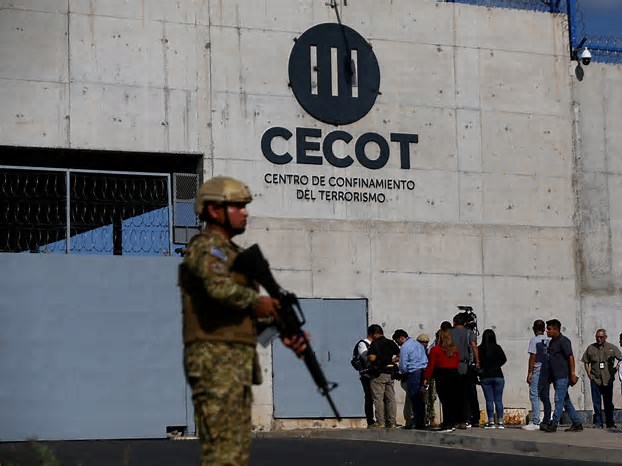
One major concern raised by rights-groups and litigation is that some of the detained deportees were held in El Salvador’s high-security terrorism confinement center (CECOT) — a facility with documented human rights concerns and reports of harsh conditions. The agreement reportedly ignored or failed to safeguard against abuses such as indefinite confinement or exposure to risk of torture or mistreatment.

An especially visible case is that of Kilmar Abrego Garcia, a Salvadoran man who was apparently wrongfully deported from Maryland, despite having legal authorization to reside in the U.S. At least one senator has alleged that El Salvador is detaining Abrego Garcia because of U.S. payments, under this agreement, rather than for independent legal grounds. U.S. courts have ordered his return, but enforcement has been delayed.
Civil rights groups have filed lawsuits and are challenging aspects of the agreement, especially its lack of transparency, its restrictive conditions, and its potential violation of due process and human rights norms. The controversy has also sparked political debate in the U.S., with critics arguing that paying another country to detain migrants transfers risk and responsibility in ways that might circumvent U.S. legal requirements around rights of detainees.

Key Legal Outcomes
-
Due process challenges: The case of Abrego Garcia has resulted in legal actions arguing that his deportation and detention lacked proper legal justification and violated his constitutional rights. Wikipedia+2Reuters+2
-
Lawsuits for transparency & conditions: Civil rights organizations have initiated litigation to force disclosure of the full agreement, and to challenge restrictions (e.g., barring legal aid, health or abortion services) in the use of funds. El País+1
-
Judicial orders to return wrongly deported individuals: Courts have ordered the repatriation or return of certain people wrongly deported under this scheme. Wikipedia+1
-
Scrutiny of bilateral agreements under U.S. law and foreign policy law: The deal raises questions about how much U.S. executive authority can delegate detention of deportees to foreign governments, especially where human rights concerns exist. El País+1
-
Potential policy and legislative responses: Because of the controversy, there may be future legal or policy reforms to oversight of such agreements—e.g. ensuring detainee rights, limiting secretive clauses, or requiring congressional notice or approval. El País+1
Why It Matters
-
It tests the limits of U.S. legal responsibility over the treatment of deportees when they are held abroad under U.S.-funded arrangements.
-
Might set precedent for how immigration enforcement cooperates with foreign governments, especially when human rights compliance is in question.
-
Raises serious human rights & humanitarian law issues: detainee treatment, conditions of confinement, access to legal representation.
-
The deal is controversial politically: it feeds into debates over U.S. immigration policy, executive power, oversight, and accountability.
-
Could influence how future agreements are structured, including transparency, conditions, and checks to prevent abuse.
Publication Details & Source
- Publication Date: September 10, 2025 (as reported by Yahoo News UK) Yahoo News
- Live Link: Yahoo News UK — “Trump paid El Salvador $5M to jail deportees – with conditions on abortion and DEI but not preventing torture” Yahoo News
