
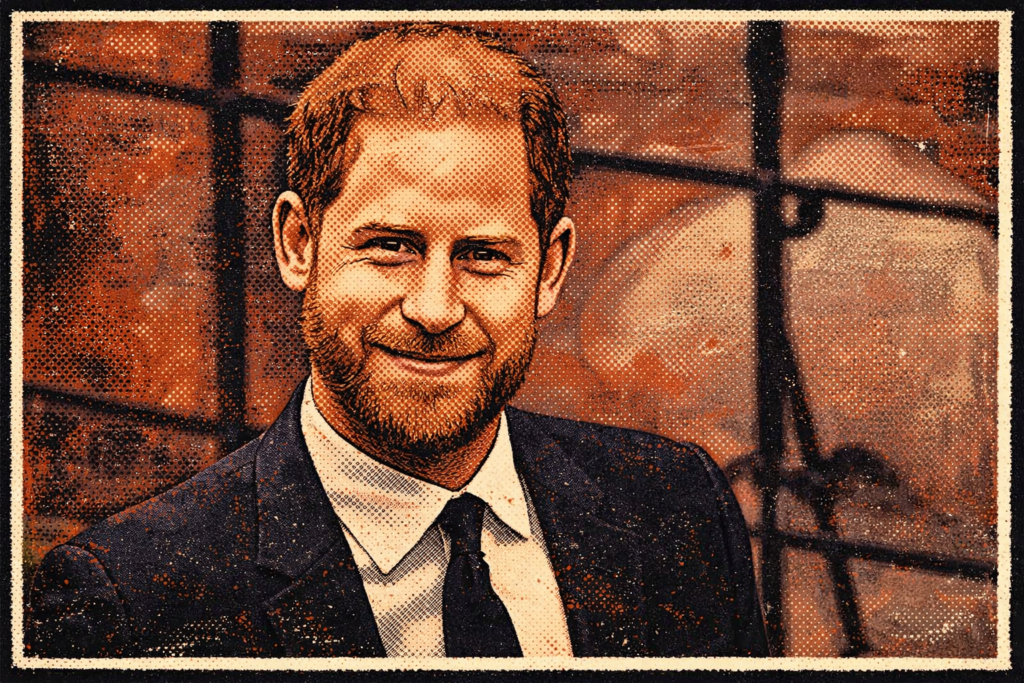
Prince Harry Arrives at London Court as Privacy Case Against Daily Mail Publisher Kicks Off
Prince Harry, the Duke of Sussex, arrived at High Court in London on Monday, January 19, 2026, to begin a major privacy lawsuit against British tabloid publisher Associated Newspapers Limited (ANL) — best known for publishing the Daily Mail, Mail on Sunday, and MailOnline. This legal action represents the latest and possibly final chapter in Harry’s longstanding legal campaign against aspects of the British press whom he accuses of unethical and unlawful reporting tactics over many years.
The day marked the opening of a high-profile civil trial expected to last about nine weeks, in which Harry is one of seven high-profile claimants pursuing damages and accountability for alleged unlawful acts by ANL. Joining him in this lawsuit are celebrity and public figures including Sir Elton John and his husband David Furnish, actresses Elizabeth Hurley and Sadie Frost, Baroness Doreen Lawrence, and former politician Sir Simon Hughes, all of whom allege breaches of privacy related to ANL journalists and agents.
The lawsuit focuses on claims that the newspaper group engaged in decades of unlawful information-gathering practices that violated privacy rights. Allegations include intercepting voicemails, placing listening devices (bugging) in vehicles or offices, obtaining medical, financial, and private travel records through deception (“blagging”), and using private investigators to illicitly obtain information that was then used for tabloid stories. Rejecting the allegations, ANL has described the claims as “preposterous smears” and maintains that the reporting was lawful and justified.

Prince Harry personally entered the Royal Courts of Justice — a historic Gothic-style building in central London — and was photographed waving to onlookers and media gathered outside. He traveled from his home in Montecito, California, where he resides with his family, and is expected to spend most of the coming weeks attending court proceedings.
During opening arguments, the claimants’ legal team indicated that the case will present evidence that ANL titles engaged in a “clear, systematic and sustained use of unlawful information gathering” over the course of decades. Lawyers for Harry and the other plaintiffs told the court that the defendant’s practices went beyond ordinary journalistic activity and involved deliberate breaches of privacy law. Harry’s legal counsel, including barrister David Sherborne, outlined how some stories published by ANL relied on information that could only have been obtained through intrusive or deceptive methods.
Harry himself is expected to give evidence later in the week, with court filings indicating that he will testify about how these alleged practices affected his personal and family life. Among the stories at issue are publications from the early 2000s that Harry claims were based on information gathered illegally, including details about private relationships, family matters, and personal struggles. These stories span many years but focus on a period when Harry was a younger adult, often under intense media scrutiny.

This case is not Harry’s first lawsuit against British media groups. In 2023, he successfully sued Mirror Group Newspapers, winning damages after proving phone hacking by that publisher. His earlier case against News Group Newspapers — publisher of The Sun and News of the World — resulted in a settlement in 2024 with significant payouts after admissions of wrongdoing, including illegal tapping and surveillance. The current lawsuit against ANL represents what many legal observers call the “final unresolved domestic press claim” in his effort to hold major UK tabloids accountable.
Lawyers for ANL have said they intend to present witnesses — including senior editorial figures — to explain how contested articles were sourced legitimately. They have also pushed back against characterizations of unlawful activity, emphasizing that many investigative methods were standard newsroom practices of the time and that claims should be evaluated carefully under civil law standards.
The proceedings have attracted intense global media attention given Prince Harry’s dual identity as both a member of the British royal family and a vocal critic of tabloid conduct. The case raises complex legal questions about press freedom, privacy rights, and journalistic methods in the digital age — especially in the context of celebrity and public figure reporting.
Beyond the courtroom, the trial also reflects broader tensions between Harry and parts of the British establishment, including the press and, by extension, elements of the British public. Although not scheduled to meet his father, King Charles III, or his brother, Prince William, during this visit, the case continues to influence public perceptions of the royal family and the role of media scrutiny in modern society.
Why It Matters
-
Press Accountability: The trial could set precedents on how British tabloids must conduct newsgathering, impacting media practices and privacy law enforcement.
-
Privacy vs. Press Freedom: It highlights a high-profile clash between individual privacy rights and journalistic freedom in democratic societies.
-
Legal Strategy for Public Figures: The case demonstrates avenues for celebrities and public figures to pursue civil remedies for alleged unlawful press conduct.
-
Royal Reputation: The proceedings influence public perception of the British royal family and raise questions about media influence on personal narratives.
-
Long-Term Impact: A successful claim could result in substantial damages and influence future litigation against media conglomerates globally.
⚖️ Key Legal Outcome
-
Formal Trial Begins: The privacy claim against Associated Newspapers Limited is now in session at the UK High Court.
-
Multi-Party Suit: Harry is one of seven plaintiffs pursuing alleged privacy violations.
-
Allegations of Illegal Information Gathering: The suit alleges unlawful methods such as phone hacking, voicemail interception, and “blagging.”
-
Nine-Week Duration: The case is scheduled to run approximately nine weeks, with Harry expected to testify.
-
Defendant Denials: ANL continues to deny all charges and asserts that its reporting practices were lawful.
