
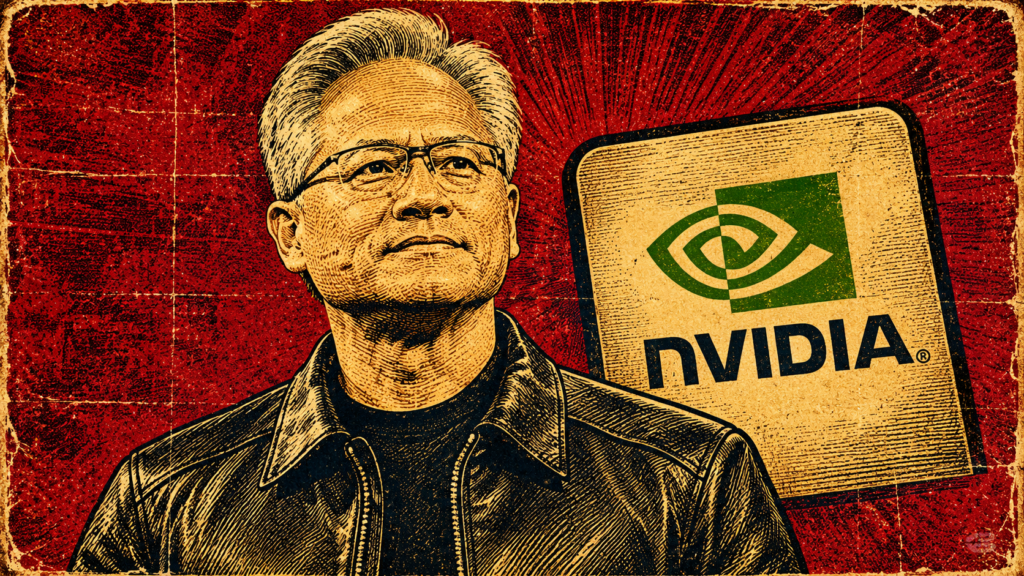
Nvidia Investigates CEO Amid Chinese Spy Allegations
Nvidia has hired the prominent New York law firm Wachtell, Lipton, Rosen & Katz to conduct an investigation into its chief executive Jensen Huang’s relationship with a woman suspected by US authorities of having connections to Chinese intelligence. The decision comes amid growing concerns about possible national security implications, corporate security, and the company’s business relationships. The controversy has placed one of the world’s most influential technology companies under intense scrutiny at a time when its computer chips are central to the global artificial intelligence industry.
Huang, Nvidia’s co-founder and longtime chief executive, acknowledged having a romantic relationship outside his marriage. The woman involved is Alice Huang, also known as Huang Le, a former executive at Megaspeed, a Singapore-based technology company that has been a customer of Nvidia. She is not related to Jensen Huang. US authorities reportedly suspect that she had ties to China’s intelligence services, although the allegations have not been publicly established through a criminal conviction.
Nvidia announced that attorney Joon Kim would lead what the company described as a thorough and independent investigation. Kim previously served as a US attorney for the Southern District of New York and has experience handling fraud and other criminal investigations. His appointment places an experienced former federal prosecutor at the center of an inquiry that could have significant consequences for the company’s leadership, reputation, and corporate governance.
The company’s investigation is separate from an inquiry being conducted by the Federal Bureau of Investigation. Federal authorities are examining allegations involving Alice Huang and possible foreign intelligence activity. The two investigations have different purposes: Nvidia’s review is focused on the company’s interests and potential exposure, while the federal inquiry concerns possible national security and intelligence-related issues. Neither investigation, by itself, establishes that confidential information was compromised.
The controversy has drawn attention because of Megaspeed’s commercial relationship with Nvidia. The Singapore-based company has purchased substantial quantities of Nvidia’s advanced computer chips and has faced scrutiny over suspicions that equipment may have been diverted to Chinese companies in violation of US export restrictions. Nvidia has maintained that it investigated concerns about possible chip diversion and found no evidence supporting the allegations. The company has also said the US government did not inform it that Megaspeed posed an intelligence threat.
The potential national security implications extend beyond Huang’s personal relationship. Nvidia manufactures processors that are essential to developing and operating advanced artificial intelligence systems, making the company strategically important to the United States and other countries. If sensitive business information, technology, or export-related details were exposed to a foreign intelligence operation, the consequences could reach beyond the company and affect broader national security interests. However, Nvidia’s board previously stated that it had no reason to believe company secrets or national security had been compromised.

The controversy has also attracted attention from US lawmakers. Leaders of the House Foreign Affairs Committee requested that Huang appear for a closed-door briefing about his interactions with Alice Huang and the company’s security procedures. Committee Chairman Brian Mast indicated that lawmakers could use subpoena authority to compel his appearance if necessary. The request reflects congressional concern about foreign intelligence operations, access to sensitive American technology, and the effectiveness of safeguards protecting the semiconductor industry.
The allegations have also created pressure on Nvidia’s public image and financial performance. Huang has long been closely associated with the company’s success and has become one of the most recognizable figures in the artificial intelligence industry. Reports surrounding his relationship and the suspected espionage concerns contributed to a sharp decline in Nvidia’s market value, with more than $500 billion reportedly wiped from its stock market capitalization over several trading sessions. The market reaction illustrates how questions involving executive conduct and national security can affect investor confidence in a major technology company.
Chinese officials have rejected the espionage allegations, describing them as an attempt to damage China’s reputation. US President Donald Trump also commented on the controversy, saying Huang had told him he did not know the woman was allegedly involved in spying and that he believed the executive. These statements reflect the diplomatic and political sensitivity surrounding the case, particularly as Washington and Beijing continue to compete over advanced semiconductors, artificial intelligence, and access to critical technology.
The situation escalated further on November 12, when Huang resigned as Nvidia’s chief executive. The company appointed its chief financial officer, Colette Kress, as interim chief executive while the board considers its next steps. His departure marks a major change for a company whose identity and growth have been closely tied to its co-founder. The board’s independent investigation and the separate federal inquiry remain important to understanding the full implications of the controversy. Huang’s resignation does not, by itself, establish that he committed a crime or that Nvidia’s confidential information was compromised.
The case raises significant questions about corporate governance, executive accountability, foreign intelligence risks, and the protection of strategically important technology. Nvidia’s investigation could help determine whether its internal controls were adequate and whether the company needs to strengthen its procedures for handling sensitive relationships and customer interactions. Meanwhile, federal authorities and congressional lawmakers may continue examining the national security implications. The outcome could influence how major technology companies assess foreign intelligence threats, manage executive conflicts, and protect information in an increasingly competitive global technology environment.

Key Legal and Corporate Outcomes
- Nvidia retained Wachtell, Lipton, Rosen & Katz, with former federal prosecutor Joon Kim leading an independent investigation into the controversy involving Jensen Huang.
- The FBI is conducting a separate investigation into allegations involving Alice Huang and possible foreign intelligence activity.
- US lawmakers requested that Jensen Huang attend a closed-door congressional briefing concerning his relationship with Alice Huang and Nvidia’s security procedures; lawmakers indicated that a subpoena could be used if necessary.
- Nvidia’s board previously stated that it had no reason to believe company secrets or national security had been compromised. No public finding has established that sensitive information was improperly disclosed.
- Jensen Huang resigned as Nvidia’s chief executive on November 12, 2026, and CFO Colette Kress was appointed interim CEO. His resignation is not a criminal conviction or a finding of wrongdoing.
Why It Matters
- National security: The allegations raise concerns about whether foreign intelligence operations could exploit relationships involving executives at strategically important American technology companies.
- Corporate accountability: The investigation highlights the responsibility of boards to examine potential conflicts of interest and protect company assets and confidential information.
- Technology security: Nvidia’s role in supplying advanced AI processors makes the protection of its technology and supply chain important to the global AI industry.
- Investor confidence: The controversy demonstrates how executive conduct and national security concerns can affect the reputation and market value of a major corporation.
- Congressional oversight: Lawmakers’ interest in obtaining testimony shows how foreign intelligence concerns involving private companies can become matters of national policy and public accountability.
