
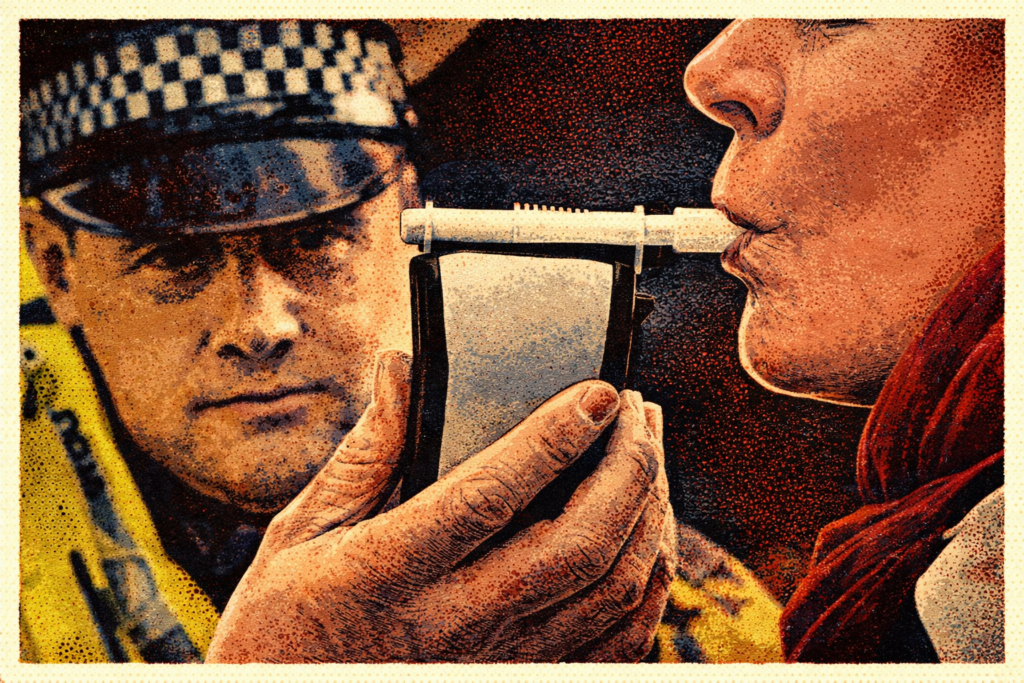
Hundreds of Sober Georgians Charged With DUI
A troubling investigation in Georgia has revealed that hundreds of drivers were wrongfully charged with driving under the influence (DUI), raising serious concerns about the reliability of law enforcement testing methods and the broader implications for the justice system.
The findings emerged after investigators reviewed blood test results conducted by the Georgia Bureau of Investigation (GBI). These tests showed that more than 700 drivers tested in 2025 had no illegal or prescription drugs in their systems, despite being arrested and charged with DUI offenses.
At the center of the controversy are field sobriety tests, which are commonly used by police officers to assess whether a driver is impaired. These tests typically include physical and cognitive exercises such as walking in a straight line or following an object with one’s eyes. However, in these cases, the tests were allegedly used to determine drug impairment—even when no alcohol was detected via breathalyzer tests.
The investigation suggests that these field sobriety tests may be deeply flawed or misapplied, particularly when used to detect drug use. Unlike alcohol testing, which can be measured with relatively reliable breathalyzer devices, drug impairment is significantly harder to assess in real time. This creates a gray area where subjective judgment by officers can lead to false conclusions.
One case highlighted in the report involved a 65-year-old man who was arrested despite registering a 0.00 blood alcohol level on a breathalyzer test. Officers claimed he was under the influence of drugs based on field sobriety testing. He was detained overnight, only for a later blood test to confirm that no substances were present in his system.

Experts and former law enforcement officials have expressed concern about the high rate of false positives associated with these tests. Some estimates suggest that more than 10% of the evaluated cases may have produced incorrect results, which is significant given the legal consequences of a DUI charge.
The implications for affected individuals are severe. Being charged with a DUI can result in arrest, jail time, fines, license suspension, and long-term damage to one’s reputation and employment prospects. Even if charges are later dropped, the financial and emotional toll can be substantial.
Despite the alarming findings, the Georgia Bureau of Investigation has characterized the blood test results as an “estimate,” suggesting some level of uncertainty. However, critics argue that this response fails to address the scale of the issue and the potential harm inflicted on innocent drivers.
The investigation has sparked calls for greater accountability and reform, including the adoption of more reliable testing methods for drug impairment. Legal experts warn that continued reliance on flawed procedures could lead to further wrongful arrests and potential civil rights violations.
This case also highlights a broader issue within the criminal justice system: the reliance on “scientific” methods that may not be as accurate as assumed. When such methods are used as primary evidence for arrest, they can undermine due process and erode public trust in law enforcement.
As of now, lawmakers in Georgia have not announced significant reforms in response to the findings. However, growing public awareness and pressure from affected individuals may push for changes in policy and procedure.
Ultimately, the situation underscores the importance of evidence-based policing and the need for safeguards to prevent wrongful accusations. For hundreds of drivers, the consequences have already been life-altering—raising urgent questions about how many more cases may have gone unnoticed.

⚖️ Key Legal Outcomes
- Over 700 DUI cases are now under scrutiny after blood tests showed no drugs present.
- Evidence from field sobriety tests is being questioned for reliability in court contexts.
- Potential for wrongful arrest claims and civil litigation against law enforcement agencies.
- Raises legal concerns about due process and evidentiary standards in DUI cases.
- Could lead to future policy or legal reforms regarding DUI enforcement methods.
📌 Why It Matters
- Highlights risks of wrongful arrests based on unreliable testing methods.
- Undermines public trust in law enforcement and forensic procedures.
- Exposes gaps in how drug impairment is detected and prosecuted.
- May open the door for mass case reviews or appeals.
- Reinforces the need for scientifically validated evidence in criminal charges.
