
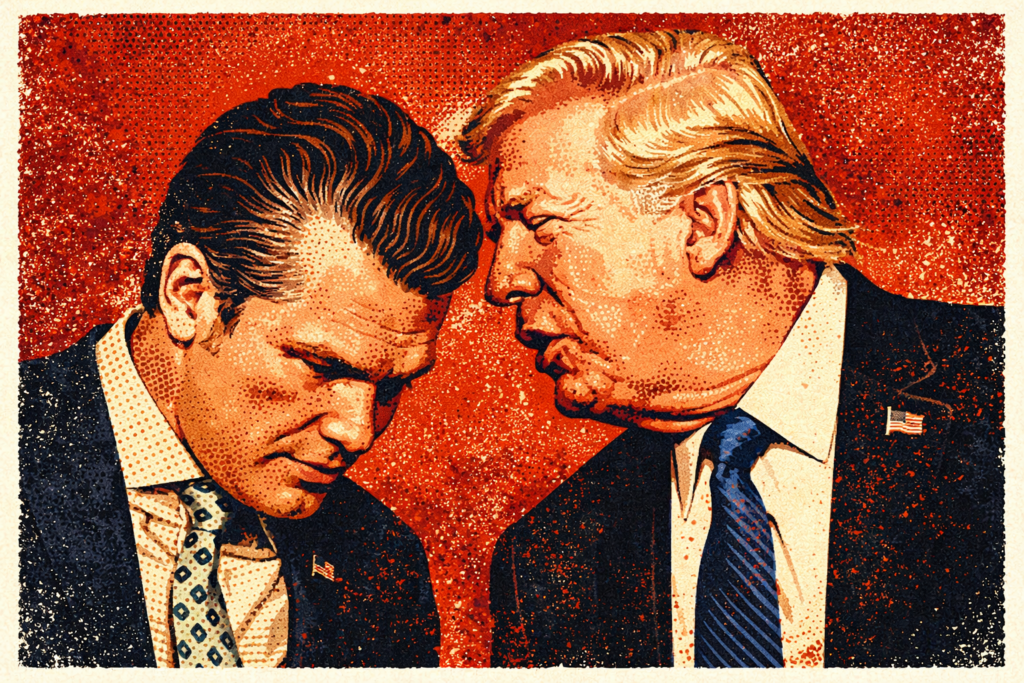
Democrats File New Impeachment Articles Against Trump and Hegseth
Democratic lawmakers in the United States have once again introduced articles of impeachment, this time targeting key figures tied to the Trump administration amid escalating tensions over foreign policy—particularly involving Iran. The move reflects growing political divisions in Washington and underscores how impeachment is increasingly being used as both a legal mechanism and a political statement.
According to reports, Democratic Representative John Larson formally introduced articles of impeachment against Donald Trump, accusing him of serious constitutional violations. The charges stem largely from Trump’s handling of military actions and rhetoric related to Iran, including allegations of unauthorized use of force and threats that critics argue could amount to war crimes or violations of international law.
Larson and other Democrats argue that the president bypassed Congress in matters of war powers, a central constitutional issue. Under U.S. law, Congress holds the authority to declare war, and lawmakers have long debated the limits of presidential military power. In this case, critics claim Trump’s actions—and even his public statements—crossed legal and ethical boundaries, prompting calls for accountability through impeachment.
At the same time, other Democrats are pursuing impeachment efforts against administration officials, including Pete Hegseth. Lawmakers accuse Hegseth of enabling or supporting controversial military actions tied to the Iran conflict, including decisions that allegedly endangered civilians and U.S. personnel.
These developments come amid heightened geopolitical tensions between the United States and Iran. Statements attributed to Trump—such as threats of extreme retaliation—have intensified scrutiny and criticism from Democratic lawmakers. Some have described the rhetoric as dangerous and destabilizing, arguing it risks escalating conflict while undermining diplomatic efforts.

Despite the strong language and serious accusations, the political reality in Congress makes it highly unlikely that these impeachment efforts will succeed. Republicans currently hold significant power in Congress, and impeachment requires a majority vote in the House of Representatives and a two-thirds majority in the Senate for conviction. Without bipartisan support, the effort is expected to stall before reaching a meaningful vote.
Still, the introduction of impeachment articles carries symbolic and strategic weight. For Democrats, it serves as a way to formally document alleged misconduct and signal opposition to the administration’s policies. It also plays a role in shaping public opinion, particularly as the country approaches future elections.
This is not the first time impeachment has been used against Trump. During his earlier presidency, he was impeached twice, though acquitted both times in the Senate. Impeachments of Donald Trump The current effort reflects a continuation of long-standing tensions between Trump and his political opponents, as well as ongoing debates about executive power and accountability.
More broadly, the situation highlights how impeachment has evolved in modern American politics. Once considered a rare and extraordinary measure, it is now being used more frequently as a tool for addressing political and legal disputes. Critics argue this trend risks politicizing the process, while supporters maintain it is necessary to uphold constitutional checks and balances.
In addition, some Democrats have explored alternative mechanisms for removing the president, including invoking the 25th Amendment, which allows for removal based on incapacity. However, this approach also faces significant political and procedural hurdles.
Ultimately, while the impeachment articles are unlikely to lead to removal from office, they reflect deepening divisions in U.S. governance and ongoing concerns about presidential authority, war powers, and accountability. The outcome may be uncertain, but the political and legal implications are likely to reverberate well beyond this specific case.

⚖️ Key Legal Outcomes
- Articles of impeachment formally introduced against Donald Trump citing constitutional violations.
- Allegations include unauthorized military action and abuse of executive power.
- Additional impeachment efforts target Pete Hegseth over war-related conduct.
- Impeachment faces low probability of success due to Republican control of Congress.
- Reinforces ongoing legal debate over war powers and presidential authority.
📌 Why It Matters
- Highlights growing concerns over limits of presidential war powers.
- Reflects deep political divisions in U.S. government.
- Demonstrates how impeachment is increasingly used as a political accountability tool.
- Signals continued scrutiny of foreign policy decisions.
- Shapes public discourse ahead of future elections.
