
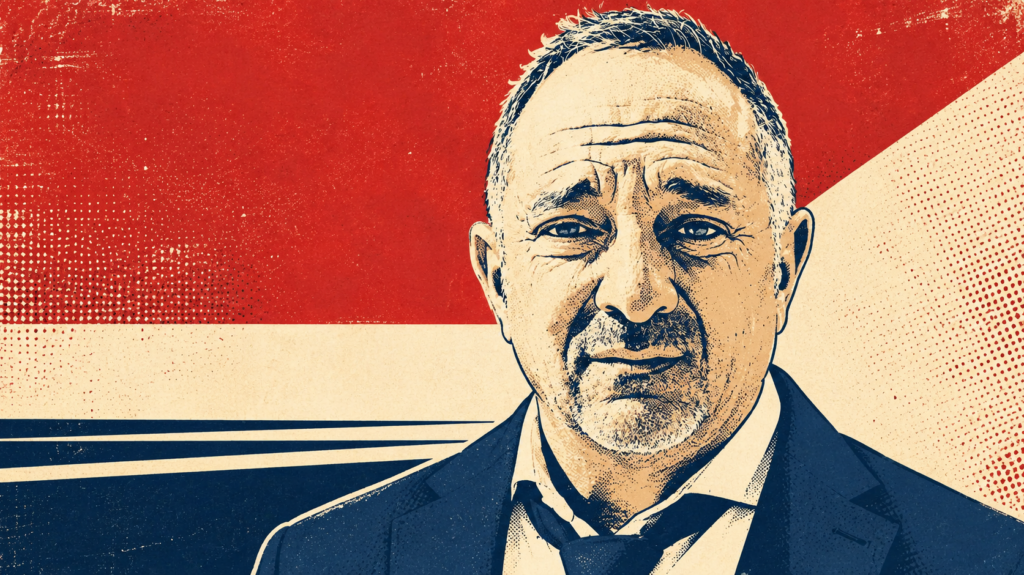
Andrew Left Convicted In Landmark Securities Fraud Case
Prominent activist short seller and founder of Citron Research, Andrew Left, has been convicted of securities fraud in a landmark federal case that is sending shockwaves through Wall Street and the investment community. A federal jury found Left guilty of manipulating stock prices through misleading public statements about his trading positions while secretly profiting from rapid trades that contradicted the impressions he created for investors.
The conviction stems from allegations that Left used his influential market commentary, social media presence, and research reports to move stock prices in directions that benefited his personal trading strategy. Prosecutors argued that Left publicly recommended or criticized stocks while privately planning to exit positions quickly once market reactions generated profits. According to the government, the scheme generated approximately $20 million in illicit gains between 2018 and 2023.
Left became one of the most recognizable figures in activist short selling over the past two decades. Through Citron Research, he built a reputation for publishing reports on companies he believed were overvalued, fraudulent, or misleading investors. His investigations helped expose concerns at several major corporations and earned him a reputation as both a market watchdog and a controversial figure among corporate executives.
Federal prosecutors alleged that Left crossed the line between legitimate market commentary and illegal market manipulation. While activist short sellers are generally permitted to publicly share investment opinions and profit from those positions, prosecutors argued that Left deceived investors by suggesting he intended to maintain positions when he actually planned to quickly reverse or close trades after stock prices reacted to his statements.
The trial focused on numerous trades involving high-profile companies, including stocks such as Tesla, Nvidia, and other publicly traded firms. Evidence presented by prosecutors included trading records, communications, and social media posts that allegedly demonstrated a pattern of publicly influencing investor sentiment while privately executing short-term trading strategies.
A Los Angeles federal jury convicted Left on 13 counts, including securities fraud charges. Jurors acquitted him on several other counts, but the majority of the government’s case was upheld. The verdict followed extensive debate over whether Left’s conduct constituted protected financial commentary or crossed into fraudulent market manipulation.

Throughout the proceedings, Left maintained his innocence. He argued that his statements reflected genuine opinions about stocks and that active trading is a normal part of investment activity. His legal team contended that the prosecution threatened free speech protections by criminalizing market opinions and investment commentary. Left has announced plans to appeal the verdict.
The case has generated significant concern among investors, analysts, and short-selling firms. Many market participants fear the conviction could create a chilling effect on activist short sellers who often play a role in identifying accounting irregularities, corporate misconduct, and overvalued companies. Some experts worry that aggressive enforcement actions could discourage legitimate market criticism.
Others argue the verdict is narrowly focused on alleged deception rather than short selling itself. Legal analysts note that prosecutors did not challenge the legality of short selling as a practice. Instead, the case centered on whether Left misled investors about his true intentions and trading activities. Under that interpretation, the verdict reinforces existing securities laws rather than creating new restrictions on market research or criticism.
The conviction arrives during a period of heightened regulatory scrutiny of financial influencers, research firms, and activist investors. Regulators have increasingly focused on situations where influential market participants use social media, newsletters, or public reports to affect stock prices while simultaneously trading for personal gain.
Sentencing is currently scheduled for August 2026. Left faces potentially significant prison time, with some individual securities fraud counts carrying substantial penalties under federal law. The final sentence will be determined by a federal judge after considering sentencing guidelines and arguments from both prosecutors and defense attorneys.
The case is widely viewed as one of the most consequential prosecutions involving an activist short seller in U.S. history. Regardless of the outcome of any appeal, the verdict is expected to influence how research firms, hedge funds, short sellers, and market commentators disclose their trading activities and communicate with investors in the future.

Key Legal Outcomes
- A federal jury convicted Andrew Left on 13 securities fraud-related counts.
- Prosecutors proved that Left profited from trades allegedly inconsistent with his public statements.
- The government alleged the scheme generated roughly $20 million in illicit gains.
- Left plans to appeal the conviction and continues to deny wrongdoing.
- Sentencing is scheduled for August 2026 and could result in substantial prison time.
Why This Matters
- The case is one of the most significant prosecutions ever brought against an activist short seller.
- The verdict could reshape disclosure practices for market commentators and research firms.
- Regulators may become more aggressive in pursuing alleged market manipulation cases.
- Investors and analysts are closely watching how courts distinguish market opinions from fraud.
- The outcome may influence the future role of activist short sellers in exposing corporate misconduct.
