
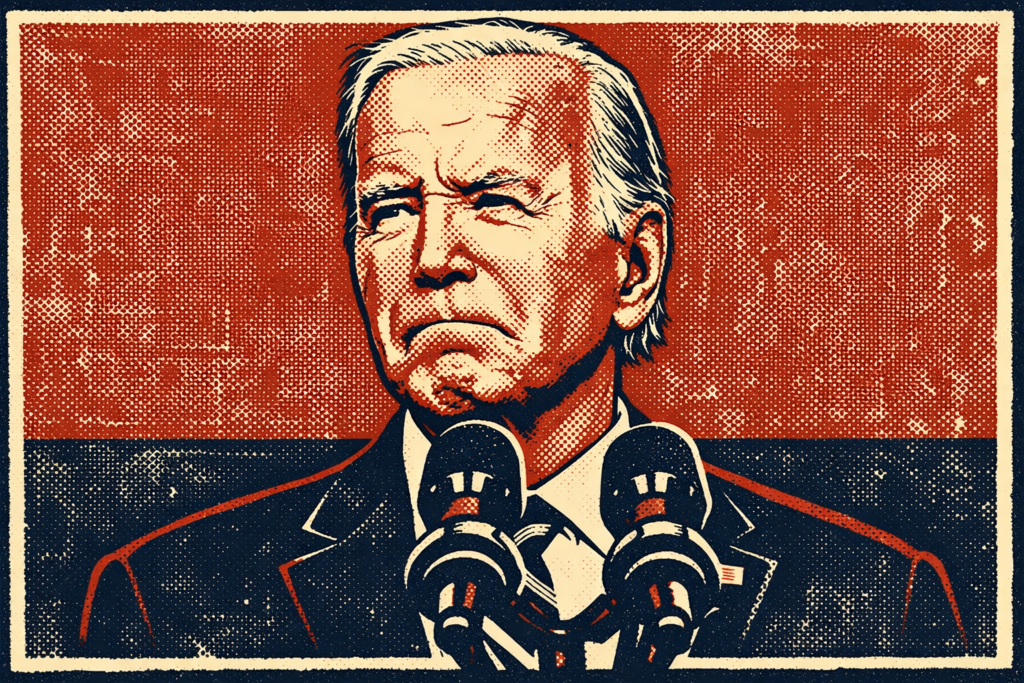
Biden Sues To Block Release Of Interview Recordings
Former President Joe Biden has filed a lawsuit seeking to prevent the U.S. Department of Justice from releasing audio recordings of his interviews with former Special Counsel Robert Hur. The legal action marks the latest chapter in a highly contentious dispute over access to materials generated during Hur’s investigation into Biden’s handling of classified documents after his vice presidency.
The lawsuit challenges the Justice Department’s efforts to disclose the recordings, which stem from interviews conducted during Hur’s investigation into whether Biden improperly retained and stored classified documents. Although Hur ultimately declined to recommend criminal charges against Biden, his final report generated widespread political controversy because it described the former president as an elderly man with memory limitations, a characterization that Biden strongly rejected.
Biden’s legal team argues that releasing the recordings would violate privacy interests, undermine executive branch confidentiality, and create a precedent that could discourage future presidents and senior government officials from cooperating with investigative inquiries. According to the complaint, the interviews were conducted under circumstances where participants reasonably expected that the recordings would remain protected from public disclosure.
The dispute has intensified because congressional Republicans and various advocacy groups have sought access to the recordings for months. Critics of the Biden administration argue that the audio could provide additional insight into Biden’s responses during questioning and potentially reveal information not fully reflected in the written transcripts previously released to lawmakers and the public.
The Justice Department has maintained that it is reviewing legal obligations regarding disclosure requests. However, pressure to release the recordings increased following public debate over Biden’s age, cognitive abilities, and fitness for office during the latter part of his presidency. Supporters of disclosure contend that transparency requires making the recordings available, particularly because the investigation involved a sitting president.
Biden’s lawsuit argues that the public already has access to substantial information regarding the interviews through transcripts and Hur’s extensive report. His attorneys contend that releasing the audio recordings would add little substantive value while exposing sensitive law enforcement materials to political misuse. The complaint further alleges that disclosure could chill future cooperation between witnesses and federal investigators.
The legal battle also raises broader questions regarding executive privilege, presidential confidentiality, and the handling of investigative records involving current and former presidents. Courts have historically recognized certain protections for presidential communications and deliberative processes, although those protections are not absolute and often require balancing competing public interests.

Legal experts note that the case could establish important precedents regarding access to investigative materials involving senior government officials. If the court sides with Biden, it may reinforce limitations on the disclosure of recorded interviews conducted during sensitive federal investigations. If the government prevails, future administrations could face greater pressure to release similar materials.
The controversy traces back to Hur’s investigation into classified documents found at Biden’s home and office. While the investigation concluded without criminal charges, Hur’s report attracted significant political attention because of its assessment of Biden’s memory and recollection during questioning. The audio recordings have therefore become a focal point in broader debates about transparency and presidential accountability.
Supporters of Biden argue that opponents are seeking the recordings primarily for political purposes rather than legitimate oversight. They contend that selective excerpts could be taken out of context and used to create misleading narratives. Opponents counter that the public has a right to hear the recordings and independently assess Biden’s responses rather than relying solely on written summaries.
The lawsuit is expected to move quickly through federal court because of the significant public interest surrounding the recordings. Judges will likely be asked to weigh competing concerns involving transparency, privacy, executive branch confidentiality, and the public’s interest in access to government records.
The outcome could have lasting implications beyond Biden personally. Future presidents, cabinet officials, and other senior government leaders may look to the ruling as guidance on whether recorded interviews conducted during federal investigations can later become public. As a result, the case is being closely watched by legal scholars, government officials, and political observers.
For now, the litigation places another major legal and political issue before the federal courts while continuing debates about presidential accountability, public access to government records, and the balance between transparency and confidentiality in high-profile investigations.

Key Legal Outcomes
- Former President Joe Biden filed a lawsuit to block the release of interview recordings from the Robert Hur classified documents investigation.
- The lawsuit seeks to prevent the Department of Justice from disclosing audio recordings of Biden’s interviews.
- Biden argues that releasing the recordings would violate confidentiality and privacy interests.
- The case raises questions regarding executive privilege and disclosure of investigative materials.
- A federal court will determine whether the recordings can be publicly released.
Why This Matters
- The case could establish a precedent for access to investigative recordings involving presidents.
- It tests the balance between government transparency and executive confidentiality.
- The dispute stems from a politically sensitive investigation into classified documents.
- The ruling may affect how future government officials cooperate with federal investigations.
- The outcome could shape public access to law enforcement records involving high-ranking officials.
