
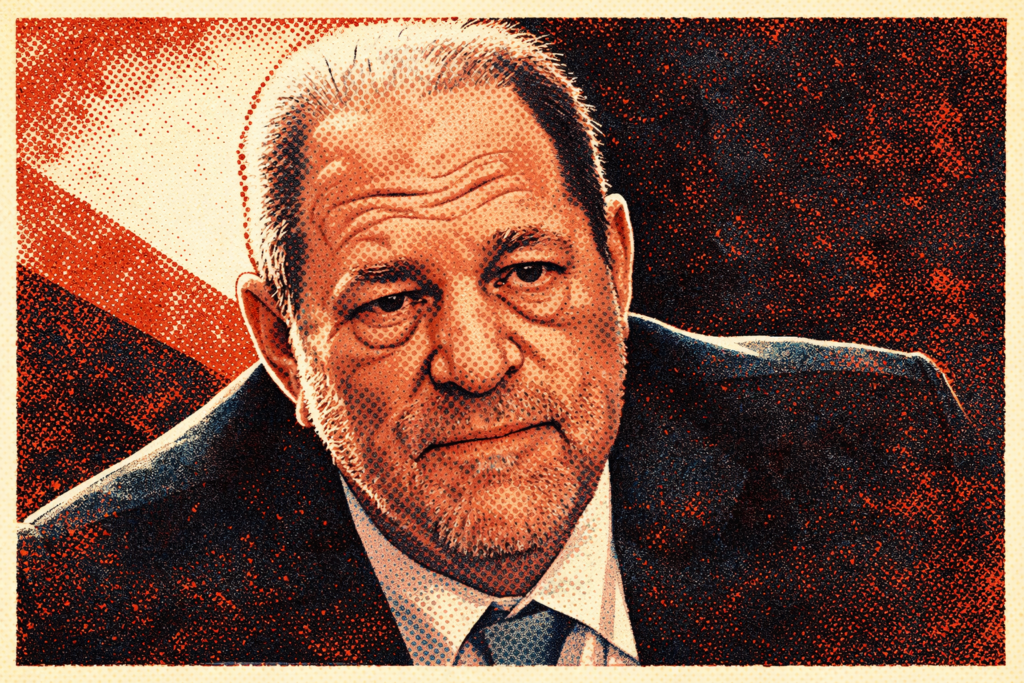
Prosecutors Drop Remaining Harvey Weinstein Rape Charge
Former Hollywood producer Harvey Weinstein has avoided a fourth rape trial in New York after prosecutors moved to dismiss one of the remaining criminal charges against him. The decision effectively ends another chapter in the years-long criminal proceedings that helped fuel the global #MeToo movement and reshaped public discussions about sexual misconduct, abuse of power, and accountability in the entertainment industry.
The request to dismiss the charge was filed by prosecutors in Manhattan shortly before another trial was set to begin. The charge involved an allegation of rape, but prosecutors concluded that they could no longer proceed because key evidence necessary to prove the case beyond a reasonable doubt was no longer available. As a result, they asked the court to dismiss the count rather than pursue another jury trial.
The dismissal follows years of complex litigation involving Weinstein in both New York and California. Once one of Hollywood’s most influential film producers, Weinstein has faced numerous criminal prosecutions and civil lawsuits stemming from allegations made by dozens of women who accused him of sexual assault, rape, and other forms of sexual misconduct spanning several decades.
Weinstein was originally convicted in New York in 2020 on charges involving criminal sexual acts and rape, receiving a lengthy prison sentence. However, in 2024, the New York Court of Appeals overturned that conviction, ruling that the trial judge improperly allowed testimony from women whose allegations were not directly connected to the charged offenses. The state’s highest court concluded that the additional testimony unfairly prejudiced the jury and deprived Weinstein of a fair trial.
Following that decision, Manhattan prosecutors elected to retry Weinstein on the remaining New York charges. The retrial attracted significant national attention because it represented one of the most prominent criminal prosecutions arising from the #MeToo movement. During the retrial, prosecutors sought to present testimony from several accusers while the defense argued that the allegations involved consensual relationships and lacked credible evidence.
Although prosecutors secured convictions on some counts during the retrial, one rape charge remained unresolved, leaving open the possibility of yet another trial. Rather than pursue a fourth proceeding, prosecutors informed the court that continuing the prosecution was no longer appropriate given evidentiary considerations and the practical challenges associated with trying the case again.
The dismissal means Weinstein will not face another New York jury on that particular rape allegation. However, the decision does not erase his other criminal convictions or sentences. Weinstein remains incarcerated because of separate convictions and legal proceedings, including his California criminal case, where he was previously convicted on multiple sexual assault-related offenses.

Legal experts note that prosecutors sometimes dismiss charges when they determine that witnesses are unavailable, evidence has weakened over time, or the likelihood of obtaining a conviction no longer justifies another lengthy trial. Criminal cases involving allegations that occurred many years earlier often become increasingly difficult to prosecute because memories fade, witnesses become unavailable, and physical evidence may no longer exist.
The Weinstein prosecutions have had an extraordinary impact on the legal landscape surrounding sexual assault cases. The allegations against him helped launch the #MeToo movement into the global spotlight, encouraging thousands of survivors to publicly share their experiences and prompting significant changes in workplace policies, corporate governance, and criminal investigations involving sexual misconduct.
The case also illustrates the complexity of retrying criminal defendants after appellate courts overturn convictions. Even when prosecutors believe the evidence remains strong, they must reassess whether the available testimony and evidence continue to support prosecution under current legal standards. Decisions to dismiss charges do not necessarily reflect innocence but often result from practical and evidentiary considerations.
For Weinstein, the dismissal removes the possibility of another New York rape trial, though it does not substantially alter his overall legal situation because he continues to serve prison sentences resulting from other convictions. For prosecutors, the decision brings one of the final unresolved portions of the New York litigation to a close after years of appeals, retrials, and extensive public scrutiny.
Ultimately, the dismissal concludes another significant phase in one of the most consequential criminal prosecutions of the #MeToo era. While Harvey Weinstein avoids a fourth New York rape trial, his broader legal legacy—and the profound impact of the cases brought against him—continues to shape discussions about sexual violence, criminal justice, and accountability for powerful public figures.

⚖️ Key Legal Outcomes
- Manhattan prosecutors moved to dismiss the remaining rape charge against Harvey Weinstein.
- The dismissal prevents Weinstein from facing a fourth New York rape trial.
- Prosecutors cited evidentiary challenges in deciding not to proceed.
- Weinstein’s earlier New York conviction had been overturned by the New York Court of Appeals.
- Weinstein remains incarcerated due to other criminal convictions, including his California case.
📌 Why It Matters
- Brings another chapter of the landmark Weinstein prosecutions to an end.
- Highlights the challenges of retrying older criminal cases.
- Demonstrates prosecutors’ obligation to reassess evidence before trial.
- Reflects the lasting legal impact of the #MeToo movement.
- Leaves Weinstein imprisoned despite the dismissal of this charge.
