
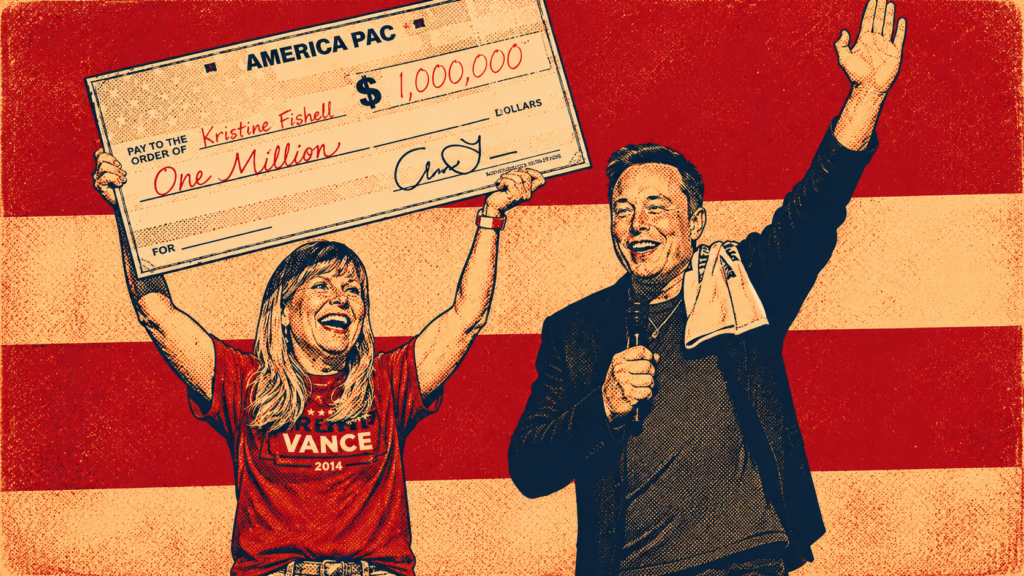
Elon Musk Ordered To Testify In Election Lottery Lawsuits
A federal court has ruled that Elon Musk must provide sworn testimony in several lawsuits stemming from the so-called “election lottery” cases, marking another significant legal challenge involving the billionaire entrepreneur and his business activities during the U.S. election cycle. The ruling comes after plaintiffs and government attorneys argued that Musk possesses information critical to resolving disputed factual issues surrounding the alleged lottery-style initiatives.
The lawsuits focus on programs and promotional activities that critics contend may have improperly influenced political participation through lottery-like incentives. Plaintiffs allege that certain activities associated with the initiatives may have violated election laws or other legal requirements governing political advocacy and voter engagement. The cases seek to determine whether any individuals or organizations improperly encouraged political participation through financial incentives or prize-based promotions.
According to the court, Musk’s testimony could help clarify the roles played by various individuals, companies, and organizations connected to the challenged activities. Attorneys representing the plaintiffs argued that Musk has firsthand knowledge regarding the planning, implementation, funding, and oversight of the programs under investigation. Prosecutors likewise maintained that his testimony may help establish key facts that remain in dispute.
The court agreed that Musk’s deposition is warranted, concluding that the plaintiffs demonstrated sufficient need for his testimony. While high-profile executives are often protected from unnecessary depositions under the “apex doctrine,” courts may require senior corporate leaders to testify when they possess unique personal knowledge that cannot reasonably be obtained from other witnesses. In this instance, the judge determined that Musk’s testimony could be relevant to resolving important factual questions in the pending litigation.
Several lawsuits remain active, with one or more cases potentially being narrowed depending on the information obtained through Musk’s testimony. Attorneys expect the deposition to address the structure of the alleged lottery programs, decision-making processes, corporate involvement, communications among participants, and whether applicable election laws were considered during the development of the initiatives.

The litigation does not itself determine that Musk or his companies engaged in unlawful conduct. Rather, the court’s ruling simply requires him to participate in the discovery process by answering questions under oath. Depositions are a common part of civil litigation and allow parties to gather evidence before trial. Statements made during a deposition may later be introduced in court or used to evaluate legal claims.
The lawsuits also reflect increasing legal scrutiny of political fundraising strategies, promotional campaigns, and election-related incentives. Courts have repeatedly been asked to examine whether innovative campaign tactics comply with federal and state election laws, particularly when financial rewards or promotional contests are involved.
Legal experts note that compelling testimony from a chief executive officer is relatively uncommon but not unprecedented. Courts generally balance the burden placed on senior executives against the importance of the information sought. When a CEO is believed to possess unique knowledge unavailable from subordinate employees or corporate records, judges may require personal testimony despite the executive’s status.
Musk has faced numerous legal proceedings in recent years involving his companies, public statements, business practices, and political activities. The latest order adds to an expanding list of lawsuits involving the billionaire, although requiring testimony should not be interpreted as a finding of liability or wrongdoing.
The deposition could influence how the litigation proceeds. Depending on Musk’s testimony, plaintiffs may seek to amend their claims, defendants could move to dismiss certain allegations, or the parties may narrow disputed factual issues before trial. Courts often encourage such discovery because it can clarify the scope of litigation and potentially facilitate settlement discussions.
Ultimately, the federal court’s ruling ensures that Elon Musk will play a direct role in the discovery phase of the election lottery litigation. While the lawsuits remain unresolved, his testimony may become an important piece of evidence as courts evaluate whether the challenged activities complied with applicable election laws and whether any parties bear legal responsibility for the alleged conduct.

⚖️ Key Legal Outcomes
- A federal court ordered Elon Musk to provide testimony in the election lottery lawsuits.
- The court found that Musk may possess relevant information unavailable from other witnesses.
- Plaintiffs and prosecutors argued his testimony is necessary to clarify disputed facts.
- The deposition could narrow issues in one or more pending lawsuits.
- The order is part of the discovery process and does not determine liability.
📌 Why It Matters
- Highlights judicial authority to require testimony from high-profile executives.
- May clarify corporate involvement in election-related promotional activities.
- Could shape the outcome of multiple pending civil lawsuits.
- Demonstrates courts’ increasing scrutiny of election-related incentive programs.
- Reinforces that executive testimony can be required when unique knowledge is at issue.
