
Cornell Jane Doe Reports Death Threats After Lawsuit
Gang rape allegations involving Cornell University have sparked widespread controversy, protests, and demands for accountability. The case involves a former student identified as Jane Doe, who filed a lawsuit alleging that she was sexually assaulted by members of the Chi Phi fraternity in 2024.
According to the lawsuit, Doe alleges that seven fraternity members sexually assaulted her at the fraternity house. The allegations have drawn renewed attention to sexual assault on college campuses and how universities respond to reports of misconduct.
The controversy has intensified following reports that Doe has received death threats since filing her lawsuit. Her attorney, Thomas Giuffra, confirmed the threats and provided audio of a harassing phone call. The threats have raised concerns about her safety and the potential intimidation of people who come forward with allegations of sexual violence.
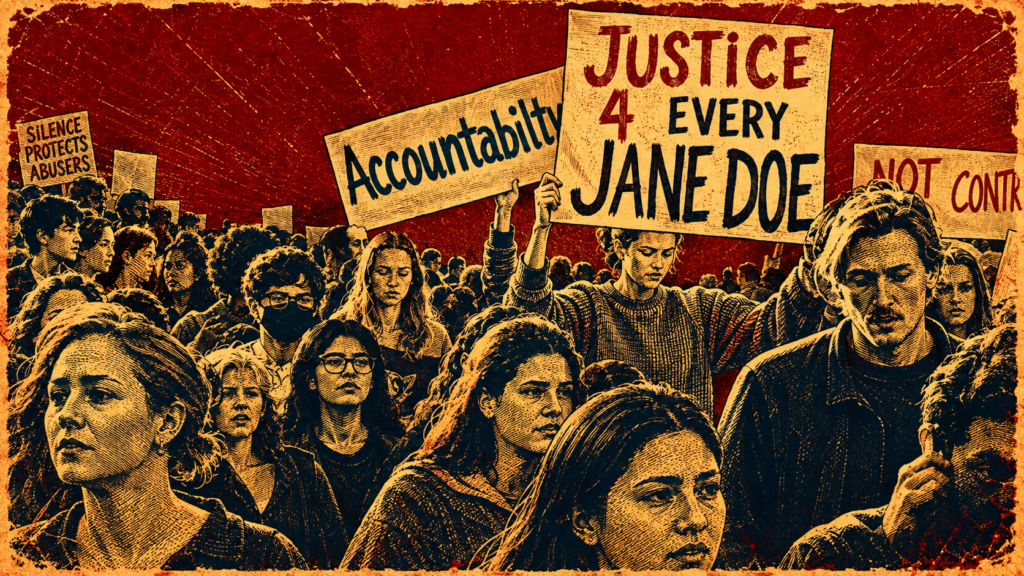
The case has also fueled protests targeting Cornell University, fraternity members named in the lawsuit, and the broader institutional response to sexual assault allegations. Demonstrators have demanded accountability and questioned whether existing campus policies adequately protect students.
Cornell conducted an internal investigation and imposed disciplinary measures against several students. However, the university’s handling of the case has faced criticism from people who believe more substantial action is needed to address sexual misconduct and protect students.
The allegations also prompted scrutiny of the criminal investigation. Prosecutors previously declined to file criminal charges, according to reports about the case. That decision has become a point of contention as the civil lawsuit and renewed public attention bring the allegations back into focus.

New York Governor Kathy Hochul appointed Attorney General Letitia James as a special prosecutor to oversee a renewed investigation. The investigation could allow authorities to examine the evidence further and present the matter to a grand jury if warranted.
However, the special prosecutor’s appointment has faced legal challenges. An attorney representing one of the accused students has questioned James’s impartiality, citing her public comments about the case. The dispute highlights the importance of maintaining public confidence in the fairness and independence of criminal investigations.
Cornell President Michael Kotlikoff has apologized for the university’s handling of the matter and promised a transparent, independent review. The university now faces continued pressure to explain its decisions and demonstrate that its procedures for addressing sexual assault allegations are fair and effective.
The death threats against Doe have added another dimension to the controversy. Beyond questions about the original allegations, the threats raise concerns about the safety of complainants in high-profile cases and the consequences of harassment during ongoing legal proceedings. The allegations against the fraternity members remain subject to legal scrutiny, and the threats should be treated as a separate serious concern.
The case has become part of a broader national discussion about sexual violence on college campuses, institutional accountability, due process, and survivor protection. As the lawsuit and renewed investigation continue, their outcomes may influence public debate about how universities respond to sexual assault allegations while protecting the rights and safety of everyone involved.

Key Legal Outcomes
-
Civil lawsuit filed: Jane Doe filed a lawsuit alleging gang rape involving seven members of Cornell University’s Chi Phi fraternity.
-
Renewed investigation: New York appointed Attorney General Letitia James as special prosecutor to oversee a renewed investigation into the allegations.
-
Impartiality challenged: An attorney representing one of the accused students challenged the special prosecutor’s involvement, raising concerns about impartiality.
-
University disciplinary action: Cornell imposed disciplinary measures against several students following its internal investigation.
-
Death threats reported: Doe’s attorney confirmed that she had received death threats and provided audio of a harassing phone call. Any investigation or legal action specifically concerning those threats should be distinguished from the underlying sexual assault allegations.
Why It Matters
-
Survivor safety: Reported death threats highlight the risks and intimidation that people who report sexual assault may face.
-
Campus accountability: The controversy raises questions about how universities investigate sexual misconduct and protect students.
-
Fair legal proceedings: The dispute over the special prosecutor emphasizes the importance of impartial investigations and due process.
-
Student protection: The case has intensified calls for stronger campus policies, support services, and safeguards against sexual violence.
-
Public trust: The lawsuit, protests, and reported threats underscore the need for transparent investigations that protect both complainants and accused individuals.
Related:
