
Nine Former FBI Employees Sue Over Trump Investigation Firings
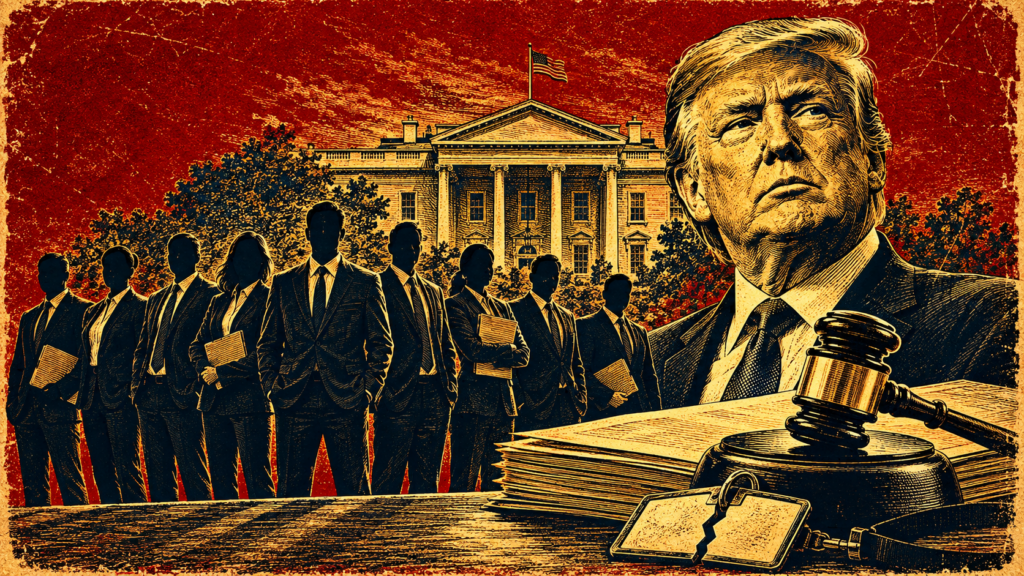
Nine former Federal Bureau of Investigation employees have filed a lawsuit seeking reinstatement after being dismissed for their roles in the investigation into President Donald Trump’s handling of classified government documents following his first term in office. The lawsuit, filed in federal court in Washington on October 15, 2026, alleges that the employees were unlawfully terminated because they participated in a politically sensitive investigation. The plaintiffs include former agents, intelligence analysts, and operational support personnel who say their dismissals were politically motivated rather than based on documented misconduct.
The employees were fired in February 2026, after working on the FBI investigation into classified documents retained at Trump’s Mar-a-Lago property in Florida. The investigation examined the handling of government records after Trump left the White House in January 2021. Federal authorities searched the property in August 2022 and recovered classified documents. The investigation later resulted in federal criminal charges against Trump, who denied wrongdoing. The case was dismissed in 2024 after a judge ruled that special counsel Jack Smith had been unlawfully appointed. That dismissal did not constitute a jury verdict resolving the underlying allegations against Trump.
According to the former employees’ complaint, their participation in the investigation was part of their regular professional responsibilities. They say they did not volunteer for the assignment because of political beliefs or personal opposition to Trump. Instead, they were assigned to the investigation through their counterintelligence and counterespionage work. The lawsuit argues that their professional involvement was later treated as evidence of disloyalty to the president, even though conducting investigations based on evidence and legal requirements is part of the FBI’s law enforcement mission.
The plaintiffs allege that their dismissals were carried out without an adequate internal investigation, prior notice, a hearing, or an opportunity to challenge the decisions. They argue that the FBI failed to follow the procedures normally associated with disciplinary action against employees. Their lawyers maintain that the terminations were not supported by findings of misconduct and instead reflected a broader effort to remove personnel associated with investigations involving Trump. The lawsuit asks the court to examine whether the government followed applicable employment rules and respected the employees’ legal rights.
FBI Director Kash Patel is named as a defendant in the lawsuit, along with Attorney General Todd Blanche and the relevant federal agencies. Patel has previously defended the dismissals of FBI personnel, saying some employees had demonstrated poor judgment or a lack of impartiality in carrying out their duties. The former employees dispute that explanation and contend that the government has not produced evidence establishing misconduct by the nine plaintiffs. The competing positions place the reasons for the dismissals and the procedures used to carry them out at the center of the litigation.
The lawsuit also describes the plaintiffs’ professional experience before their dismissals. Collectively, they say they had more than a century of service involving national security investigations, counterintelligence operations, hostage recovery efforts, and major criminal incidents. Their previous assignments included work related to the Boston Marathon bombing and the investigation into the 2024 assassination attempt against Trump in Butler, Pennsylvania. The plaintiffs argue that removing experienced personnel without a proper transition risked disrupting sensitive investigative work and reducing institutional knowledge within the bureau.

Some of the former employees reportedly worked on investigations involving Iranian intelligence and other national security threats. The lawsuit argues that their abrupt dismissals left important cases without an orderly transfer of responsibilities. One plaintiff reportedly managed numerous Iranian counterintelligence matters and was dismissed shortly before U.S. and Israeli military strikes against Iran began in February 2026. The complaint claims that he had insufficient opportunity to brief colleagues or transfer information about his work. These claims form part of the plaintiffs’ argument about the broader consequences of the dismissals, although the lawsuit’s allegations about operational harm have not been independently adjudicated.
The complaint identifies the FBI investigation into the classified documents as “Plasmic Echo.” Several plaintiffs reportedly participated in the search of Mar-a-Lago, while one signed an affidavit submitted to a magistrate judge in support of the search warrant. The former employees argue that performing these assignments should not have been treated as evidence of political bias. They say the investigation was conducted as part of their official duties and that the administration improperly equated participation in a lawful investigative process with opposition to Trump.
The plaintiffs further allege that the February dismissals formed part of a wider pattern of personnel actions affecting FBI employees who worked on investigations involving Trump. Other agents and officials have also challenged dismissals connected to investigations into the January 6, 2021, attack on the U.S. Capitol and efforts to overturn the 2020 presidential election results. Those cases involve separate plaintiffs and legal claims, but they contribute to a broader dispute about the independence of federal law enforcement, employee protections, and the ability of administrations to make personnel decisions involving politically sensitive investigations.
The former employees are seeking several forms of relief. They want their jobs back, compensation for lost wages, and a judicial declaration that their terminations were unlawful. The court will need to consider the applicable employment rules, the government’s stated reasons for the decisions, and the evidence presented by both sides. Filing the complaint does not mean the plaintiffs have already established their claims. The defendants will have an opportunity to respond, and the court may address preliminary legal questions before deciding whether the case proceeds to a full determination.
The lawsuit raises important questions about the balance between executive authority over federal agencies and the legal protections available to government employees. FBI leadership has responsibility for managing personnel and addressing genuine misconduct, while employees may challenge decisions they believe violate employment rules or constitutional protections. The outcome could clarify how courts assess dismissals involving personnel who worked on politically sensitive investigations. For now, the central facts are that nine former FBI employees have sued, they allege political retaliation and procedural violations, and they are asking a federal court to order remedies. No final ruling has determined whether the dismissals were unlawful.

Key Legal Outcomes
- Lawsuit filed: Nine former FBI employees filed a federal lawsuit on October 15, 2026, challenging their February dismissals.
- Political retaliation alleged: The plaintiffs contend they were fired because they worked on the classified documents investigation involving Trump.
- Procedural violations alleged: They say they were dismissed without adequate investigation, notice, hearings, or an opportunity to appeal.
- Reinstatement and back pay sought: The lawsuit asks for their jobs back, lost wages, and a declaration that the terminations were unlawful.
- No court ruling yet: The claims remain unresolved, and the defendants have not been found liable in this case.
Why It Matters
- FBI independence: The case raises questions about whether investigators can face employment consequences for carrying out politically sensitive assignments.
- Government employee protections: The lawsuit tests the procedures and legal protections applicable to federal personnel dismissals.
- National security continuity: The plaintiffs argue that abrupt dismissals disrupted the transfer of sensitive investigative knowledge.
- Accountability for agency leadership: The court may examine whether the government followed the rules governing the challenged personnel decisions.
- Broader legal implications: The case adds to ongoing litigation over dismissals of federal employees associated with investigations involving Trump.
