
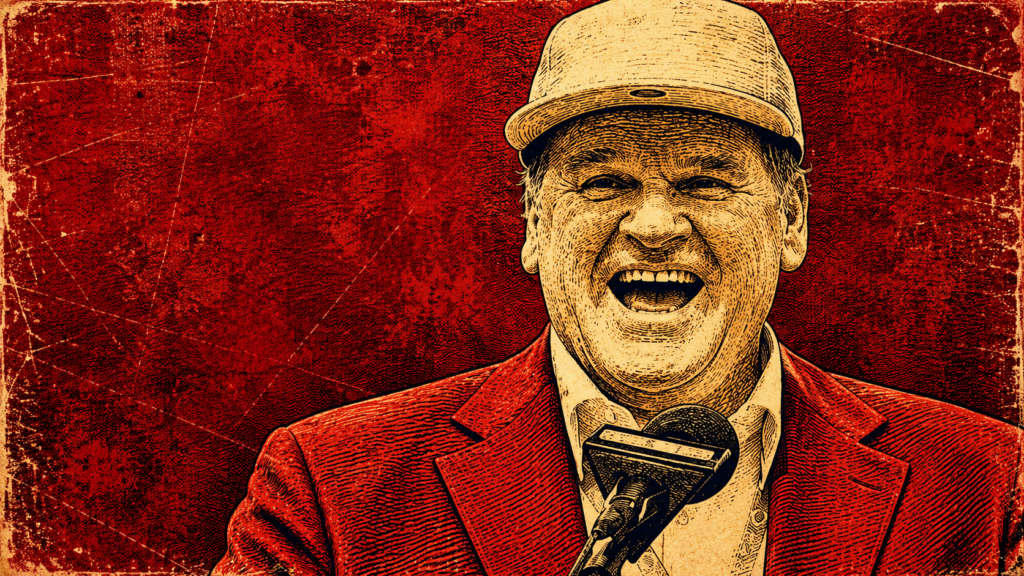
Pete Rose Receives Presidential Pardon After Death
U.S. President Donald Trump has announced a posthumous presidential pardon for former Major League Baseball (MLB) star Pete Rose, more than two years after the baseball legend died. The announcement was made on November 19, 2026, through a social media post while Trump was returning from a trip to Asia. The president described Rose as a baseball superstar and legend, expressing his belief that the athlete had been treated unfairly by Major League Baseball. The pardon comes after years of controversy surrounding Rose’s gambling activities, criminal conviction for tax violations, and exclusion from baseball’s Hall of Fame.
Pete Rose, who died on September 30, 2024, at the age of 83, remains one of the most accomplished players in professional baseball history. He holds the MLB record for the most career hits, finishing his 24-season playing career with 4,256 hits. He was selected as an All-Star 17 times, won three National League batting titles, and received several major individual honors, including the 1973 National League Most Valuable Player award and the 1975 World Series Most Valuable Player award. Rose also helped the Cincinnati Reds win multiple championships and later played for the Philadelphia Phillies, contributing to their 1980 World Series victory.
Despite his extraordinary sporting achievements, Rose’s career was overshadowed by allegations that he had repeatedly bet on baseball games while playing for and managing the Cincinnati Reds. An investigation conducted by Major League Baseball concluded that Rose had placed bets on his own team between 1985 and 1987. In 1989, he agreed to a permanent placement on baseball’s ineligible list, effectively ending his eligibility for the sport’s highest honors, including consideration for induction into the Baseball Hall of Fame. His agreement followed an investigation that raised concerns about the integrity of professional baseball and the possibility that gambling could influence the outcome of games.
Rose initially denied betting on baseball but later acknowledged his gambling activities. In his 2004 autobiography, he admitted that he had placed bets on baseball games. He also maintained that he had never bet against his own team. Over the years, he repeatedly sought reinstatement and attempted to restore his reputation within the sport. However, his requests were unsuccessful until a major policy change introduced by MLB Commissioner Rob Manfred in 2025. The decision allowed individuals on baseball’s permanently ineligible list to have their status restored after death, opening a possible pathway for Rose and other former players to receive consideration for the Hall of Fame.
Separate from his baseball-related ban, Rose also faced federal criminal charges involving his personal finances. In April 1990, he pleaded guilty to two counts of filing false federal income tax returns. He admitted that he had failed to report $354,968 in income over a four-year period. The unreported earnings were connected to activities including memorabilia signings and gambling-related winnings. His guilty pleas resulted in a five-month prison sentence, a $50,000 fine, and an order to complete community service. He was also required to repay the Internal Revenue Service $366,042 in unpaid taxes.

Trump’s pardon is particularly significant because Rose’s federal criminal conviction involved tax violations rather than gambling on baseball. Although the president described the action as a complete and total pardon, he did not provide a detailed explanation of precisely which offenses were covered. Rose had never been criminally convicted simply for betting on baseball. Instead, his permanent exclusion from professional baseball was an administrative disciplinary decision made by the league, separate from the criminal proceedings in federal court. The distinction is important because a presidential pardon addresses federal criminal consequences but does not automatically reverse independent decisions made by private organizations.
Trump had previously expressed support for Rose and indicated that he intended to grant him a pardon. In 2025, the president publicly stated that he believed Rose had been treated unfairly and criticized baseball officials for preventing the former player from entering the Hall of Fame. Trump also argued that Rose had already faced the consequences of his actions. Although the pardon was discussed publicly for more than a year, the president did not issue it until November 2026, following Rose’s death. The timing has renewed discussion about the purpose and practical effect of granting clemency to someone who is no longer alive.
Rose’s attorney welcomed the presidential action but acknowledged that receiving the pardon during his lifetime would have been more meaningful. The decision nevertheless provides formal recognition that the federal government has granted relief from the consequences of Rose’s criminal conviction. However, the pardon does not automatically erase his guilty pleas or change the historical record of his criminal case. It also does not determine whether his actions violated baseball’s rules or resolve the separate debate about his eligibility for the sport’s highest individual honor.
The presidential pardon also comes after Major League Baseball had already taken steps to change Rose’s status. In May 2025, Commissioner Rob Manfred announced that individuals on the league’s permanently ineligible list would regain eligibility following their deaths. This decision affected 17 individuals, including Rose and former baseball player Shoeless Joe Jackson. The policy change meant that Rose could once again be considered for possible induction into the Baseball Hall of Fame. However, eligibility does not guarantee selection, and the earliest opportunity for his consideration is expected to be in 2028.
The controversy surrounding Rose also reflects the longstanding importance of gambling restrictions in professional sports. Baseball has historically maintained strict rules against betting by players and managers because of the potential threat to fair competition and public confidence. Rose’s case became one of the most prominent examples of the consequences associated with violating those rules. His situation has attracted renewed attention as sports betting has become increasingly legal and commercially widespread across the United States. Nevertheless, the expansion of legal sports gambling does not eliminate the professional obligations and restrictions imposed on athletes, coaches, and team personnel.
Ultimately, Trump’s posthumous pardon adds another chapter to the complicated legacy of Pete Rose. It provides federal clemency for his tax-related criminal conviction but does not reverse his baseball disciplinary history or guarantee his place in the Hall of Fame. The decision also raises broader questions about presidential pardon powers, the distinction between criminal punishment and private organizational discipline, and the treatment of public figures whose accomplishments are accompanied by serious misconduct. While Rose’s supporters may view the pardon as recognition of his contributions to baseball, others continue to emphasize the importance of preserving the integrity of professional sports and enforcing rules against gambling-related misconduct.

KEY LEGAL OUTCOME
- President Donald Trump granted Pete Rose a posthumous presidential pardon on November 19, 2026, following his 1990 federal conviction for filing false income tax returns.
- Rose had pleaded guilty to two federal tax offenses after failing to report $354,968 in income over a four-year period.
- His original sentence included five months in prison, a $50,000 fine, community service, and repayment of $366,042 to the IRS.
- The presidential pardon does not automatically erase his guilty pleas, reverse MLB’s previous disciplinary decisions, or guarantee induction into the Baseball Hall of Fame.
- Rose’s eligibility for Hall of Fame consideration was restored separately through an MLB policy change in 2025, with 2028 being the earliest possible opportunity for consideration.
WHY IT MATTERS
- Presidential pardon powers: The decision demonstrates the president’s constitutional authority to grant federal clemency, including posthumous pardons for individuals convicted of federal offenses.
- Criminal versus professional consequences: The case highlights the distinction between federal criminal convictions and disciplinary decisions imposed by private organizations such as professional sports leagues.
- Sports integrity: Rose’s history reinforces the importance of gambling restrictions in protecting fair competition and public confidence in professional baseball.
- Hall of Fame debate: The pardon renews discussions about whether outstanding athletic achievements should be considered separately from misconduct when evaluating a player’s legacy.
- Modern sports gambling: The case provides historical context for ongoing discussions about gambling regulations, athlete responsibilities, and maintaining integrity as sports betting becomes more widespread.
