
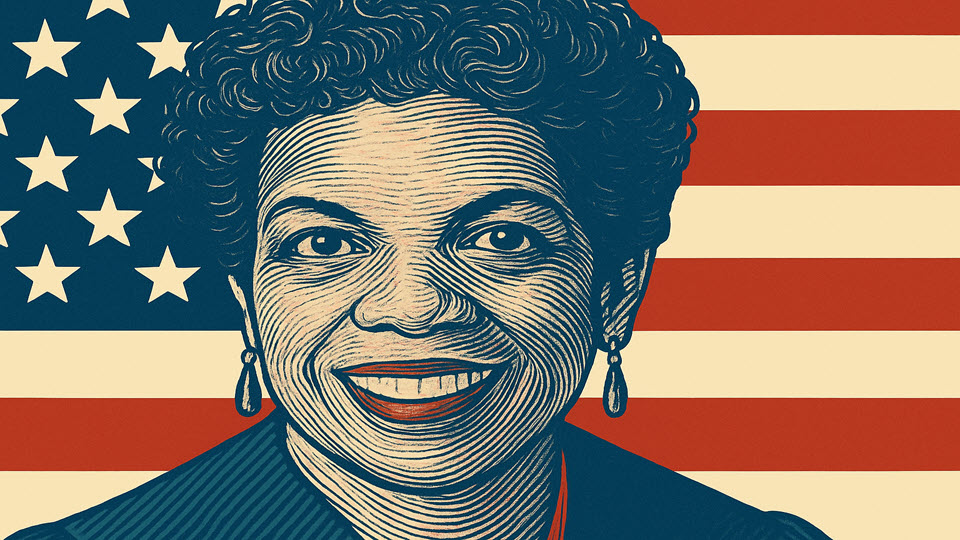
Judge Chutkan Rejects Recusal Request
Highlights
-
Chutkan denies recusal motion, citing lack of sufficient basis
-
Trump’s team alleged prior bias from Jan. 6 sentencing remarks
-
Judge warns against using recusal as a procedural weapon
-
Intrajudicial comments not enough to establish a disqualifying bias
-
Case continues under Chutkan’s supervision toward 2024 trial
The Core Facts
In September 2023, U.S. District Judge Tanya Chutkan formally denied a motion filed by Donald Trump’s legal team seeking her recusal from the federal criminal case concerning his efforts to overturn the 2020 election. Trump’s attorneys argued that Chutkan’s comments during earlier sentencing hearings for Capitol rioters suggested she had already formed negative opinions about Trump’s role in the January 6 insurrection.
The two specific statements they highlighted included her remark that some rioters acted out of “blind loyalty to one person who, by the way, remains free to this day.” Trump’s attorneys contended this amounted to a prejudgment of their client’s criminal responsibility, made in a separate courtroom setting.
Chutkan rejected the motion in a written opinion, explaining that her remarks were mischaracterized, taken out of context, and made in the course of sentencing defendants in entirely different cases. She stressed that recusal is a serious step and warned that unwarranted requests can erode judicial integrity and function as tools for delay.
Background on Key Figures
Judge Tanya S. Chutkan
Appointed by President Obama in 2014, Judge Tanya Chutkan is a former public defender and a seasoned jurist in the U.S. District Court for the District of Columbia. She has presided over numerous January 6-related criminal cases, earning a reputation for issuing firm, sometimes above-guideline sentences. Importantly, her assignment to Trump’s election interference case came via standard random docket procedure, not through any discretionary selection.
Donald Trump
The former president is charged in a four-count indictment alleging that he conspired to defraud the United States, obstruct an official proceeding, and deprive voters of their rights. The case, led by Special Counsel Jack Smith, centers on Trump’s actions and statements between the 2020 election and the Capitol riot of January 6, 2021.
Jack Smith and the Special Counsel
Jack Smith, a veteran prosecutor previously with the International Criminal Court, was appointed in November 2022 to oversee investigations involving Trump. His team responded to the recusal motion by defending Chutkan’s impartiality and arguing that the defense had distorted her prior judicial statements to fit a biased narrative.
Political & Institutional Context
Trump’s call for recusal reflects a broader legal and political strategy he has employed across multiple jurisdictions. Similar motions have been filed in other criminal proceedings against him, including in New York and Georgia. These motions often seek to portray the judiciary as unfairly predisposed against him and to cast doubt on the legitimacy of the proceedings.
The refusal of Chutkan to step aside serves as a stand for judicial independence, especially in an era of hyper-partisan political rhetoric. It also underscores the high threshold for proving judicial bias. Her response—that recusal must not be used as a “procedural weapon”—highlights institutional concerns about judges being pressured or manipulated in high-profile political cases.
This moment also exemplifies how attacks on judicial officers can become a surrogate battleground for public opinion, with Trump supporters framing Chutkan as hostile and critics of Trump viewing her ruling as a necessary reaffirmation of judicial impartiality.
Legal Context
Statutory and Precedent Framework
The legal standard for recusal is governed primarily by 28 U.S.C. § 455, which requires federal judges to disqualify themselves if their impartiality might reasonably be questioned. However, the Supreme Court’s ruling in Liteky v. United States (1994) clarified that judicial opinions formed during court proceedings—particularly those based on facts introduced in those proceedings—do not typically constitute disqualifying bias.
The Court further held that only “deep-seated favoritism or antagonism” that renders fair judgment impossible could require recusal. Judges are expected to evaluate facts, make legal conclusions, and issue firm statements as part of their duties. Chutkan cited this principle in her opinion, emphasizing that her prior remarks came within the scope of regular judicial activity.
Application to Trump’s Case
Chutkan’s statements during Jan. 6 sentencing hearings were made in direct response to arguments from those defendants, not unsolicited personal commentary. She did not identify Trump by name in a prejudicial fashion, nor did she suggest that he should be prosecuted. Her decision stated that there is no evidence of personal bias and that no reasonable observer could conclude that her impartiality was compromised.
This distinction between intrajudicial and extrajudicial comments played a central role in her reasoning, reinforcing that the courtroom context—and the judicial role—provides a degree of insulation from claims of bias when remarks are made in the adjudication of other cases.
Implications
1. Judicial Integrity and Stability
The ruling preserves continuity in a case already on a complex and expedited timeline. Had Chutkan recused, it might have led to delays in pretrial motions and re-litigation of earlier rulings, disrupting a case already closely scrutinized by the public and legal community.
2. Strategic Setbacks for Trump
Trump’s legal strategy of challenging judges has not yielded success thus far. Chutkan’s refusal demonstrates the judiciary’s resistance to pressure and underlines the narrow legal standard that must be met for disqualification. The denial may also dissuade similar attempts in the same case moving forward.
3. Precedent for Other High-Profile Trials
This decision could serve as a judicial reference point in future politically sensitive cases, particularly those involving former or current officeholders. The articulation of legal principles—especially around the boundaries of judicial comment—may influence how future recusal motions are evaluated.
4. Public Confidence in the Judiciary
How the courts handle accusations of bias in politically charged cases affects broader societal trust. Chutkan’s explanation of her reasoning contributes to transparency and public understanding of the judicial process, reinforcing that legal outcomes are not dictated by political identities.
What’s Next
The case is set for trial in March 2024, and Chutkan will continue to preside. With the recusal issue settled, pretrial proceedings—including discovery battles, evidentiary motions, and potential gag order disputes—are expected to accelerate.
Trump’s team may still attempt to appeal the recusal denial, possibly seeking a writ of mandamus from the D.C. Circuit Court of Appeals. However, such appeals face high procedural and substantive hurdles.
Chutkan remains in position to rule on critical matters, including whether to permit certain expert testimony, how to handle jury selection, and how to enforce any protective orders around sensitive evidence.
Conclusion
Judge Tanya Chutkan’s refusal to recuse herself from Trump’s 2020 election interference case marks a pivotal affirmation of judicial independence in one of the most consequential prosecutions in U.S. history. Her decision not only preserves the integrity of the ongoing case but also sets a clear standard for the high bar required to prove judicial bias. As Trump’s legal challenges multiply, courts are increasingly called upon to balance the procedural rights of a former president with the demands of a justice system under unprecedented public pressure. The stakes—both legal and institutional—could hardly be higher.

