
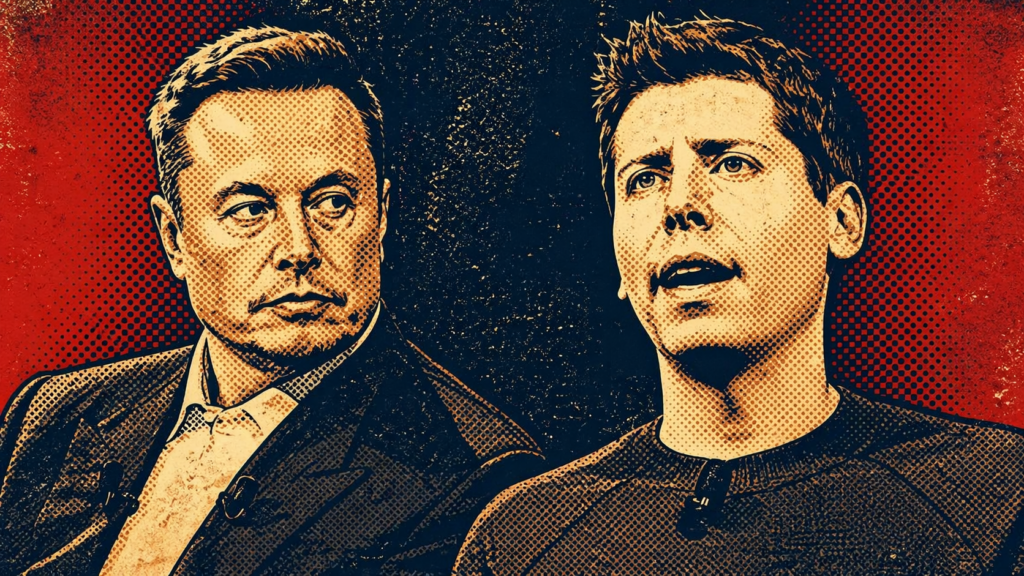
Billionaire Tech Dispute Puts Jury System Under Spotlight
A high-profile legal battle between Elon Musk and Sam Altman is shaping up to test how the U.S. jury system handles disputes involving some of the most powerful figures in the technology industry. The case centers on governance, control, and the original mission of OpenAI, the artificial intelligence organization both men were once closely associated with.
The dispute traces back to OpenAI’s founding, when it was established as a nonprofit entity focused on ensuring that artificial intelligence would benefit humanity broadly rather than serve narrow corporate interests. Musk, one of the early backers, has argued that the organization has since strayed from that mission, particularly after forming a for-profit arm and deepening its commercial partnerships.
Musk’s lawsuit alleges that OpenAI and its leadership, including Altman, effectively breached the organization’s founding principles by prioritizing profit and forming exclusive arrangements that contradict its original nonprofit purpose. He claims that these actions amount to a betrayal of the commitments made when OpenAI was created and has sought legal remedies that could potentially alter the company’s structure or operations.
Altman and OpenAI, on the other hand, have pushed back strongly against these claims. They argue that the organization’s evolution was necessary to secure funding and remain competitive in the rapidly advancing field of artificial intelligence. According to their position, the hybrid structure—combining nonprofit oversight with for-profit capabilities—enables OpenAI to pursue its mission more effectively, not less.
What makes this case particularly notable is not just the substance of the dispute but the procedural questions it raises about the jury system. Legal analysts suggest that the involvement of globally recognized figures like Musk and Altman could influence how jurors perceive the case. Issues such as wealth, public reputation, and media coverage may play a role in shaping juror attitudes, potentially complicating efforts to ensure a fair and impartial trial.
One key concern is whether jurors can set aside preconceived notions about high-profile individuals. Musk, known for his outspoken public persona and leadership of multiple major companies, often generates strong opinions. Altman, while less publicly polarizing, is still a central figure in one of the most influential AI organizations in the world. The visibility of both individuals may make it difficult to assemble a jury without prior exposure to the case or the parties involved.

Another important issue is the complexity of the subject matter. The case involves intricate questions about corporate governance, nonprofit law, and advanced technology—topics that may be challenging for jurors without specialized knowledge. Courts will likely need to ensure that evidence and arguments are presented in a way that is accessible and understandable, while still accurately reflecting the technical and legal nuances.
The case also highlights broader questions about how the legal system handles disputes involving emerging technologies. As artificial intelligence becomes increasingly central to the global economy, conflicts over its development, ownership, and ethical use are likely to become more common. This lawsuit could set precedents not only for corporate governance but also for how courts address disputes in rapidly evolving industries.
Additionally, the case underscores tensions between idealistic founding principles and practical business realities. Many tech organizations begin with mission-driven goals but later adapt to financial and competitive pressures. The outcome of this dispute may influence how courts interpret such transitions, particularly when original commitments are informal or broadly defined.
If the case proceeds to trial, it could become a landmark moment in both corporate and legal history. A jury decision would not only resolve the dispute between Musk and Altman but could also shape public and legal expectations for accountability in tech leadership.
Ultimately, the Musk vs. Altman case represents more than a personal or corporate conflict. It serves as a test of the legal system’s ability to handle high-stakes disputes involving influential figures, complex technologies, and evolving organizational models—raising fundamental questions about fairness, transparency, and the role of juries in modern litigation.

⚖️ Key Legal Outcomes
- Elon Musk filed lawsuit over alleged breach of OpenAI’s founding mission
- Case challenges governance structure of OpenAI
- Sam Altman and OpenAI deny wrongdoing
- Case may proceed to jury trial involving complex corporate issues
- Raises procedural concerns about jury impartiality in high-profile cases
📊 Why It Matters
- Tests fairness of jury trials involving powerful public figures
- Could shape future governance of AI companies and nonprofits
- Highlights tension between mission-driven goals and commercialization
- Influences how courts handle complex tech-related disputes
- May set precedent for accountability in emerging industries
