
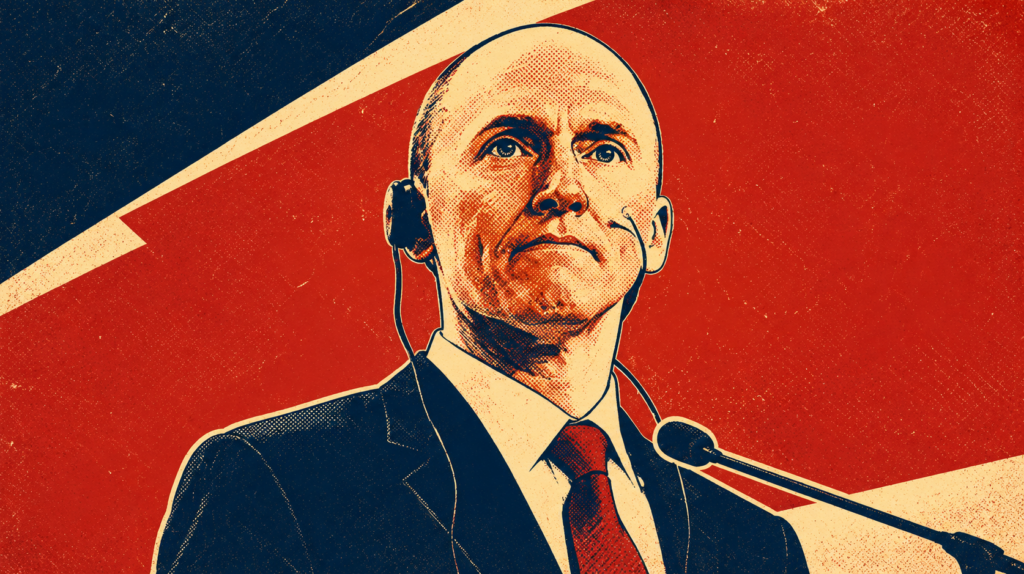
Carter Page Loses FBI Lawsuit Fight
The U.S. Supreme Court has declined to hear an appeal from former Trump campaign adviser Carter Page, effectively ending his effort to revive a lawsuit against former FBI officials whom he accused of unlawfully surveilling him during the federal investigation into Russian interference in the 2016 presidential election. The decision leaves intact lower court rulings that dismissed Page’s claims and represents another legal conclusion stemming from the long-running controversy surrounding the FBI’s Russia probe.
Page, who served as a foreign policy adviser to Donald Trump’s 2016 presidential campaign, became one of the most prominent figures scrutinized during the FBI’s investigation into possible links between Trump associates and Russia. Federal investigators obtained surveillance warrants targeting Page through the Foreign Intelligence Surveillance Court (FISC), citing concerns about his contacts with Russian officials and intelligence-linked individuals. Page consistently denied any improper relationship with Russia and was never charged with a crime.
The lawsuit targeted several former FBI officials, including former FBI Director James Comey, alleging they improperly secured and renewed surveillance warrants that allowed the government to monitor Page’s communications. Page argued that officials relied on flawed or misleading information when seeking authorization from the secret surveillance court and that the resulting monitoring violated his constitutional rights.
The controversy surrounding the surveillance intensified after a 2019 report by the Justice Department’s Inspector General identified numerous errors and omissions in the FBI’s applications for surveillance warrants. The report criticized aspects of the warrant process and found that the FBI failed to meet expected standards of accuracy and completeness in certain submissions. One of the most significant findings involved former FBI attorney Kevin Clinesmith, who admitted altering an email that was later used during the surveillance process.
Despite those findings, federal courts repeatedly rejected Page’s claims. Lower courts ruled that his lawsuit was filed too late under applicable statutes of limitations and that several procedural barriers prevented the claims from moving forward. Judges also noted deficiencies in how the lawsuit was structured, including issues involving which government officials were named as defendants.

Page sought Supreme Court review after the U.S. Court of Appeals for the District of Columbia Circuit concluded that his legal challenge was untimely. He argued that the clock for filing his lawsuit should have begun when government misconduct became publicly acknowledged rather than when reports about the surveillance first emerged. The Supreme Court, however, declined to hear the appeal without comment, as is customary in most cases involving denied petitions.
The ruling effectively closes one of the last major civil lawsuits connected to the FBI’s surveillance of Page. Although he failed to revive the claims against former FBI officials, Page previously reached a settlement with the federal government reportedly worth approximately $1.25 million relating to aspects of the surveillance controversy. That settlement did not constitute an admission of wrongdoing by the government.
The case has remained politically significant because it became a central argument for Trump and his supporters, who have long maintained that federal law enforcement agencies improperly targeted members of the Trump campaign during the Russia investigation. Critics of the surveillance process point to the Inspector General’s findings as evidence of serious misconduct, while defenders of the broader investigation note that multiple reviews found Russia interfered in the 2016 election and that the surveillance issues did not invalidate all aspects of the inquiry.
Legal analysts say the Supreme Court’s decision does not address whether the surveillance itself was lawful or unlawful. Instead, the Court simply allowed lower-court rulings to stand, meaning the justices did not weigh in on the underlying merits of Page’s claims. Such denials are common and generally do not indicate agreement or disagreement with the lower courts’ reasoning.
The outcome nevertheless marks the end of a closely watched legal challenge tied to one of the most consequential political investigations in modern American history. With the Supreme Court refusing review, Carter Page’s efforts to hold former FBI officials personally liable for the surveillance campaign have effectively come to a close.

⚖️ Key Legal Outcome
- The U.S. Supreme Court declined to hear Carter Page’s appeal.
- Lower court dismissal of Page’s lawsuit remains in effect.
- Page sought to sue former FBI officials, including James Comey, over surveillance warrants.
- Courts ruled that Page’s claims were filed too late under legal deadlines.
- The decision effectively ends the lawsuit against the former FBI officials.
📌 Why It Matters
- Closes a major legal chapter linked to the Trump-Russia investigation.
- Reinforces procedural limits on lawsuits against federal officials.
- Highlights continuing fallout from FBI surveillance controversies.
- Underscores the importance of statutes of limitations in civil rights litigation.
- Keeps public attention on government surveillance oversight and accountability.
