
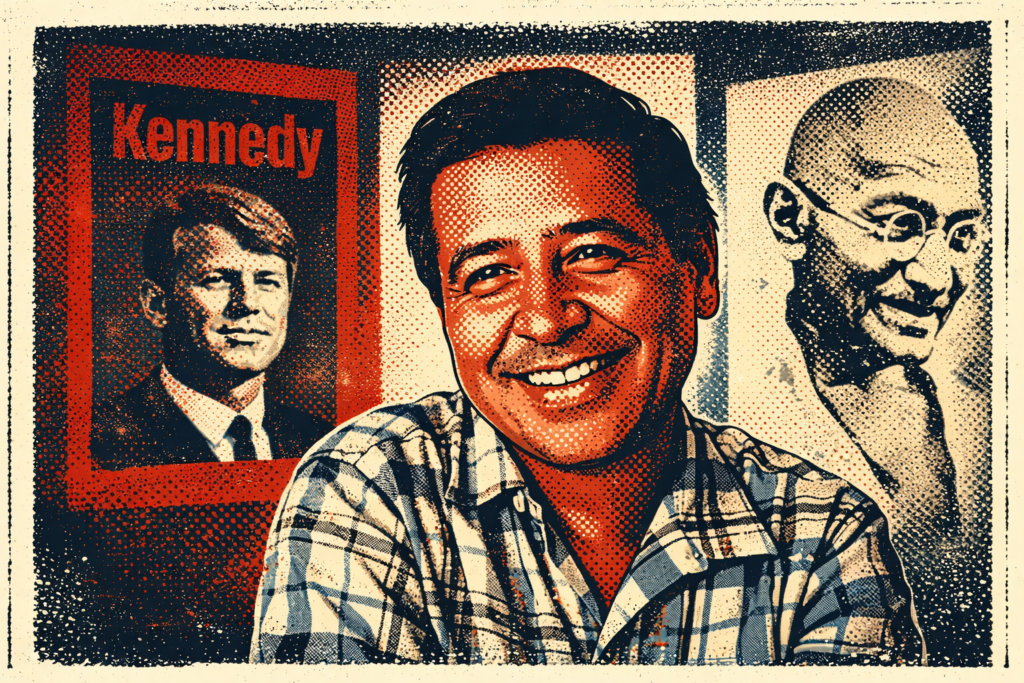
Chavez Legacy Questioned After Abuse Allegations
A major national controversy has erupted following new allegations that late labor leader Cesar Chavez sexually abused multiple women and girls, including fellow civil rights icon Dolores Huerta. The accusations, brought to light through a recent investigation, have triggered widespread calls across the United States to remove Chavez’s name from public institutions, holidays, and landmarks.
Chavez, long celebrated as a champion of farmworkers’ rights and co-founder of the United Farm Workers (UFW), had been honored for decades with schools, streets, parks, and even a commemorative holiday bearing his name. However, the newly surfaced allegations have dramatically altered public perception of his legacy.
The accusations include claims from multiple women who say Chavez abused them, some when they were minors. Among the most significant revelations is Huerta’s statement that Chavez sexually assaulted her in the 1960s. She said she remained silent for decades out of fear that speaking out would harm the farmworker movement they helped build together.
Additional allegations suggest a broader pattern of misconduct, including claims that Chavez groomed and abused young girls over several years. These reports have intensified scrutiny, especially given Chavez’s position of power within the labor movement at the time.
In response, leaders across multiple states—including California, Arizona, and Texas—have begun taking action. Events celebrating Chavez Day have been canceled, and lawmakers are pushing to rename the holiday to something more inclusive, such as “Farmworkers Day.”
Beyond holidays, institutions nationwide are reevaluating whether Chavez’s name should remain on public sites. Cities are considering renaming streets, schools, and buildings, while some organizations have already taken immediate steps—such as covering statues or removing his name from halls of fame.
The movement to remove Chavez’s name reflects a broader societal trend of reassessing historical figures in light of new information about their personal conduct. Supporters of the changes argue that honoring individuals accused of serious misconduct undermines the values those honors are meant to represent. They believe public recognition should align with ethical integrity, especially when it comes to figures associated with justice and equality.

However, the situation is not without complexity. Chavez remains a deeply influential figure in American labor history, credited with improving working conditions for farmworkers and leading major organizing efforts. Some advocates caution against erasing his contributions entirely, instead calling for a more nuanced approach that acknowledges both his achievements and the allegations against him.
The response from Chavez’s family has also added another dimension to the story. In public statements, family members expressed devastation over the allegations while voicing support for the individuals who came forward. They emphasized the importance of acknowledging the truth while also recognizing Chavez’s historical impact.
The controversy has also sparked broader conversations about power dynamics within social movements. Critics note that individuals in positions of authority—like Chavez during the height of the UFW—can exert significant influence, which may discourage victims from speaking out. The fact that many of these allegations surfaced decades later underscores the challenges survivors often face in coming forward.
Legally, the case is complicated by the fact that Chavez died in 1993, meaning no criminal proceedings can take place. Instead, the focus has shifted to public accountability and how society chooses to remember historical figures. The debate is less about legal consequences and more about moral responsibility and public commemoration.
Ultimately, this developing story represents a turning point in how Chavez’s legacy is understood. As more institutions reconsider their associations with his name, the outcome will likely shape not only how he is remembered but also how similar cases are handled in the future.

Key Legal Outcomes
-
No criminal case possible due to Chavez’s death in 1993.
-
Allegations stem from investigative reporting and survivor testimonies.
-
Public institutions initiating policy and naming changes in response.
-
Government bodies considering renaming official holidays and landmarks.
-
Case highlights legal limits of accountability for historical figures.
Why It Matters
-
Sparks nationwide reassessment of public honors and historical figures.
-
Highlights importance of accountability despite delayed reporting.
-
Raises awareness of abuse within powerful social movements.
-
Impacts cultural memory of a major labor rights leader.
-
Reflects broader societal shift toward re-evaluating legacy and ethics.
