
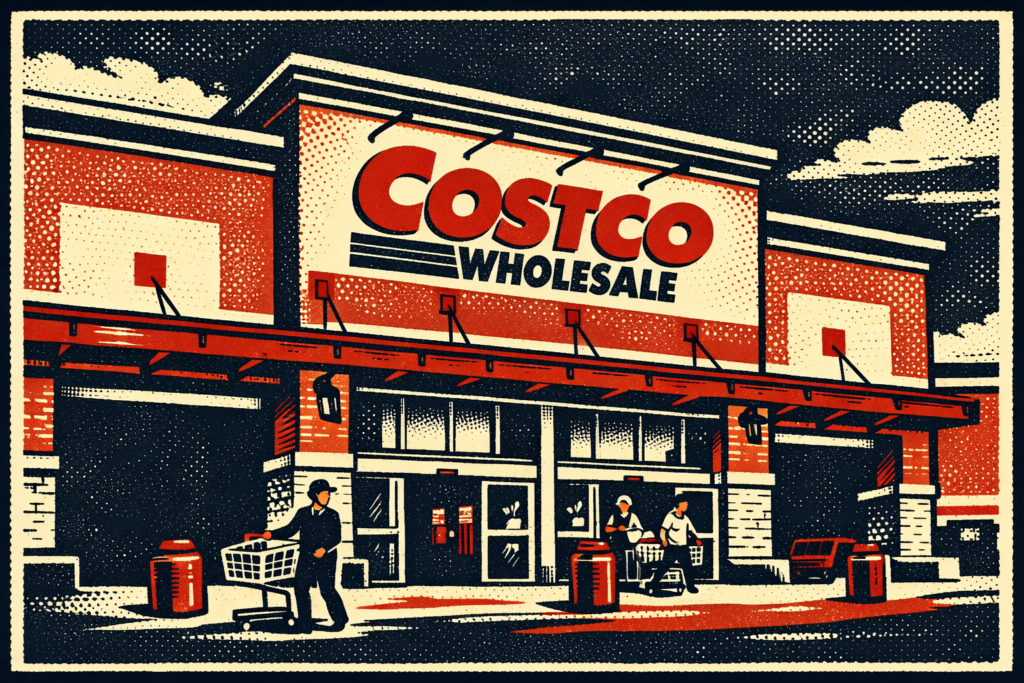
Class Action Filed Over Tariff Overcharges
Customers of Costco Wholesale Corporation are initiating a legal challenge asking the company to share potential refunds with consumers for higher prices paid on products affected by tariffs that a U.S. court found were imposed unlawfully. The dispute stems from tariffs introduced under the administration of Donald Trump, applied using emergency powers under the International Emergency Economic Powers Act (IEEPA). Earlier in 2026, the U.S. Supreme Court ruled that the use of IEEPA to impose those tariffs was unlawful, creating a pathway for importers and consumers to seek refunds of tariff charges.
In response, Matthew Stockov, a member of Costco, filed a proposed nationwide class action in federal court in Illinois asking the court to declare that Costco must return tariff refunds it receives from the federal government to its customers. The complaint argues that Costco received higher prices from consumers at the register because of the tariffs and should not keep the tariff recoveries for itself.
According to the filing, Costco’s leadership has indicated that any refunds resulting from tariff repayments would be used to reduce prices and enhance value in the future, but the lawsuit asserts that such intentions are inadequate. Customers, the complaint states, should receive the direct benefit of refunds rather than indirect or speculative future price adjustments.
Costco is one of thousands of companies that joined litigation against the U.S. government seeking tariff refunds after the Supreme Court decision. The tariffs at issue covered billions of dollars’ worth of imported goods, and the legal fight over refunds has significant repercussions for global supply chains and corporate pricing strategies.

At the same time, U.S. Customs and Border Protection (CBP) is building the system that will process tariff refund claims. According to agency officials, this system was between 40% and 80% complete as of March 2026, and the timeline for completion was projected for mid‑April 2026. Until the refund mechanism is operational, companies have no clear process for recovering tariff payments, let alone distributing potential refunds further down the supply chain.
The Costco lawsuit is not the only consumer action of its kind. A similar class action was filed against FedEx by customers seeking compensation for tariff costs passed on through shipping and freight charges. These consumer suits reflect growing questions about who ultimately bears the cost of tariffs and whether corporations should be obligated to share refunds with buyers.
Trade experts say this wave of litigation highlights the practical impact tariffs have on retail prices. Although tariffs are legally a charge on importers, they typically ripple through supply chains, eventually affecting consumer costs. In Costco’s case, pricing is central to its business model: membership retailing at low margins. Because of this focus on value, the question of how tariff refunds are distributed could have significant implications for customer trust and competitive positioning.
The consumer lawsuit also puts attention on a broader legal gap: federal law does not explicitly instruct companies on how to handle tariff refunds in relation to downstream buyers. While importers seek refunds for overpaid tariffs, it remains unsettled whether companies have legal obligations to pass those savings to customers. Some legal analysts note that, historically, refunds have been limited to direct importers and not downstream consumers, creating a gray area that courts could now clarify.
Meanwhile, the broader tariff refund claims have grown into a complex legal and administrative effort. Claims totaling tens of billions of dollars continue to work through the U.S. Court of International Trade and the forthcoming CBP system — making this one of the largest tariff reversal efforts in recent U.S. history. As these processes unfold, companies like Costco and FedEx face dual pressure: recovering money from the government and determining whether those recoveries should benefit end consumers.

📌 Key Legal Outcomes
-
Nationwide class‑action complaint filed against Costco seeking customer shares of tariff refunds.
-
The lawsuit asks the court to declare that Costco must return tariff reimbursements to customers who paid higher prices.
-
A similar class action against FedEx reflects a wider consumer legal strategy.
-
CBP is building a tariff refund system that is not yet completed, delaying how refunds are processed.
-
The case emerges against the backdrop of importers’ broader legal efforts to recover billions in tariff overpayments after the Supreme Court ruling.
❗ Why It Matters
-
Consumer pricing impact — It addresses whether retail customers should benefit from tariff refunds when tariffs affected product prices.
-
Legal precedent — A ruling could shape how tariff refund laws are applied to downstream buyers.
-
Corporate obligations — It tests expectations for how companies handle government refunds in relation to consumer interests.
-
Retail economics — The lawsuit highlights broader pressures on pricing strategies amid large shifts in trade policy.
-
Government administration — The case underscores the complexity of implementing tariff refund structures after a major Supreme Court ruling.

