
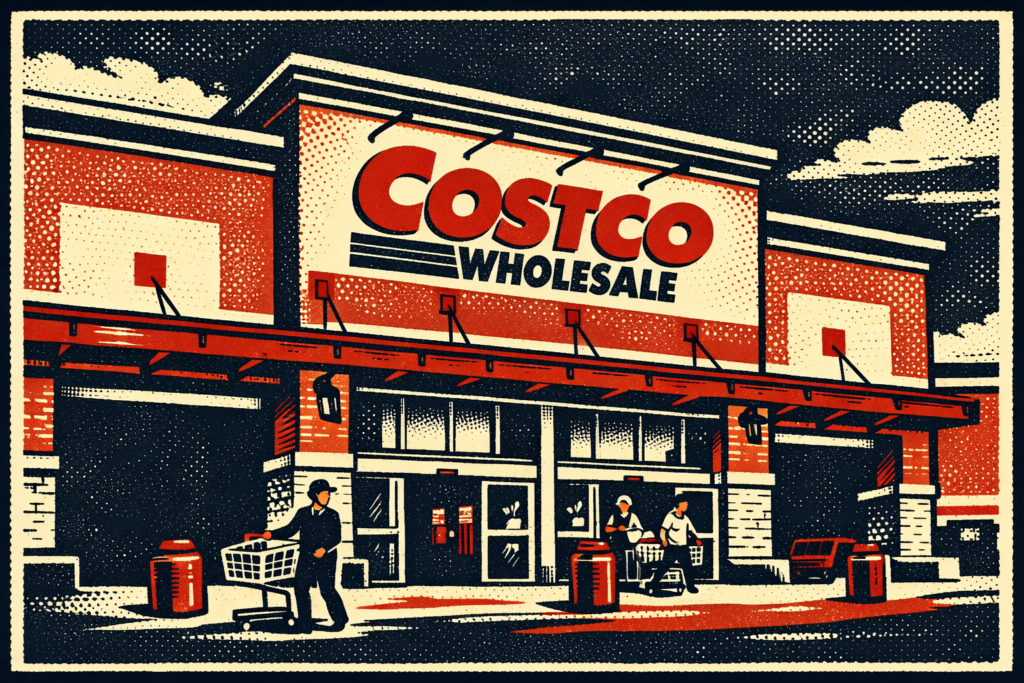
Class-action Lawsuit Targets Costco Memberships
A new class-action lawsuit has been filed against Costco Wholesale Corporation, challenging aspects of its membership program and raising concerns about consumer rights and billing practices. The lawsuit alleges that Costco’s automatic membership renewal system may violate consumer protection laws by charging customers without providing clear and adequate disclosure or consent.
According to the complaint, the plaintiffs argue that Costco enrolled members into an auto-renewal system that charges annual membership fees without sufficiently informing customers of the recurring nature of the charges or obtaining proper authorization. The lawsuit claims that many consumers were unaware that their memberships would automatically renew, leading to unexpected charges on their credit or debit cards.
The case focuses on whether Costco complied with state consumer protection and automatic renewal laws, which typically require businesses to clearly disclose subscription terms, obtain affirmative consent, and provide easy cancellation mechanisms. Plaintiffs allege that Costco’s practices may have fallen short of these requirements, potentially misleading consumers and causing financial harm.
Costco, known for its membership-based retail model, relies heavily on annual membership fees as a key component of its business. Customers pay a yearly fee in exchange for access to warehouse stores, discounted products, and exclusive deals. The lawsuit does not challenge the membership model itself but instead targets how renewals are handled and communicated to customers.
The plaintiffs are seeking financial compensation, restitution, and injunctive relief, which could require Costco to change its billing practices moving forward. If successful, the case could lead to refunds for affected customers and modifications to how the company discloses and processes membership renewals.
Legal experts note that automatic renewal lawsuits have become increasingly common across industries, particularly with the rise of subscription-based services. Courts have been closely scrutinizing whether companies provide clear disclosures and obtain proper consent before charging consumers on a recurring basis. These cases often hinge on technical compliance with disclosure requirements rather than broader questions about the value of the service itself.

Costco has not admitted wrongdoing, and the lawsuit represents only the plaintiffs’ allegations at this stage. The company is expected to defend its practices, potentially arguing that its membership terms are clearly disclosed and that customers are informed of renewal policies when they sign up. Costco may also point to cancellation options and customer service policies as evidence that it provides adequate notice and control to members.
If the case proceeds, it could move through several stages, including motions to dismiss, discovery, and potentially a class certification decision. If the court certifies the case as a class action, it could cover a large number of Costco members who were subject to automatic renewal charges during the relevant time period.
The outcome of the lawsuit could have broader implications beyond Costco. A ruling against the company could prompt other subscription-based businesses to review and update their auto-renewal practices to ensure compliance with consumer protection laws. It could also encourage regulators to more aggressively enforce existing rules governing subscription billing.
For consumers, the case highlights the importance of understanding subscription terms and monitoring recurring charges. Automatic renewals are common across many industries, from retail memberships to digital services, and disputes often arise when customers are not fully aware of how or when they will be billed.
Ultimately, the lawsuit underscores a growing legal focus on transparency in subscription services and the balance between business convenience and consumer protection. As the case develops, it may set important precedents regarding how companies must communicate recurring billing practices and obtain customer consent.

⚖️ Key Legal Outcomes
- Class-action lawsuit filed against Costco Wholesale Corporation over membership auto-renewals
- Plaintiffs allege failure to properly disclose recurring charges
- Case challenges compliance with automatic renewal and consumer protection laws
- Plaintiffs seek refunds, damages, and changes to billing practices
- Costco denies wrongdoing; case is in early litigation stage
📊 Why It Matters
- Impacts millions of subscription and membership-based consumers
- Could force changes in auto-renewal disclosure practices
- Highlights growing scrutiny of recurring billing systems
- May lead to refunds or compensation for affected members
- Sets potential precedent for future subscription-related lawsuits
