
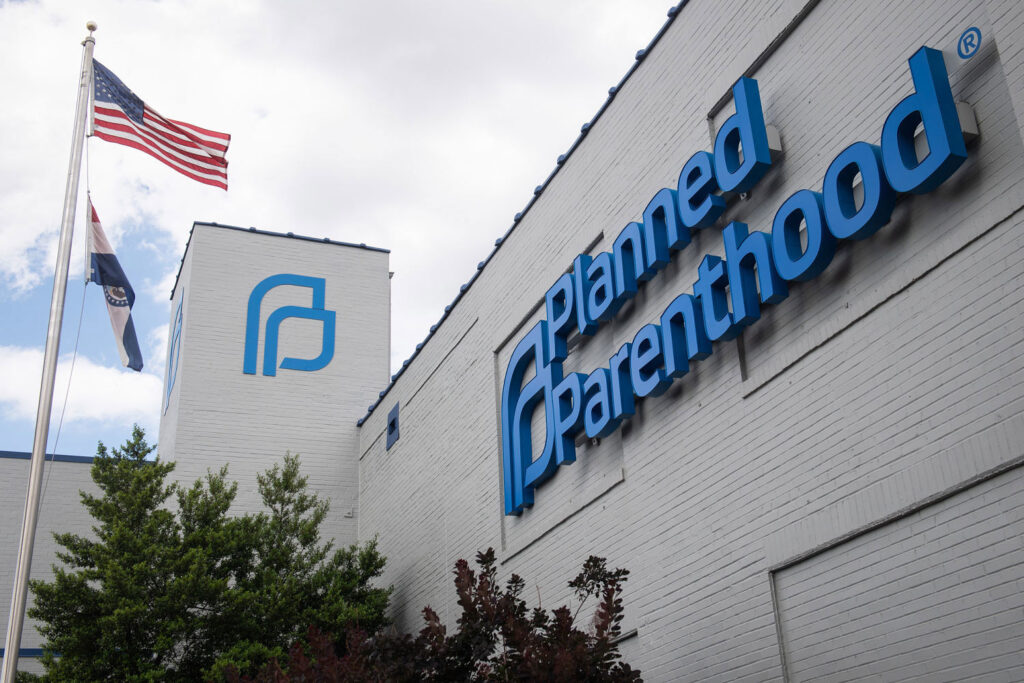
Court allows Trump administration to end Planned Parenthood’s Medicaid funding
In a major ruling with sweeping implications for reproductive health access, the First U.S. Circuit Court of Appeals has allowed the Trump administration to enforce a law stripping Medicaid funding from Planned Parenthood and its affiliates that provide abortion services. The decision lifts a lower court injunction and opens the door for the administration to carry out one of its most consequential policy victories under the One Big Beautiful Bill Act.
The court rejected arguments that the funding ban amounted to unconstitutional punishment—known legally as a bill of attainder—and instead framed the measure as a permissible exercise of congressional spending power. By severing Planned Parenthood and affiliates from Medicaid dollars, the ruling jeopardizes funding streams that support roughly 200 clinics across 24 states, many of which serve low-income communities with limited healthcare access.

Planned Parenthood and allied organizations argued the law unfairly punished affiliates that do not directly perform abortions, while also violating First Amendment and equal protection rights. U.S. District Judge Indira Talwani had previously sided with these arguments, halting the policy through a preliminary injunction. But the appeals court overturned her order, stressing that Congress retains broad authority to direct taxpayer money and define eligibility for federal healthcare programs.
The ruling represents not only a policy victory for Trump but also a legal precedent with national consequences, as other states and administrations may now feel emboldened to pass similar restrictions. It sets the stage for further litigation, potentially escalating toward the Supreme Court, especially given the clash between federal spending power and constitutional protections raised by the plaintiffs.

Key Legal Outcomes
-
Appeals court lifts injunction: The First Circuit overturned Judge Indira Talwani’s order that had blocked the law, clearing the way for enforcement.
-
No bill of attainder violation: The court ruled the measure does not constitute unconstitutional legislative punishment.
-
Congressional spending power upheld: Judges affirmed Congress can lawfully condition Medicaid funds, even if affiliates do not directly provide abortions.
-
Lower court’s constitutional concerns dismissed: Talwani’s findings on equal protection and free speech were rejected at this stage.
-
Nationwide impact: About 200 Planned Parenthood clinics in 24 states now risk losing Medicaid funding, raising broader access-to-healthcare challenges.
Why It Matters
-
Threat to healthcare access: Millions of low-income women may lose affordable reproductive and preventive care if clinics close.
-
Precedent for future laws: The ruling could encourage other states or administrations to restrict Medicaid funding for providers linked to abortion services.
-
Impact on constitutional debate: The decision narrows how courts interpret protections around equal treatment and free speech in healthcare funding.
-
Heightened political stakes: The ruling energizes both abortion-rights advocates and anti-abortion groups ahead of the 2026 midterms.
-
Path to Supreme Court: The legal clash over federal spending power versus constitutional rights could become a landmark case.
Publication Details & Source
- Publication Date: September 11, 2025
- Source: Reuters — Court allows Trump administration to end Planned Parenthood’s Medicaid funding
