
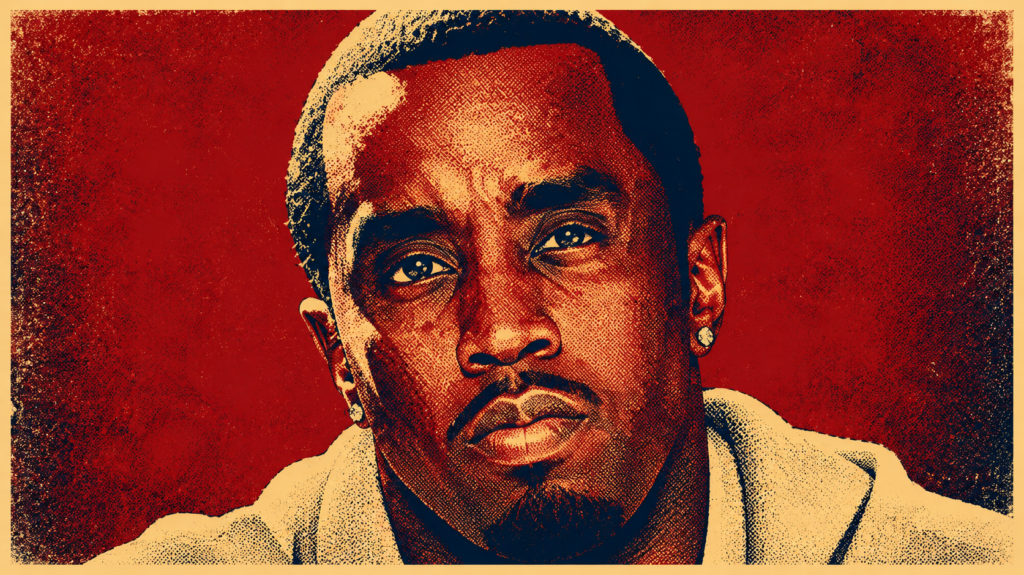
Diddy Loses $100M Suit, Owes $477,700 to NBC
Sean “Diddy” Combs has been ordered to pay $477,700.50 in attorneys’ fees to NBCUniversal Media, Peacock TV and production company Ample LLC after losing his $100 million defamation lawsuit over the documentary Diddy: The Making of a Bad Boy. The October 6, 2026 ruling followed an earlier decision dismissing Combs’ amended complaint under New York’s anti-SLAPP protections for speech involving public participation.
Combs filed the lawsuit in February 2025, seeking at least $100 million in damages. His complaint alleged that the documentary defamed him by presenting or discussing allegations involving murder, sexual misconduct, sex trafficking and other serious conduct. Combs argued that the documentary caused significant reputational and economic harm. The defendants denied liability and moved to dismiss the case under New York’s anti-SLAPP statute, which provides heightened protection against lawsuits targeting speech on matters of public interest.
In an April 20, 2026 decision, New York Supreme Court Justice Phaedra F. Perry-Bond granted the defendants’ motion to dismiss. The court concluded that Combs had not established the substantial basis required to proceed with his defamation claims under the applicable anti-SLAPP standard. The court specifically examined whether the documentary had been produced with the level of gross irresponsibility required for a private plaintiff to maintain a defamation claim against media defendants.
The court found that the documentary included multiple perspectives and that the defendants had taken steps to verify information and present responses. The documentary also included statements reflecting Combs’ position and denials concerning allegations against him. The court determined that the record did not establish that the defendants acted in a grossly irresponsible manner when producing or publishing the documentary.
The judge also considered the question of reputational harm. The decision noted that substantial public reporting, lawsuits, criminal proceedings and other widely publicized events involving Combs had already affected his public reputation before the documentary was released. The court concluded that Combs had not demonstrated a sufficient basis for establishing that the documentary caused the additional reputational injury required for his claim. Importantly, the dismissal did not constitute a judicial finding that every allegation discussed in the documentary was true. Rather, the court determined that Combs had not met the legal requirements necessary to pursue his defamation claim against the defendants.
After winning dismissal, NBCUniversal and the other defendants sought reimbursement for their attorneys’ fees. Their initial request totaled $990,292. The defendants argued that the amount reflected the extensive legal work required to defend against the $100 million lawsuit, including work by six attorneys and preparation for multiple motions and court proceedings.

Combs opposed the fee request and argued that the defendants should receive substantially less. The court ultimately agreed that significant portions of the billing were excessive, although it did not find the attorneys’ hourly rates themselves unreasonable. The rates ranged from $915 to $1,980 per hour, and the court concluded that the complexity and publicity of the case, the amount of damages sought, the attorneys’ experience and the quality of their work justified maintaining those rates.
The court nevertheless reduced the amount of compensable work. Among other reductions, the judge found excessive billing for internal meetings and discussions, preparation for oral arguments, work on the initial motion to dismiss and preparation of a reply brief. The court also reduced additional fees incurred while the parties were litigating the fee application. In total, the court cut $512,591.50 from the defendants’ request and awarded $477,700.50.
The ruling illustrates the potential financial consequences of unsuccessful defamation litigation under New York’s anti-SLAPP framework. The case was not simply dismissed without financial consequences; because the defendants prevailed under the applicable anti-SLAPP provisions, the court determined they were entitled to recover attorneys’ fees.
For Combs, the latest order adds a substantial financial obligation to a lawsuit in which he originally sought $100 million. The ruling also demonstrates that courts can scrutinize fee applications even when a prevailing party is legally entitled to reimbursement. Here, the court preserved the defendants’ entitlement to fees while substantially reducing the amount requested after reviewing the billing records.
The fee ruling does not end every legal issue surrounding Combs’ broader litigation, and his earlier dismissal order was appealed. But in this particular case, the immediate result is clear: the defendants successfully defeated his defamation lawsuit, and Combs has been ordered to pay $477,700.50 toward their legal expenses.

Key Legal Outcome
- Sean Combs was ordered to pay $477,700.50 in attorneys’ fees.
- The award followed dismissal of his $100 million defamation lawsuit.
- The court applied New York’s anti-SLAPP protections in dismissing the complaint.
- The judge reduced the defendants’ $990,292 fee request by $512,591.50.
- The court found some billing excessive while allowing the attorneys’ hourly rates to stand.
Why It Matters
- The ruling highlights the financial risks of unsuccessful defamation litigation.
- New York’s anti-SLAPP law can provide strong protection for speech on public issues.
- Prevailing defendants may recover substantial legal fees in qualifying cases.
- Courts can independently review and reduce excessive attorney billing.
- The case demonstrates how a large damages claim can lead to significant litigation costs.
