
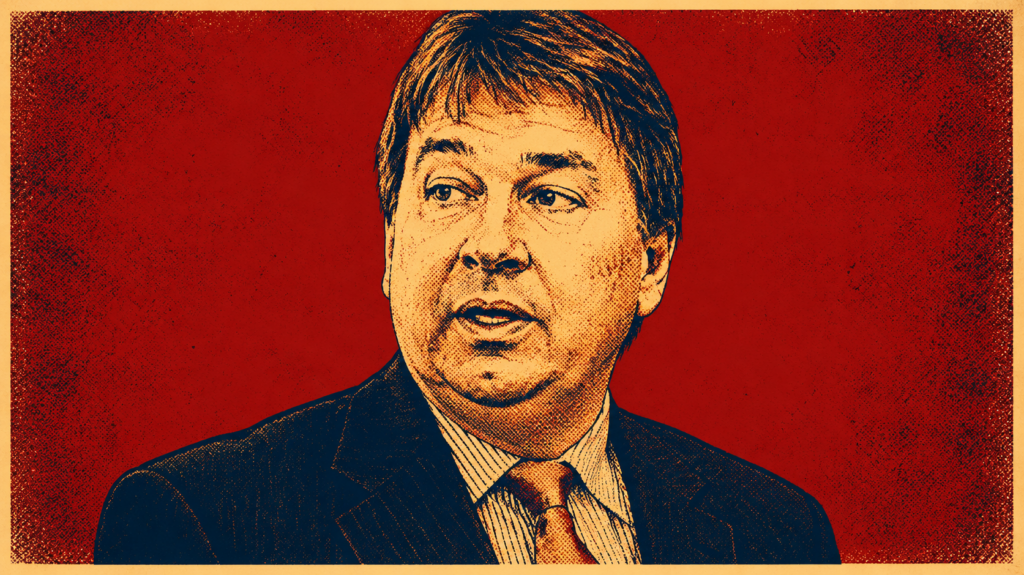
Disbarred Attorney Admits Corruption Scheme
The Man at the Center
Thomas Clear III was a well-known Albuquerque defense attorney who specialized in DWI cases. According to his plea agreement, he admitted to leading what federal prosecutors called the “DWI Enterprise,” a criminal operation that used bribery, racketeering, and extortion to help certain DWI defendants avoid legal consequences.
He pleaded guilty to:
- Racketeering conspiracy
- Bribery
- Extortion-related charges
He was subsequently suspended and then permanently disbarred, ending his legal career.
How the Scheme Allegedly Worked
The operation was surprisingly simple.
According to court filings, officers who arrested drunk drivers were paid cash, gifts, and other benefits. In return, those officers would intentionally fail to appear at hearings, interviews, or court proceedings where their testimony was necessary. Without the arresting officer present, defense attorneys could seek dismissal of the charges.
Federal investigators say the scheme evolved into a structured enterprise where:
- Officers referred DWI defendants to Clear’s law firm.
- Clients paid substantial legal fees.
- Corrupt officers were compensated.
- Cases were dismissed because key witnesses failed to appear.

Why This Scandal Is So Extraordinary
1. It May Have Lasted Nearly 30 Years
One of the most shocking allegations is the timeline.
Court documents cited by prosecutors suggest the operation dates back to the mid-1990s and may have continued for nearly three decades. Clear himself reportedly admitted that the scheme grew over time and became embedded within much of Albuquerque’s DWI enforcement structure.
2. Multiple Agencies Were Implicated
This wasn’t limited to a few rogue officers.
Investigators say members of:
- Albuquerque Police Department (APD)
- Bernalillo County Sheriff’s Office
- New Mexico State Police
were involved in various aspects of the operation. Numerous officers resigned, were placed on leave, or became subjects of investigation.
3. Hundreds of Cases Were Affected
The fallout has been massive.
Authorities and prosecutors have had to review hundreds of DWI cases connected to officers under investigation. Reports indicate more than 200 DWI cases were dismissed or reexamined because officer credibility had become compromised.
4. The Alleged Culture Was Passed Down
One of the most disturbing aspects of the federal allegations is that some participating officers allegedly recruited and trained newer officers to continue the scheme.
Federal filings describe a “next generation” of officers being brought into the operation, suggesting corruption became institutional rather than isolated.
5. The Public Safety Impact
This was not simply a financial crime.
Every DWI case that disappeared potentially put impaired drivers back on the road. In plea documents, participants acknowledged that their conduct increased the risk of future drunk-driving incidents and undermined public safety.

The Bigger Legal Story
What makes this scandal especially significant is that it strikes at all three pillars of the justice system:
- Law enforcement
- Defense attorneys
- Court proceedings
The justice system depends on each side following ethical and legal rules. Prosecutors can lose cases, defense lawyers can win cases, and officers can make mistakes—but outright bribery and coordinated manipulation of court appearances attack the legitimacy of the entire process.
What Happens Next?
Several participants have already pleaded guilty, but investigators have indicated the inquiry is ongoing. Additional prosecutions, disciplinary actions, civil lawsuits, and case reviews remain possible as authorities continue examining the scope of the operation.
The Bottom Line
The downfall of Thomas Clear III is only one chapter in a much larger story. Federal investigators describe a long-running system in which legal professionals and law enforcement officers allegedly worked together to make DWI cases disappear for paying clients. If the full scope of the allegations is confirmed, the “DWI Enterprise” could become a case study in how corruption can spread through institutions when oversight fails for years.
