
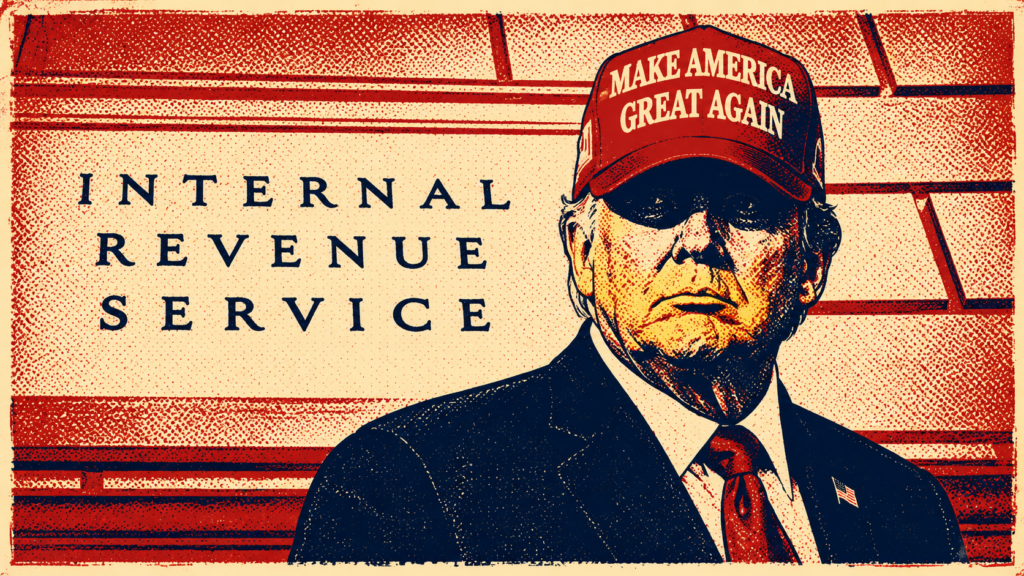
DOJ Drops Tax Claims Against Trump
The U.S. Department of Justice agreed to permanently stop pursuing certain tax claims and audits involving President Donald Trump, his family, and affiliated businesses as part of a controversial settlement resolving Trump’s $10 billion lawsuit against the Internal Revenue Service over leaked tax returns. The agreement has sparked intense criticism from legal experts, lawmakers, and former IRS officials who say the arrangement may create an unprecedented shield against government tax enforcement.
The dispute began after Trump sued the IRS and Treasury Department earlier this year, alleging the government failed to protect confidential tax records that were leaked to media organizations. The lawsuit centered on disclosures made by former IRS contractor Charles Littlejohn, who admitted illegally leaking tax information connected to Trump and wealthy Americans. Trump and his family argued the leaks caused reputational and financial harm while violating federal privacy protections.
Under the newly expanded settlement agreement, the Justice Department agreed the U.S. government would be “forever barred and precluded” from pursuing certain tax claims, audits, or related enforcement actions involving Trump, his relatives, and affiliated entities tied to tax filings submitted before the agreement took effect. The addendum was reportedly signed by Acting Attorney General Todd Blanche, who previously served as Trump’s personal defense attorney.
The settlement significantly broadened an earlier agreement announced the previous day. Initially, Trump agreed to drop his $10 billion lawsuit in exchange for a formal government apology and the creation of a nearly $1.8 billion “Anti-Weaponization Fund” designed to compensate individuals claiming they were unfairly targeted by politically motivated government investigations.
Critics quickly focused on the expanded tax immunity provision, arguing it may improperly interfere with the independence of the IRS and create a dangerous precedent by shielding a sitting president and his family from future scrutiny involving prior tax filings. Former IRS Commissioner John Koskinen reportedly described the arrangement as a “terrible precedent,” while other former officials said they were unaware of any comparable agreement permanently preventing the IRS from examining previously filed returns for specific individuals or businesses.
Legal experts also questioned whether executive branch officials possess the authority to broadly waive IRS enforcement powers involving a president’s personal tax matters. Traditionally, IRS audits — particularly mandatory presidential audits — are intended to operate independently from political influence. Critics argue the settlement may blur the line between presidential authority and personal financial interests.

The controversy intensified during congressional hearings where Acting Attorney General Todd Blanche faced sharp questioning from lawmakers regarding both the tax settlement and the “Anti-Weaponization Fund.” Democratic lawmakers characterized the compensation fund as opaque and potentially vulnerable to abuse because the administration controls appointments overseeing payouts connected to alleged political targeting claims.
According to reports, the settlement does not provide direct cash payments to Trump or his sons. Instead, Trump agreed to dismiss multiple claims against the government involving the IRS tax leak dispute, the Mar-a-Lago investigation, and other alleged politically motivated actions. In return, the administration established the compensation fund and added protections tied to prior tax examinations.
The agreement has also revived broader debates surrounding Trump’s long-running tax controversies. Trump broke decades of presidential tradition by refusing to voluntarily release his tax returns during his first presidential campaign and presidency. Congressional investigations later revealed the IRS failed to consistently complete mandatory audits of Trump’s returns while he served in office.
Watchdog groups and ethics organizations warned the settlement could face future legal challenges because it involves the federal government resolving litigation brought by the sitting president against agencies effectively under his own administration’s control. Critics say the arrangement raises constitutional and conflict-of-interest concerns involving presidential power over federal enforcement agencies.
Supporters of the settlement, however, argue Trump was entitled to legal remedies after confidential tax information was unlawfully leaked and publicly distributed. They maintain the agreement helps address what the administration describes as past “weaponization” of federal agencies against political opponents.
The legal and political fallout is expected to continue as lawmakers, watchdog organizations, and tax experts examine the scope of the agreement and whether courts may eventually be asked to determine the legality of permanently limiting IRS enforcement actions involving a president and his businesses.

Key Legal Outcomes
- The Justice Department agreed not to pursue certain tax claims against Donald Trump, his family, and affiliated businesses.
- The settlement resolved Trump’s $10 billion lawsuit over leaked IRS tax records.
- An addendum reportedly “forever barred” certain IRS audits tied to prior tax filings.
- The agreement also created a nearly $1.8 billion “Anti-Weaponization Fund.”
- Critics questioned whether the arrangement improperly limits IRS independence and enforcement authority.
Why It Matters
- The settlement may establish an unprecedented precedent involving presidential tax immunity.
- Critics argue the agreement threatens the independence of IRS enforcement operations.
- The controversy raises constitutional and conflict-of-interest concerns involving executive power.
- The case revives scrutiny surrounding Trump’s long-running tax disputes and disclosure battles.
- The agreement could face future legal or congressional challenges over its legality and scope.
