
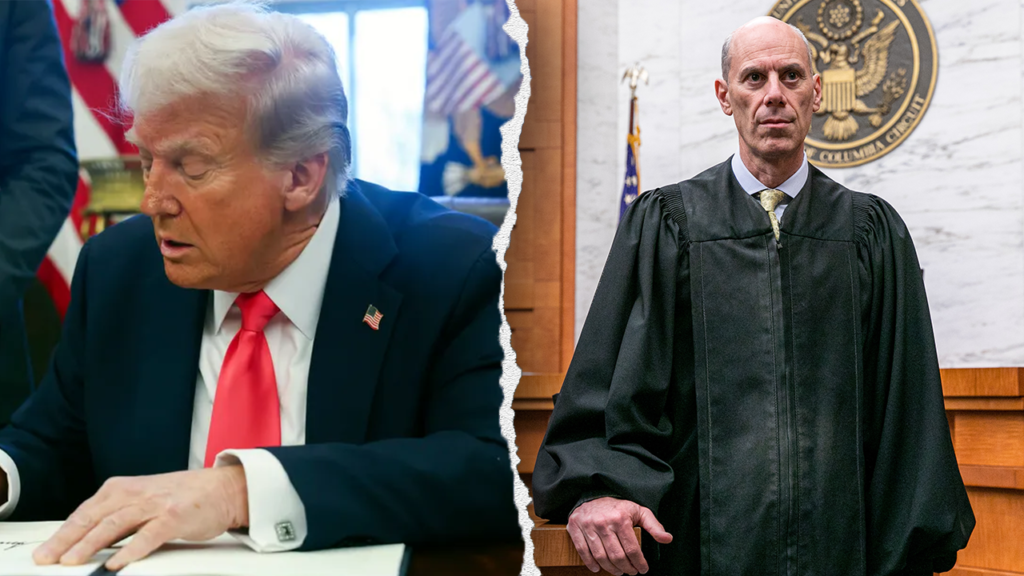
DOJ Files Misconduct Complaint Against Judge James Boasberg Over Comments About Trump
Summary:
On July 28, 2025, Reuters reported that the U.S. Department of Justice filed a formal judicial misconduct complaint against Chief Judge James E. Boasberg of the U.S. District Court for Washington, D.C. The filing, directed to the D.C. Circuit and announced by Attorney General Pam Bondi, accuses Boasberg of making “improper public comments” regarding former President Donald Trump and his administration during a March meeting of the Judicial Conference of the United States.
According to the complaint, Boasberg warned attending judges—including Chief Justice John Roberts—that the Trump administration might disregard federal court rulings, potentially triggering a constitutional crisis. The DOJ argues this conduct “undermined the integrity and impartiality of the judiciary” and violated the Code of Conduct for United States Judges.

The controversy stems from Boasberg’s high-profile involvement in the case known as J.G.G. v. Trump, wherein he sharply criticized the administration’s decision to deport Venezuelans to El Salvador under the Alien Enemies Act, ruling it likely violated due process. Boasberg had also found probable cause to pursue contempt proceedings against DOJ officials for allegedly ignoring his order—though the D.C. Circuit later stayed that finding.
In the charge, Chad Mizelle, Bondi’s chief of staff, urged the D.C. Circuit to remove Boasberg from the J.G.G. v. Trump case and to conduct disciplinary proceedings that might include public reprimand or impeachment. This is not the first such conflict: President Trump previously called for Boasberg’s impeachment, while Chief Justice Roberts issued a rare public rebuke, defending judicial independence and warning against politicizing impeachment threats over ordinary judicial rulings.

Legal experts say the DOJ’s complaint may face long odds. Judicial ethics authorities typically do not entertain complaints filed by the Justice Department, and many argue Boasberg’s remarks occurred in a private setting—a Judicial Conference session—and reflected concerns shared by colleagues, not personal commentary. Several law professors have argued the complaint is a delinquent attempt to intimidate the judiciary, rather than a legitimate ethics violation.
Under the Judicial Conduct and Disability Act, regional appeals courts first review complaints. If not dismissed, the case is referred to a special committee and then to the judicial council for possible sanctions. Even in successful cases, removal or impeachment of a sitting federal judge is exceedingly rare given lifetime tenure. Experts suggest the complaint is more symbolic—designed to send a political signal rather than effect formal discipline.
This filing continues a broader escalation of politically charged clashes between the DOJ under Trump and the federal judiciary—particularly judges who have blocked or criticized aspects of the administration’s immigration policies. Judges like Esther Salas, James Boasberg, and others have since decried threats and smears, calling for stronger protections for judicial independence.
Key Legal Outcome Highlights
-
DOJ files misconduct complaint against Chief Judge Boasberg over comments about potential executive disregard of court rulings. Fox News+15Reuters+15New York Post+15
-
Complaint seeks his removal from J.G.G. v. Trump and possible public reprimand or impeachment. ReutersDemocracy Docket
-
Critics say complaint risks intimidating judicial independence and relies on private, second-hand remarks. CBS Newsstevevladeck.comPolitico
Why It Matters
-
Represents an unprecedented executive branch intervention targeting judicial conduct of a sitting federal judge.
-
Highlights escalating tensions between DOJ and judges over the independence of the judiciary.
-
Raises questions about the scope of judicial speech in private forums, such as Judicial Conference gatherings.
-
Could set a chilling precedent if judges perceive elevated risk in voicing concerns about the executive.
-
Signals an intensifying political battle over the balance of power among branches in the post‑Trump era.
Published: July 28, 2025
Source: Reuters article
Tags
judge boasberg, judicial misconduct, doj complaint, judicial conference, trump administration, judicial independence, judicial ethics, alien enemies act
