
DOJ Moves to Limit Ethics Investigations
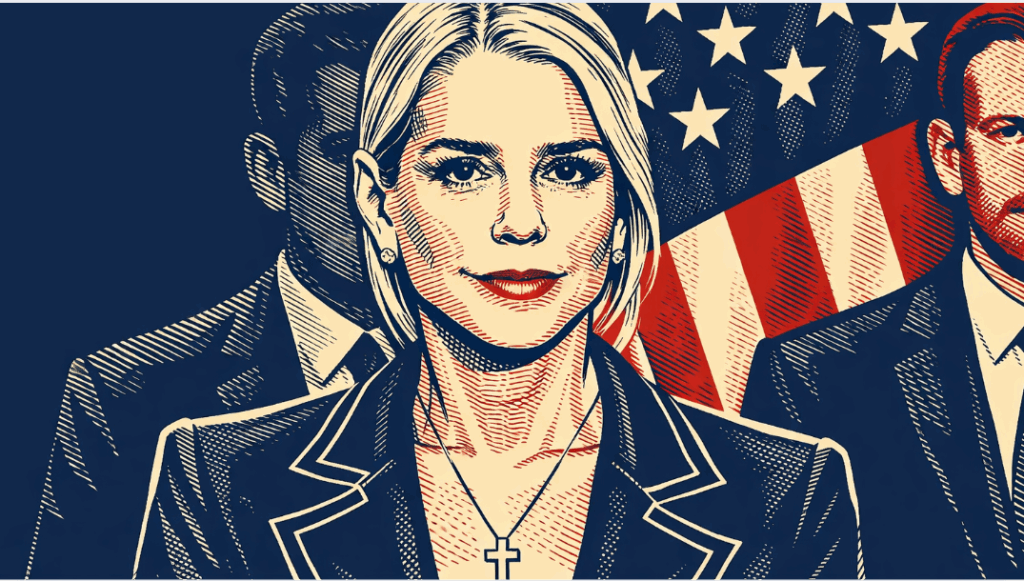
The Donald Trump-led U.S. Department of Justice has proposed a controversial new policy that would limit state-level ethics investigations into its own lawyers, a move that has drawn strong reactions from legal observers, civil liberties groups, and lawmakers on both sides of the political aisle. The draft rule was submitted on March 4, 2026, to the Federal Register and has now entered a 30-day public comment period before it could be enacted.
The proposed policy would grant the U.S. Attorney General the power to review allegations of misconduct against current or former Justice Department attorneys and request that state disciplinary authorities suspend or delay their investigations while such a review is ongoing. This could impact professional disciplinary actions, including disbarment hearings, brought by bar associations and other legal oversight bodies outside of federal government control.
Under the rule, if the attorney general initiates a review, DOJ lawyers accused of ethical violations would be prohibited from participating in state bar investigations until the federal review is completed, effectively suspending cooperation with the disciplinary process. Critics say that this could stall or derail serious ethics probes, creating a form of federal veto over independent investigations into legal misconduct by DOJ personnel.
Attorney General Pam Bondi, a Trump appointee, has already signed off on the draft rule. The DOJ claims that the change is necessary to protect federal prosecutors from what it views as politically motivated attacks by state bar associations and professional disciplinary bodies that might be influenced by partisan pressures. The department argues the policy would guard against “chilling the zealous advocacy by department attorneys on behalf of the United States, its agencies, and its officers.”
Deputy Attorney General Todd Blanche, who previously served as one of Trump’s personal lawyers, told a conservative legal group that the department intends to “do everything we can to take these activist bars out of the picture.” His remarks reflect the growing perception within the administration that external ethics panels are targeting Trump-aligned attorneys and attempting to undermine their work on key legal and political matters.

Among those facing state ethics complaints are some high-profile figures connected to the Trump administration, including Ed Martin, the DOJ’s pardon attorney, and Lindsey Halligan, a former federal prosecutor who brought criminal charges — later dismissed — against former FBI Director James Comey and New York Attorney General Letitia James. Additionally, a Washington, D.C. ethics panel previously recommended that Jeffrey Clark be disbarred for his role in efforts to overturn the 2020 presidential election results — a finding that the DOJ would now be able to review and potentially delay under the new policy.
Supporters of the proposed rule assert that state bar associations have historically lacked the context to fairly judge federal attorneys whose work is closely tied to national policy priorities. They argue that allowing the Justice Department leadership to vet complaints first serves to protect legal professionals from unfounded or politically charged accusations that could discourage vigorous representation of the government’s interests.
However, legal experts, civil rights advocates, and some lawmakers fear that the proposal undermines independent accountability mechanisms that have long served as checks on lawyer misconduct, particularly for those in powerful positions. State bar associations enforce professional conduct standards, including honesty, avoidance of conflicts of interest, and adherence to ethical rules; critics warn that giving the DOJ a chance to delay or halt these investigations could erode trust in the legal system.
Opposition voices contend that the rule risks shielding misconduct by justice officials and weakening longstanding norms governing the legal profession. They argue that state disciplinary authorities serve an important public protection role and that federal interference could insulate attorneys from real consequences for unethical or unlawful conduct.
The debate comes at a time of heightened scrutiny of the Justice Department’s role under Trump’s second term, with critics citing multiple disputes involving weaponization of legal tools for political ends and the resignation of career attorneys. This rule change adds another layer to ongoing discussions about federal authority, professional accountability, and the limits of executive branch influence over independent legal governance.
As public comments on the draft rule are collected over the next month, many expect robust feedback from bar associations, legal advocacy organizations, and individual lawyers concerned about potential impacts on the rule of law and professional standards. The final shape of the policy — and its real-world effects — will likely hinge on the balance between federal prerogatives and the autonomy of state oversight bodies.

📌 Key Legal Outcomes
-
DOJ filed a proposed rule allowing the Attorney General to review and delay state bar ethics investigations into current or former DOJ attorneys.
-
DOJ lawyers would be barred from cooperating with state investigations while a federal review is in progress.
-
The proposal outlines a 30-day public comment period before potential implementation.
-
The rule could impact high-profile cases involving ethics complaints against attorneys tied to the Trump administration.
-
State bar authorities would not be required to defer to DOJ findings, though federal review could significantly delay outcomes.
❓ Why It Matters
-
Accountability: The rule could weaken independent oversight of legal professionals, reducing accountability for unethical conduct.
-
Federal Power: It expands the executive branch’s influence over professional disciplinary systems historically governed by states.
-
Public Trust: Critics warn it could erode public confidence in impartial legal oversight and the justice system.
-
Political Impact: The change arrives amid broader tensions over the Justice Department’s political neutrality under the Trump administration.
-
Legal Precedent: If enacted, it could set a precedent for future federal efforts to limit state authority in professional regulation.

