
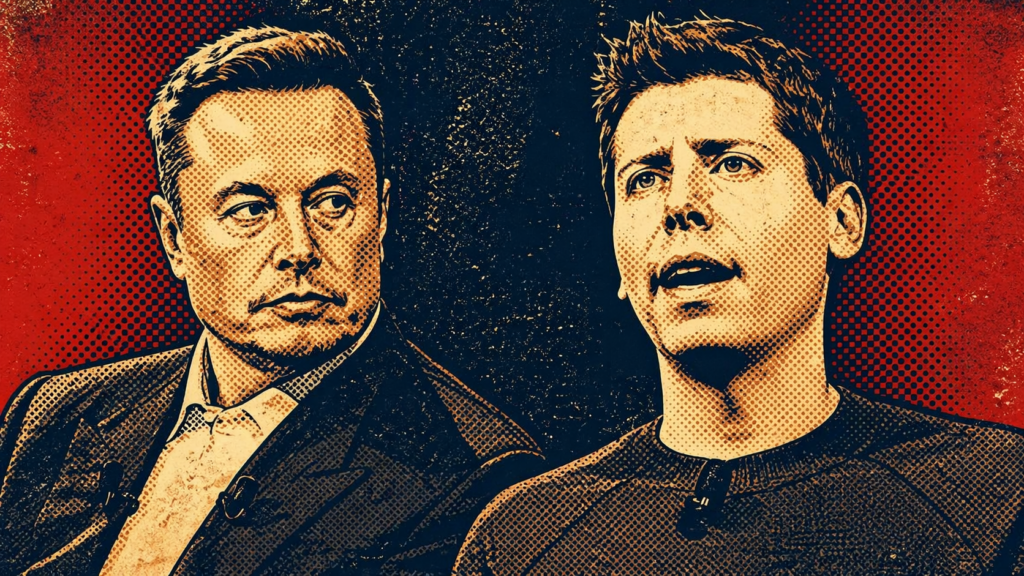
Elon Musk Loses Massive OpenAI Lawsuit
Elon Musk suffered a major courtroom defeat after a California federal jury ruled against his lawsuit accusing OpenAI and CEO Sam Altman of abandoning the company’s original nonprofit mission in pursuit of massive profits. The unanimous verdict represents a significant legal victory for OpenAI and removes one of the largest remaining legal threats hanging over the artificial intelligence company as it moves closer toward a potential public offering reportedly valued near $1 trillion.
The lawsuit centered on claims that OpenAI violated its founding principles after transitioning from a nonprofit research organization into a heavily commercialized artificial intelligence company backed by billions of dollars from investors including Microsoft. Musk, who co-founded OpenAI in 2015 before leaving the organization in 2018, argued that he contributed approximately $38 million based on assurances the company would prioritize benefiting humanity rather than maximizing corporate profits.
Musk alleged that Altman and OpenAI president Greg Brockman secretly transformed the organization into a profit-driven enterprise while personally enriching themselves through the company’s explosive commercial growth. His lawsuit sought approximately $150 billion in damages and demanded sweeping structural changes, including removal of Altman and Brockman from leadership roles. Musk also wanted the court to force OpenAI to undo parts of its for-profit restructuring.
After weeks of testimony in Oakland federal court, however, jurors ruled unanimously that Musk filed the lawsuit too late under California’s statute of limitations rules. Rather than deciding whether OpenAI actually betrayed its founding mission, the jury concluded Musk waited too long to bring the legal challenge after becoming aware of the company’s evolving structure years earlier. Jurors reportedly deliberated for less than two hours before delivering the verdict.
The trial became one of the most closely watched legal battles in the technology industry because it exposed internal disputes surrounding the future of artificial intelligence, corporate control, AI safety, and the enormous financial stakes involved in generative AI development. Court testimony revealed years of tension between Musk and OpenAI leadership over commercialization strategies, governance structures, fundraising, and competition in the race to dominate artificial intelligence technology.
OpenAI’s defense team argued Musk knew for years that the company planned to create a for-profit arm to secure the massive funding needed to compete in AI development. Lawyers for OpenAI presented evidence that Musk himself previously discussed restructuring proposals and even sought substantial control over the organization before eventually leaving. According to testimony presented during trial, Musk at one point proposed merging OpenAI into Tesla and requested majority ownership authority over the company.

The case also placed Altman’s leadership under intense scrutiny. Musk’s legal team repeatedly attacked Altman’s credibility during testimony and argued the OpenAI CEO misled donors, investors, and the public regarding the company’s intentions. OpenAI countered that Musk’s lawsuit was motivated less by nonprofit principles and more by competitive business interests connected to his own AI company, xAI.
Legal analysts described the verdict as enormously important for OpenAI’s future financial plans. Had Musk prevailed, the ruling could have disrupted OpenAI’s corporate structure, threatened investor relationships, and complicated future fundraising or public listing efforts. Instead, the decision clears a major legal obstacle as OpenAI reportedly prepares for a potential IPO that could value the company at nearly $1 trillion.
The outcome may also carry broader implications for Silicon Valley nonprofits and hybrid corporate structures. Experts say the ruling could encourage additional technology organizations and research nonprofits to pursue profit-generating structures while still maintaining nonprofit affiliations. Critics, however, warn the decision may weaken accountability for organizations originally founded around public-interest missions.
Despite the loss, Musk immediately vowed to appeal. He argued the verdict did not address the underlying merits of his allegations and insisted OpenAI leadership effectively “stole a charity” by transforming the company into a commercial powerhouse. Musk’s attorneys suggested the jury’s ruling reflected technical timing issues rather than a rejection of the broader claims involving OpenAI’s mission and governance.
The case further intensified the already bitter rivalry between Musk and Altman, once close collaborators in the early days of OpenAI. Their dispute has increasingly become symbolic of broader debates within the AI industry involving safety, corporate concentration, transparency, and whether advanced artificial intelligence should primarily serve public interests or shareholder profits.

Key Legal Outcomes
- A California federal jury ruled unanimously against Elon Musk.
- The court found Musk filed the lawsuit too late under statute of limitations rules.
- OpenAI, Sam Altman, and Greg Brockman avoided liability over nonprofit mission claims.
- The ruling removes a major legal obstacle to OpenAI’s future IPO plans.
- Musk announced plans to appeal the verdict despite the loss.
Why It Matters
- The verdict strengthens OpenAI’s corporate stability and fundraising position.
- The ruling could influence how AI nonprofits transition into commercial businesses.
- The case exposed major internal conflicts over AI governance and ethics.
- The outcome may shape future legal disputes involving hybrid nonprofit structures.
- The lawsuit highlighted growing tensions over who controls advanced AI technology.
