
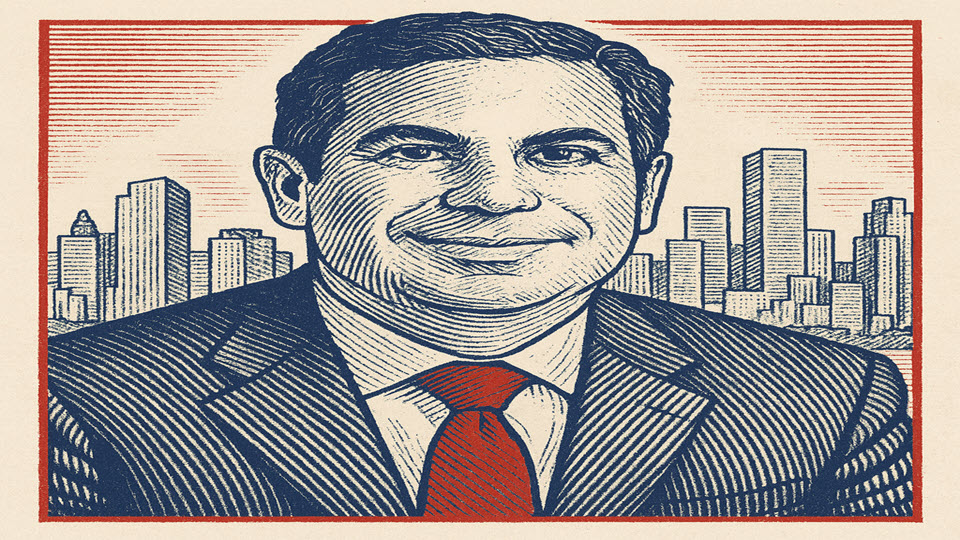
Ex-CEO of Trump’s Truth Social Demands $50K Daily Sanctions
Ex-CEO of Trump-Tied SPAC Demands $50K Daily Sanctions in Legal Fee Dispute
Highlights
-
Former Digital World CEO seeks $50,000 daily sanctions against SPAC
-
Alleges company is defying court orders on legal fee payment
-
Asks Delaware court to halt company litigation until compliance
-
Dispute tied to merger with Trump Media & Technology Group
-
Case raises broader SPAC governance and executive rights issues
The Core Facts: What Happened
Patrick Orlando, the former chief executive officer of Digital World Acquisition Corp., the blank-check company that took Trump Media & Technology Group public, is asking a Delaware court to impose steep daily sanctions against the company. Specifically, he is requesting a penalty of fifty thousand dollars per day for what he claims is the company’s ongoing defiance of a prior court order requiring it to pay his legal fees.
The dispute centers on whether the company and its current board have unlawfully delayed or avoided reimbursing legal expenses that the former executive says he is owed. He claims that the non-payment is in direct violation of a ruling by the Delaware Court of Chancery. In addition to financial penalties, he has asked the court to bar Digital World from participating in any further litigation until it complies with the court’s previous orders.
This marks the latest escalation in a long-running feud between the former executive and the leadership of the special purpose acquisition company, or SPAC, which was formed to merge with and publicly list Trump’s media business.
Background on Individuals: Key Players in the Dispute
The executive behind the motion was once the CEO and public face of Digital World Acquisition Corp., which played a critical role in the creation and public offering of Trump Media & Technology Group, the parent company of Truth Social. His leadership during the SPAC’s early stages positioned the deal as a high-profile merger at the intersection of finance and politics.
Following the merger announcement, however, internal power struggles and regulatory challenges led to his ouster. He has since pursued legal claims seeking compensation, expense reimbursement, and redress for alleged corporate governance failures.
Digital World Acquisition Corp., now under new leadership, has resisted several of the former executive’s demands. The company’s legal team has reportedly argued that the executive’s fee claims are excessive, improperly documented, or otherwise invalid.
Political and Corporate Context: SPAC Controversy and Trump Media
This case unfolds against the backdrop of continued scrutiny surrounding SPACs, particularly those involving politically sensitive or high-risk mergers. Digital World’s merger with Trump Media drew intense attention from regulators, investors, and the public, especially given Trump’s ongoing political activities and legal entanglements.
The merger process has been dogged by investigations into securities violations, insider trading, and lapses in transparency. Although Trump Media eventually became a publicly traded company, the legal fallout from its SPAC origin continues.
In this context, the fee dispute takes on added significance. It reflects not just a disagreement over money but a broader battle over control, accountability, and executive protections in a volatile corporate structure.
Legal Context: Sanctions, Indemnification, and Chancery Enforcement
The executive’s current request relies on the Delaware Court of Chancery’s authority to enforce its prior orders. In Delaware, where most U.S. corporations are incorporated, the Chancery Court holds wide latitude to enforce judgments and impose sanctions when parties disobey.
Legal fee reimbursement, or indemnification, is a common protection granted to corporate executives under Delaware law. When companies refuse to honor those obligations, courts can compel payment and impose consequences.
However, asking for fifty thousand dollars per day in sanctions is an aggressive legal tactic. Sanctions of that magnitude are rare and typically reserved for cases where the court finds clear, ongoing, and willful disobedience. The executive also seeks to bar Digital World from pursuing other legal claims or defenses until it complies, an extraordinary remedy that would pause the company’s broader legal strategy.
Implications: Corporate Governance and Executive Rights
If the court grants the requested sanctions, it would send a powerful message about the seriousness of indemnification obligations and the limits of corporate defiance. It could open the door for similarly situated former executives to pursue comparable sanctions if they believe their rights have been violated.
Such a ruling might also reshape how SPACs and their boards approach executive transitions. When deals become controversial or politically fraught, as in the case of Trump Media, disputes over compensation and indemnification may intensify.
Moreover, a sanctions order would likely create internal and external pressure on Digital World’s board. Investors and regulators may question the financial health and governance stability of a company engaged in costly intra-corporate litigation, particularly when connected to a public figure like Trump.
What’s Next: Court Ruling and Potential Fallout
The Delaware Court of Chancery must now decide whether to impose the requested sanctions and injunction. The court will weigh the credibility of the former CEO’s claims, the company’s compliance history, and the severity of the alleged violations.
Digital World may respond by challenging the sanctions request, seeking to delay proceedings, or attempting to reach a negotiated resolution. However, the company risks escalating reputational and financial consequences if the court rules against it.
Any ruling in this case will likely be closely watched by legal professionals, corporate boards, and political analysts. It could set precedent for how aggressively Delaware courts enforce executive rights and corporate obligations, particularly in politically sensitive SPAC transactions.
Conclusion: A High-Stakes Showdown Over Fees, Power, and Accountability
The former CEO’s demand for fifty thousand dollars in daily sanctions is not just a fee dispute. It is a high-stakes legal confrontation over corporate responsibility, executive indemnification, and the role of courts in enforcing compliance.
Given the political weight behind Trump Media and the increasing scrutiny of SPACs, the outcome of this case may have implications far beyond one executive or one company. It could shape future litigation strategies, corporate governance standards, and the balance of power between current boards and former insiders.
The Delaware court’s decision will determine not only whether the former executive gets his fees but also how forcefully the judiciary will act when corporations appear to defy its orders.
