
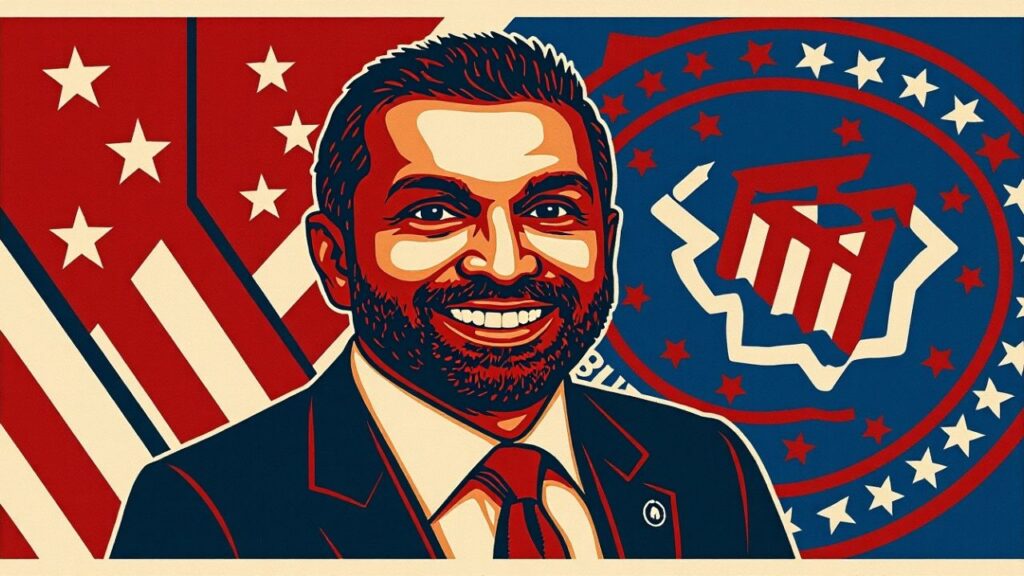
FBI Fires, Rehires Agents
FBI fires, unfires, then refires agents linked to Jack Smith probe
According to reporting, the FBI has conducted a series of personnel actions targeting agents who were involved in investigations related to former President Trump, including probes led by Jack Smith into the January 6 attack and efforts to overturn the 2020 election. Four agents who served on Smith’s team were reportedly fired—though some of those firings were later reversed.
These actions form part of a broader pattern: dozens of FBI agents, prosecutors, and support staff involved in Trump-related investigations have reportedly been removed or reassigned since the change in administration. Some of those — including senior FBI officials — have claimed the firings were politically motivated, alleging retribution for working on sensitive cases.
The timing and handling of the firings has raised alarm both within the Bureau and among oversight bodies. Some terminated agents were told they would be fired, then later informed the decision was rescinded. Others say they were targeted after their names appeared in Congressional subpoenas released publicly.
Sources suggest the firings prompted internal legal action, with at least three former senior FBI officials filing a lawsuit claiming wrongful termination as part of a “campaign of retribution.” The lawsuit alleges violations of constitutional rights, including due-process and free-association protections.
The developments signal a deepening institutional rift between the FBI’s career ranks, the leadership appointed under the Trump administration, and the justice system oversight mechanisms. The concerns revolve not just around individual employment decisions, but how political influence may be shaping or influencing criminal investigations.

Key Legal Outcomes
-
Agents involved in Trump-related investigations were fired or threatened with termination, some later reinstated or rescinded.
-
A lawsuit has been filed by former senior FBI officials alleging wrongful terminations and an orchestrated “retribution” campaign.
-
The case raises questions about when internal investigative roles become protected by constitutional or statutory safeguards (e.g., First Amendment, due process).
-
The firings spark scrutiny of employment protections for federal law-enforcement personnel, especially those involved in politically sensitive investigations.
-
Possible legal precedents may emerge concerning whether investigators can be removed for partisan reasons and what recourse they have.

Why It Matters
-
It touches on the independence of the criminal-justice system, particularly whether law-enforcement agencies can operate free from political interference.
-
The credibility and morale of the FBI may be impacted if agents believe they are vulnerable to retaliation for investigating powerful political figures.
-
The situation may affect whistleblower protections, internal oversight mechanisms, and how future investigations are staffed or managed.
-
It could influence how Congress exercises its oversight of law-enforcement agencies, and whether new safeguards are needed for career investigators.
-
The public’s trust in both the FBI and the justice system is at stake: if perceptions of politicized firings gain traction, it could undermine confidence in investigations into high-level wrongdoing.
