
Is Trump’s New Executive Order Legal?
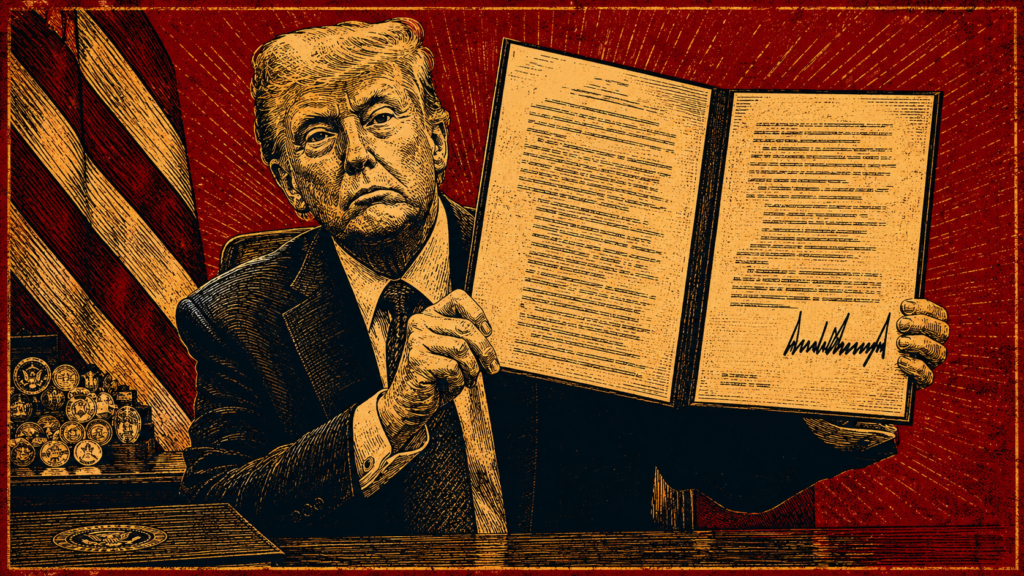
President Donald Trump has signed an executive order requiring federal contractors and subcontractors to notify the White House before responding to congressional requests for information concerning their work or communications with the executive branch. The November 20, 2026 order, titled “Protecting the Executive’s Privileges and Enhancing Efficiencies in Federal Contracting,” introduces new requirements for private companies that conduct business with the federal government. Under the directive, contractors must inform both the White House and the relevant federal agencies whenever Congress requests information related to their government work. They must also follow instructions concerning the withholding of communications that the administration determines are protected by executive privilege. Companies that fail to comply could face contract cancellations, suspensions or exclusion from future federal contracts.
The order comes at a politically significant moment, as Democrats prepare to assume control of both chambers of Congress in January 2027 following the November midterm elections. Democratic lawmakers have indicated plans to conduct extensive investigations into the Trump administration, federal spending, government contracts and potential conflicts of interest involving individuals connected to the president. Private companies that receive federal funding could become important sources of information for these investigations because they often possess contracts, communications, financial records and other documents concerning government operations. By requiring contractors to coordinate with the administration before responding to congressional inquiries, the order creates another layer of oversight over how information involving the executive branch is shared.
According to the White House, the directive is intended to protect confidential government information and prevent unauthorized disclosure of communications that may fall under executive privilege. The administration argues that federal contractors frequently handle sensitive information involving national security, government operations and executive decision-making. It maintains that companies should not independently release such material without giving the government an opportunity to determine whether constitutional protections apply. The White House also argues that coordinating responses through federal agencies will reduce unnecessary legal disputes, avoid duplicated efforts and make government contracting more efficient. The administration presents the order as a measure to protect legitimate executive branch interests rather than an attempt to prevent Congress from conducting lawful investigations.
The executive order specifically requires contractors to notify the White House and contracting agencies of any pending or future congressional requests involving their communications or work with the executive branch. After receiving notification, companies must follow instructions concerning communications that the administration or relevant agency has determined are protected by executive privilege. Federal agencies are also directed to coordinate with contractors and the White House when developing appropriate responses to congressional inquiries. The requirements extend beyond companies holding direct federal contracts and also apply to subcontractors performing work under those agreements. Agencies must take steps to ensure that primary contractors make their subcontractors comply with the new requirements.

One of the most consequential provisions involves the penalties companies could face for violating the order. Federal agencies are instructed to consider appropriate enforcement measures, including terminating or canceling existing contracts and suspending or debarring contractors from receiving future government business. Debarment can have serious financial consequences because companies that depend on federal contracts may lose access to a substantial source of revenue. For some businesses, losing eligibility to participate in government procurement could threaten their continued operations. These penalties create significant pressure on companies to follow administration instructions, particularly when they receive requests from congressional committees seeking information about federal programs or executive branch activities.
However, the order raises questions about the constitutional authority of Congress to investigate government operations and obtain information necessary to perform its legislative responsibilities. Although the Constitution does not expressly establish a general investigative power for Congress, the Supreme Court has repeatedly recognized that congressional investigations and subpoenas are important tools for carrying out legislative functions. Committees may seek documents, communications and testimony from private businesses when the information is relevant to potential legislation, government spending or oversight of federal agencies. Federal contractors can therefore become important participants in congressional investigations because they frequently have direct knowledge of how government programs are implemented and how taxpayer funds are used.
The Supreme Court’s decision in Trump v. Mazars USA is particularly relevant to the broader constitutional debate. In that case, the Court recognized Congress’s authority to obtain information for legitimate legislative purposes while emphasizing that congressional investigations involving a president’s personal information must account for separation-of-powers concerns. The ruling established that congressional oversight is not unlimited, but it also did not give the president unrestricted authority to block congressional requests. This distinction could become important if federal contractors receive subpoenas from congressional committees and are subsequently instructed by the White House to withhold the requested documents. Such a conflict could force courts to determine whether the information is genuinely protected by executive privilege or whether Congress has a valid legal basis to obtain it.
Executive privilege is another central issue surrounding the new directive. The doctrine allows presidents to protect certain confidential executive branch communications, particularly those involving presidential decision-making, national security and sensitive government deliberations. However, executive privilege is not absolute. The Supreme Court has previously recognized that presidential confidentiality interests must sometimes be balanced against other important legal and constitutional responsibilities. The administration argues that certain communications shared between federal employees and contractors should receive protection when they form part of confidential executive branch operations. Critics, however, question how broadly that protection can extend, particularly when private companies possess information that congressional investigators need to examine government activities. The disagreement could eventually require judicial clarification.
The situation places federal contractors in a difficult position because they could face competing legal obligations. On one side, the executive order threatens companies with financial and business consequences if they fail to follow administration instructions. On the other side, congressional committees may issue legally authorized subpoenas requiring companies to produce documents or provide testimony. Refusing to comply with a valid subpoena can lead to congressional contempt proceedings or other legal enforcement efforts. The conflict becomes especially complicated when the White House asserts executive privilege over information that Congress believes is necessary for an investigation. Contractors could find themselves caught between protecting their federal business relationships and fulfilling their legal responsibilities to Congress.
Federal whistleblower protections could also become relevant as the new policy takes effect. Under 41 U.S.C. Section 4712, many employees of federal contractors and subcontractors are protected against retaliation for reporting certain suspected violations, including gross mismanagement, waste, abuse of authority and violations of law involving federal contracts. The law identifies members of Congress and congressional committee representatives among the individuals who may receive protected disclosures. This creates an important distinction between information that is legitimately protected by executive privilege and disclosures that federal law specifically protects. The executive order states that it must be implemented consistently with applicable law, meaning it does not automatically eliminate existing statutory whistleblower protections.
The order could face legal challenges if companies, congressional committees or affected individuals argue that its requirements conflict with congressional oversight authority or existing federal statutes. A dispute could arise if a contractor receives a formal subpoena, notifies the White House and is subsequently instructed to withhold information that Congress considers legally obtainable. Courts could then be asked to examine the scope of executive privilege, the limits of presidential contracting authority and the constitutional balance between the legislative and executive branches. The president relies partly on the Federal Property and Administrative Services Act, which grants authority to establish procurement policies intended to promote economy and efficiency in federal contracting. However, that authority remains subject to statutory and constitutional limitations.
Ultimately, Trump’s executive order represents a significant development in the ongoing struggle over congressional oversight and presidential authority. Its immediate effect is to require federal contractors and subcontractors to involve the White House and relevant agencies before responding to congressional requests concerning their government work. While the administration maintains that the policy protects sensitive information and improves contracting efficiency, critics argue that it could discourage cooperation with congressional investigations and give the executive branch greater control over information held by private companies. The full legal consequences remain uncertain because the order has not yet been definitively tested in court. As Democrats prepare to begin investigations in January 2027, potential confrontations involving subpoenas, executive privilege and contractor obligations could become an important constitutional battle over the limits of presidential power and Congress’s ability to hold the government accountable.

KEY LEGAL OUTCOME
-
New contractor notification requirement: Federal contractors and subcontractors must notify the White House and relevant agencies whenever Congress requests information concerning their government work or executive branch communications.
-
Executive privilege enforcement: Contractors must follow administration instructions concerning information officially determined to be protected by executive privilege.
-
Potential contract termination: Companies that fail to comply could face cancellation of existing federal contracts, suspension or debarment from future government business.
-
Congressional oversight remains constitutionally protected: The executive order does not eliminate Congress’s investigative authority or automatically invalidate legally authorized subpoenas.
-
Potential constitutional litigation: The order could face court challenges involving separation of powers, executive privilege, congressional subpoenas and presidential contracting authority.
WHY IT MATTERS
-
Congressional oversight could be affected: The policy could make it more difficult for lawmakers to obtain information from private companies during investigations into federal government activities.
-
Federal contractors face competing obligations: Businesses may have to navigate conflicting demands between administration instructions and legally enforceable congressional subpoenas.
-
Presidential power faces further scrutiny: The order raises important questions about how far a president can use executive authority to control information held by private companies.
-
Whistleblower protections remain important: Federal contractor employees may still have statutory protections when reporting suspected government misconduct, waste or abuse.
-
Separation of powers could face a major test: Potential legal challenges may clarify the boundaries between presidential confidentiality interests and Congress’s constitutional responsibility to investigate government operations.
