
Judge Blocks Trump’s Latest Immigration Order
A federal judge in Washington, D.C., has blocked President Donald Trump’s latest executive order seeking to restrict birthright citizenship in the United States. The November 25, 2026, decision marks the second major judicial setback for the administration’s renewed effort to limit automatic citizenship for certain children born on American soil. U.S. District Judge Christopher Cooper issued a preliminary injunction preventing federal agencies from enforcing the order against children covered by a class-action lawsuit. The ruling represents another important development in the ongoing legal battle over the constitutional protections provided by the Fourteenth Amendment and the government’s authority to determine who qualifies for American citizenship.
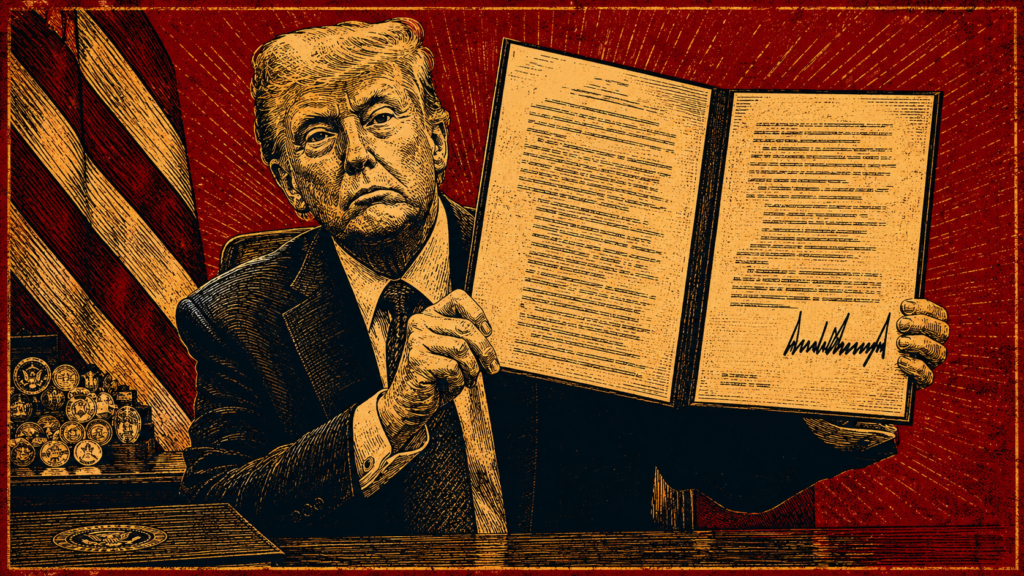
The executive order, signed by Trump on August 6, 2026, was introduced after the Supreme Court rejected his earlier attempt to broadly restrict birthright citizenship. The administration’s revised policy sought to establish additional exceptions affecting children born in the United States whose parents were neither American citizens nor lawful permanent residents. The new restrictions specifically targeted children whose parents fell into certain categories, including individuals involved in birth tourism, certain foreign government or international organization employees without diplomatic immunity, and individuals classified by the government as alien enemies. The administration argued that these restrictions were necessary to protect the meaning and value of American citizenship.
The latest lawsuit was brought on behalf of children who could lose recognition of their citizenship under the executive order. The plaintiffs argued that the president lacked constitutional authority to create additional exceptions to birthright citizenship through an executive directive. They maintained that children born in the United States and subject to its laws are protected by the Citizenship Clause of the Fourteenth Amendment, regardless of their parents’ immigration status or nationality. The legal challenge sought a court order preventing federal agencies from implementing the policy while the broader constitutional dispute continued.
In his decision, Judge Cooper concluded that the plaintiffs were highly likely to succeed in their legal challenge. He explained that existing Supreme Court precedent makes clear that the president cannot independently create new exceptions to birthright citizenship for children born within the United States who are subject to its laws. The judge pointed to the Fourteenth Amendment and federal citizenship statute as major legal protections that the administration’s policy could violate. His ruling emphasized that the government cannot simply redefine constitutional citizenship protections through an executive order without appropriate legal authority.
The judge also relied on the landmark 1898 Supreme Court decision in United States v. Wong Kim Ark. That historic ruling established an important interpretation of the Fourteenth Amendment, recognizing citizenship for children born in the United States to foreign parents who were subject to American jurisdiction, with limited traditional exceptions. Judge Cooper explained that the Supreme Court’s more recent decision in June 2026 reaffirmed this longstanding understanding. In the administration’s earlier case, Trump v. Barbara, the Supreme Court rejected the original attempt to deny citizenship to children born in the country to parents who were not citizens or permanent residents. The latest ruling builds on that constitutional foundation.

The injunction specifically prevents the Department of Homeland Security, Department of State and Social Security Administration from enforcing the August executive order against members of the certified class. This means the agencies cannot use the challenged policy to deny qualifying children recognition of their citizenship while the lawsuit remains pending. The affected children are those born in the United States on or after August 6, 2026, whose parents are not U.S. citizens and fall within the first three categories identified in the executive order. Children born to accredited foreign diplomats are excluded from the class, and the ruling does not cover every category addressed by the administration’s directive. The decision is therefore significant but limited to the individuals covered by the lawsuit.
This is the second federal court to block Trump’s latest birthright citizenship restrictions. In September 2026, U.S. District Judge Deborah Boardman in Maryland issued a separate preliminary injunction preventing enforcement of the same executive order against another certified group of children. That earlier decision also concluded that the administration’s policy was likely unconstitutional under existing Supreme Court precedent. With the additional ruling in Washington, the government now faces two separate court orders restricting its ability to implement the policy. The administration would need to successfully challenge these injunctions before it could enforce the executive order against the groups protected by them.
The case also involves real families whose children could be affected by the policy. Among the plaintiffs identified in the proceedings are children born in the United States to parents who are not American citizens but have legitimate reasons for living or working in the country. One child, identified in court documents as Nathan, was born in Washington, D.C., to parents employed by international organizations. Another child, identified as Eleanor, was born through commercial surrogacy to Australian parents. Their circumstances illustrate how the executive order could affect children whose parents do not fall within the traditional exceptions to birthright citizenship. The court determined that the children represented by the lawsuit deserved protection while the legal dispute proceeded.
The administration defended its executive order and argued against issuing another injunction. Government attorneys maintained that the new policy was narrower than Trump’s original attempt to restrict birthright citizenship and that the lawsuit was premature. They also argued that federal agencies were still developing guidance explaining how the restrictions would be implemented. However, Judge Cooper rejected the government’s arguments and declined to suspend his decision while an appeal was pursued. The White House criticized the ruling, describing it as an example of judicial interference with the president’s immigration agenda. The administration’s position reflects its continued disagreement with the courts over the scope of executive authority in immigration and citizenship matters.
The dispute is expected to continue through the federal judicial system, and the administration retains the option of appealing the latest decision. For now, the injunction preserves citizenship protections for the children covered by the case. The court also established additional procedural requirements, including a joint status report from both sides by December 4, 2026. Although the ruling does not permanently resolve every constitutional question surrounding birthright citizenship, it establishes that the administration cannot enforce its latest restrictions against the protected class while the case remains pending. The legal battle could eventually require further appellate review before a final resolution is reached.
Ultimately, the case represents another major confrontation over the meaning of American citizenship and the constitutional limits of presidential power. The Fourteenth Amendment has long provided that people born in the United States and subject to its jurisdiction are citizens, subject to established exceptions. The latest court decision reinforces the position that the president cannot independently create additional restrictions without sufficient legal authority. For affected families, the injunction provides temporary protection against the denial of citizenship documents and recognition. For the federal government, it presents another legal obstacle to implementing the administration’s immigration policies. As the litigation continues, the courts will play a central role in determining whether any new restrictions can legally be imposed and how far presidential authority extends when constitutional citizenship rights are involved.

KEY LEGAL OUTCOME
- U.S. District Judge Christopher Cooper issued a preliminary injunction blocking enforcement of Trump’s August 6, 2026, birthright citizenship executive order against children covered by the class-action lawsuit.
- The court found that the plaintiffs were highly likely to succeed because the restrictions appeared to conflict with the Fourteenth Amendment and federal citizenship law.
- The Department of Homeland Security, Department of State and Social Security Administration are prohibited from enforcing the challenged restrictions against the protected class while the case remains pending.
- The decision follows a separate September 2026 injunction issued by a Maryland federal judge, meaning two federal court rulings now block the administration’s latest policy for the respective protected groups.
- The judge refused to suspend his injunction while an appeal is pursued. The case remains ongoing, and no final judgment has been issued.
WHY IT MATTERS
- Constitutional citizenship rights: The ruling reinforces the legal protections provided by the Fourteenth Amendment for children born in the United States.
- Limits on presidential power: It highlights that executive orders cannot automatically override constitutional protections or established federal law.
- Protection of American-born children: The injunction prevents federal agencies from denying citizenship recognition to children covered by the lawsuit.
- Judicial oversight: The case demonstrates the federal courts’ role in reviewing executive actions and determining whether government policies comply with the Constitution.
- Future immigration policy: The eventual outcome could influence how future administrations approach birthright citizenship and the limits of immigration-related executive authority.
