
Judge Rules Against Latest TSA
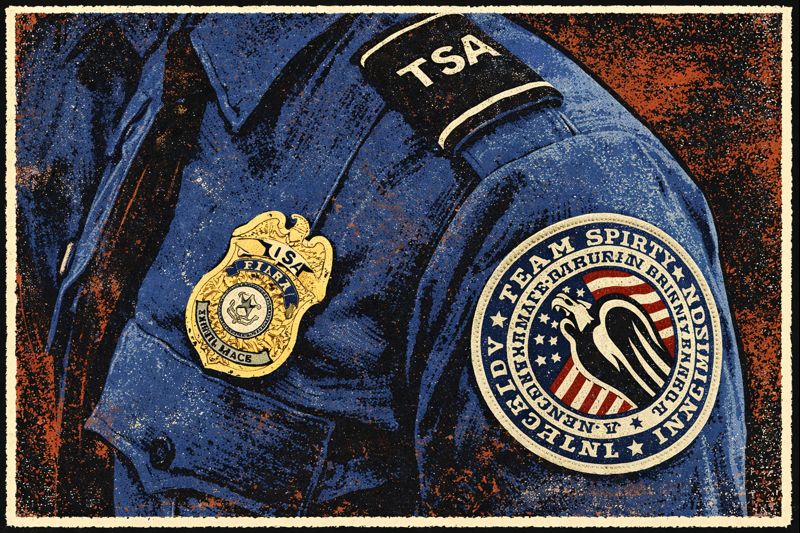
A federal judge has blocked the Transportation Security Administration (TSA) and the Department of Homeland Security (DHS) from implementing a new policy that would have ended union representation rights for about 47,000 Transportation Security Officers (TSOs), reaffirming that the existing collective bargaining agreement (CBA) remains in force. The decision comes amid ongoing litigation over federal labor rights after a series of executive actions aimed at reducing union influence within national security‑related agencies.
The case centers on a “policy determination” issued by DHS that was intended to eliminate union representation and collective bargaining for TSA screeners effective January 18, 2026, invoking a pair of executive orders from President Donald Trump that sought to end bargaining and grievance procedures for many federal workers engaged in security or national‑security functions. DHS said the policy would effectively terminate the agency’s longstanding collective bargaining agreement with the American Federation of Government Employees (AFGE) and strip TSOs of union protections.

However, in a ruling on January 16, 2026, U.S. District Judge Jamal N. Whitehead of the Western District of Washington determined that this latest attempt by DHS and TSA to dissolve union representation violated a preliminary injunction already in place from an earlier stage in the litigation. In the prior injunction, a different judge found that AFGE was likely to succeed on claims that DHS’s attempt to terminate union rights under the Administrative Procedure Act and other legal standards was unlawful.
Judge Whitehead ordered DHS to notify TSOs that the new determination would not take effect and that the 2024 collective bargaining agreement “remains applicable and binding”. He also confirmed that currently pending grievances and arbitrations filed under that CBA will continue to be processed, effectively maintaining the status quo for union representation rights.
The AFGE, which represents TSOs nationwide, hailed the ruling as a major victory for federal workers’ rights. The union stated that repeated efforts by the administration to strip frontline airport security workers of a voice in their working conditions should alarm all Americans who travel through airports. They argue that union representation helps ensure safety, stability, and fairness in the critical job of protecting the traveling public — a point especially resonant given that many TSOs are veterans and long‑time public servants.

This latest ruling does not end the broader legal challenge to the executive orders; the U.S. Court of Appeals for the Ninth Circuit has already heard arguments in related consolidated cases brought by AFGE and other federal unions targeting the underlying executive actions. Last August, an appellate panel had lifted a different injunction, focusing on legal standards for issuing preliminary orders, indicating that higher courts will play a central role in determining the ultimate fate of these union rights challenges.
The dispute reflects the ongoing clash between the Trump administration’s labor policy goals — which have sought to limit collective bargaining in federal agencies deemed critical to national security — and federal employees’ long‑established rights to union representation and due process protections under federal labor law. In response, lawmakers in Congress have also introduced legislation that would override Trump’s executive orders and reinstate or safeguard collective bargaining rights for federal workers more broadly, signaling political as well as legal resistance to the changes.
If the broader cases proceed to trial or further appellate rulings, their outcomes could have far‑reaching implications for federal labor relations, affecting not just the TSA but other agencies affected by similar executive orders. Challenges are still pending at the Ninth Circuit and potentially higher courts, and the legal uncertainty continues to hang over federal workforce rights and collective bargaining protections.
📌 Why This Matters
-
Union rights upheld for TSA: A federal judge blocked the latest attempt to strip TSA screeners of union representation rights.
-
Collective bargaining preserved: The ruling keeps the existing 2024 collective bargaining agreement legally binding.
-
Legal precedent for federal labor: The decision reinforces judicial oversight of executive moves affecting federal labor law.
-
Part of broader national debate: The dispute highlights tensions between federal labor rights and executive authority.
-
Continued appellate litigation: Broader legal challenges in the Ninth Circuit could reshape labor policy for federal employees nationwide.
⚖️ Key Legal Outcomes
-
Judge ruled DHS’s move violated an existing injunction, blocking enforcement.
-
Collective bargaining agreement remains in effect for TSOs.
-
Pending grievances and arbitrations continue under the 2024 CBA.
-
Federal unions maintain legal standing to challenge executive orders.
-
Ninth Circuit hearings ongoing in broader consolidated cases over union rights.
