
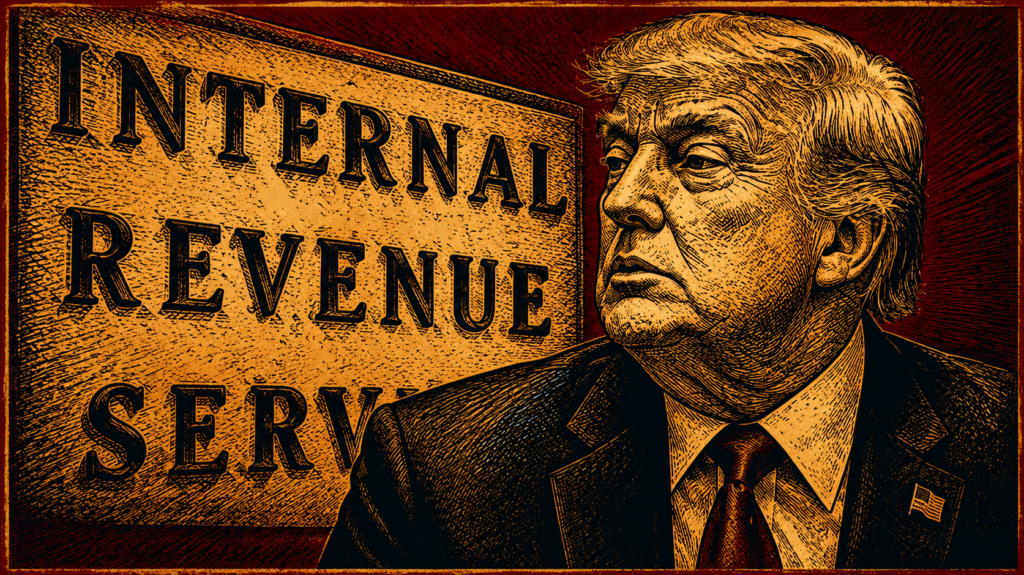
Judge Voids Trump IRS Settlement in Scathing Ruling
A federal judge has nullified a controversial settlement agreement involving President Donald Trump, the Internal Revenue Service (IRS), and the U.S. Department of Justice, ruling that the lawsuit was improperly brought and constituted a misuse of the federal judicial system. In a strongly worded opinion, U.S. District Judge Kathleen Williams concluded that the lawsuit lacked a genuine legal dispute because Trump, as president, was effectively suing agencies under his own executive authority. The judge found that the case was filed in bad faith and appeared designed to legitimize a settlement that would have personally benefited Trump and his affiliates rather than resolve a legitimate legal controversy.
The dispute originated after Trump, along with his sons Donald Trump Jr. and Eric Trump and the Trump Organization, filed a $10 billion lawsuit against the IRS and the Treasury Department over the unauthorized disclosure of Trump’s tax returns by former IRS contractor Charles Littlejohn. While Littlejohn had already pleaded guilty and been sentenced for illegally leaking confidential tax information, Trump alleged the government failed to protect his tax records and sought billions of dollars in damages. The unusual aspect of the case was that Trump, as president, exercised executive authority over the very agencies he was suing, creating unprecedented constitutional and ethical questions.
Rather than litigating the dispute, the Department of Justice negotiated a settlement that drew immediate criticism from legal experts and ethics advocates. Under the proposed agreement, the government would establish an approximately $1.776 billion “Anti-Weaponization Fund” intended to compensate individuals claiming they had been harmed by alleged government misconduct. The agreement also reportedly included provisions granting Trump, members of his family, their businesses, and certain affiliates immunity from future IRS audits and some federal investigations concerning conduct occurring before May 18, 2026. Critics argued that these provisions far exceeded the legal issues presented by the tax-return leak and improperly used taxpayer resources to benefit the president personally.
Judge Williams rejected the settlement in its entirety. In a detailed opinion, she concluded that the lawsuit failed to satisfy the Constitution’s “case or controversy” requirement because the opposing parties were not truly adverse. The judge found that Trump effectively controlled both sides of the litigation through his authority over executive branch agencies, eliminating the genuine legal conflict necessary for a federal court to exercise jurisdiction. Williams described the litigation as “collusive” and determined that the plaintiffs acted in bad faith by using the courts to legitimize what she characterized as an improper political arrangement.

The judge further criticized the conduct of several attorneys involved in negotiating and presenting the settlement. She referred attorney Alejandro Brito to the Florida Bar for possible disciplinary proceedings and directed that copies of her opinion be sent to the New York and District of Columbia bar associations for review of the conduct of Acting Attorney General Todd Blanche and Associate Attorney General Stanley Woodward. In addition, attorney Daniel Epstein was suspended from practicing before the U.S. District Court for the Southern District of Florida for one year due to his role in the litigation. Judge Williams concluded that the attorneys had failed to uphold their professional obligations by participating in proceedings that lacked a legitimate legal foundation.
The court also prohibited the parties from referring to the agreement as a valid settlement in any future proceedings. Williams emphasized that courts cannot be used to approve agreements arising from lawsuits that lack jurisdiction or are filed for improper purposes. She stated that permitting such arrangements would undermine public confidence in the judiciary and erode the constitutional separation of powers by allowing executive officials to manufacture litigation for personal benefit.
The ruling has generated widespread attention because it addresses fundamental constitutional principles governing the limits of presidential authority and the proper role of federal courts. Legal scholars note that while presidents retain personal legal rights, they cannot simultaneously control both sides of litigation involving executive branch agencies in a manner that eliminates genuine adversarial proceedings. The decision reinforces longstanding judicial doctrine requiring actual disputes between independent parties before federal courts may exercise jurisdiction.
The opinion also arrives amid broader political scrutiny over allegations of government self-dealing and the use of executive authority for personal benefit. Supporters of the ruling argue that it protects constitutional checks and balances by preventing misuse of the courts, while Trump’s legal team has maintained that the lawsuit sought accountability for the unlawful disclosure of confidential tax information. Regardless of those competing views, Judge Williams’ decision does not address whether the original tax-record leak caused harm. Instead, it focuses on whether the lawsuit and resulting settlement complied with constitutional requirements governing federal litigation.
The ruling may have lasting implications beyond this case. By voiding the settlement and imposing sanctions on attorneys, the decision sends a strong message regarding judicial oversight of collusive litigation and reinforces ethical obligations for lawyers appearing before federal courts. It may also influence future disputes involving presidential conflicts of interest, executive authority, and the constitutional requirement that federal courts resolve only genuine legal controversies. As appeals or related proceedings develop, the decision is likely to remain an important reference point in debates over presidential accountability, judicial independence, and the limits of executive power.

Key Legal Outcome
- U.S. District Judge Kathleen Williams voided the settlement agreement between President Trump and the federal government in the IRS lawsuit.
- The court ruled that the lawsuit lacked a genuine legal controversy and was filed in bad faith.
- Judge Williams found the litigation was improperly used to legitimize a settlement that included an “Anti-Weaponization Fund” and audit-related protections for Trump and his affiliates.
- The judge referred multiple attorneys for potential disciplinary action and suspended one attorney from practicing before the Southern District of Florida.
- The court ordered that the invalidated settlement cannot be cited as a valid legal agreement in future proceedings.
Why It Matters
- The ruling reinforces constitutional limits on presidential authority when litigating against executive branch agencies.
- It underscores the judiciary’s role in preventing misuse of federal courts for personal or political objectives.
- The decision highlights the ethical responsibilities of government and private attorneys participating in federal litigation.
- The case could shape future legal disputes involving presidential conflicts of interest and executive self-dealing.
- The opinion may become an important precedent concerning collusive lawsuits and the constitutional requirement for genuine adversarial proceedings.
