
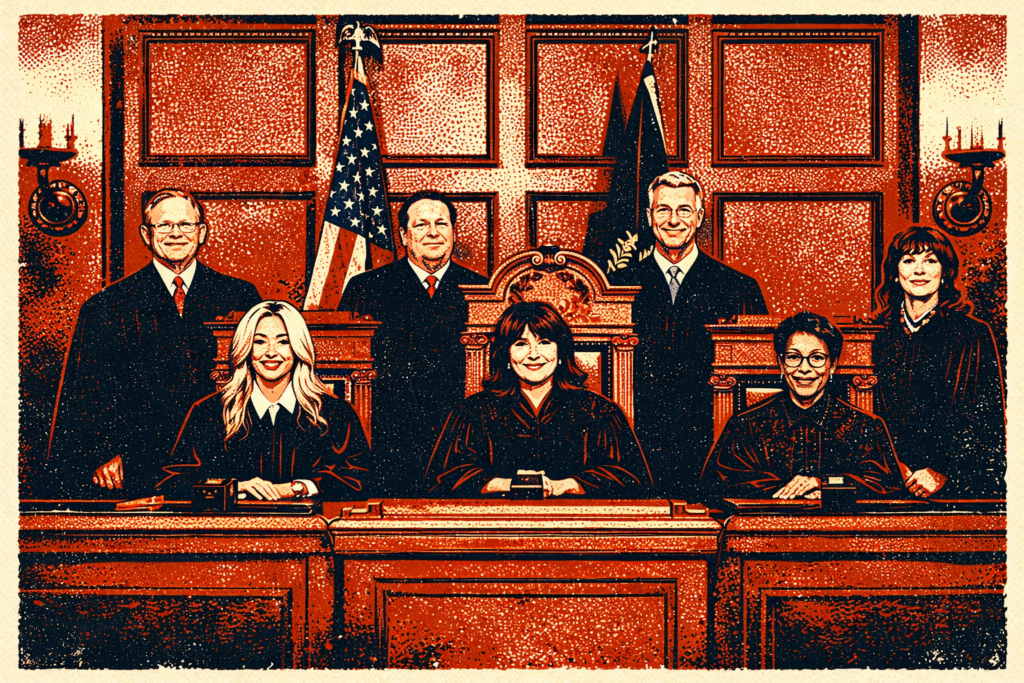
Kentucky High Court Blocks Judge Impeachment
The Kentucky Supreme Court has stepped in to halt impeachment proceedings against Fayette County Circuit Judge Julie Goodman, ruling that the legislature overstepped its constitutional authority and that the case should instead be addressed through appropriate judicial disciplinary channels.
In a 5–1 decision, the state’s highest court concluded that the impeachment effort brought by the Kentucky House of Representatives was flawed on both legal and constitutional grounds. The justices determined that the legislature’s actions encroached on the judicial branch’s powers and violated the separation of powers outlined in the Kentucky Constitution.
The impeachment resolution, which was forwarded by the House earlier in the session, accused Judge Goodman of committing “misdemeanors in office” and alleged misconduct related to her judicial rulings. However, the Supreme Court found several defects in the impeachment petition, including the fact that it was not verified by an affidavit as required under state law. Additionally, the justices noted that the allegations did not rise to the level of impeachable offenses.
Chief Justice Debra Hembree Lambert, writing for the majority, emphasized the importance of maintaining the judiciary’s independence. She stated that judges must be able to exercise their constitutional authority without fear that unpopular or legally contested decisions will subject them to impeachment by the legislature. According to the opinion, allowing impeachment for routine judicial decisions would undermine the constitutional framework that protects the judiciary from political pressures.
Instead of impeachment, the court suggested that complaints about judicial conduct should be handled by the Judicial Conduct Commission, the body specifically authorized under the Kentucky Constitution to investigate and discipline judges for misconduct, wrongdoing, or disability. This commission, comprised primarily of judges and attorneys, has the authority to impose sanctions ranging from private reprimands to removal from office.

The Supreme Court’s opinion stressed that the allegations against Judge Goodman were essentially disagreements over her rulings in a handful of cases, rather than clear evidence of criminal or ethical violations warranting impeachment. As such, the appropriate path for addressing concerns about her conduct was through the judicial disciplinary process or the appellate system—not the legislature.
The lone dissent came from Justice Shea Nickell, who argued that while he did not condone the impeachment effort, he believed the court lacked the authority to halt the legislature’s constitutional process. Nevertheless, the majority prevailed, effectively terminating the impeachment effort and barring any further legislative action in this matter.
The case had attracted significant attention in Kentucky, as impeachment proceedings against judges are relatively rare. The House’s impeachment resolution had passed with strong support from Republican lawmakers, who argued that Judge Goodman’s decisions reflected willful disregard for existing laws and precedent. However, critics of the impeachment argued that it represented an attempt by the legislature to punish a judge for unpopular rulings rather than legitimate misconduct.
By halting the impeachment, the Kentucky Supreme Court reinforced the principle that judicial decisions—even controversial ones—should not be subject to legislative retaliation. The ruling underscores the constitutional protections afforded to the judiciary and the importance of maintaining clear boundaries between branches of government. It also serves as a reminder that allegations of judicial misconduct must be addressed through established disciplinary channels, rather than through politically driven impeachment efforts.
As a result of the decision, any future action regarding Judge Goodman’s conduct would likely proceed through the Judicial Conduct Commission or through appeals of specific judicial rulings. For now, the impeachment threat has been removed, and Judge Goodman remains on the bench, free to continue her judicial duties without the immediate threat of legislative removal.

⚖️ Key Legal Outcomes
- Kentucky Supreme Court halted impeachment proceedings against Judge Julie Goodman.
- The court found the impeachment petition legally defective due to lack of required affidavit.
- Justices ruled the allegations did not meet the constitutional standard for impeachment.
- The court directed that complaints be reviewed by the Judicial Conduct Commission instead.
- The decision reaffirmed the separation of powers between the legislature and judiciary.
📊 Why It Matters
- Reinforces the constitutional independence of the judiciary from legislative overreach.
- Clarifies the proper venue for judicial discipline—the Judicial Conduct Commission, not impeachment.
- Prevents potential political retaliation against judges for their rulings.
- Sets precedent for how future judicial misconduct claims are handled in Kentucky.
- Upholds separation of powers and limits legislative encroachment on the judiciary.
