
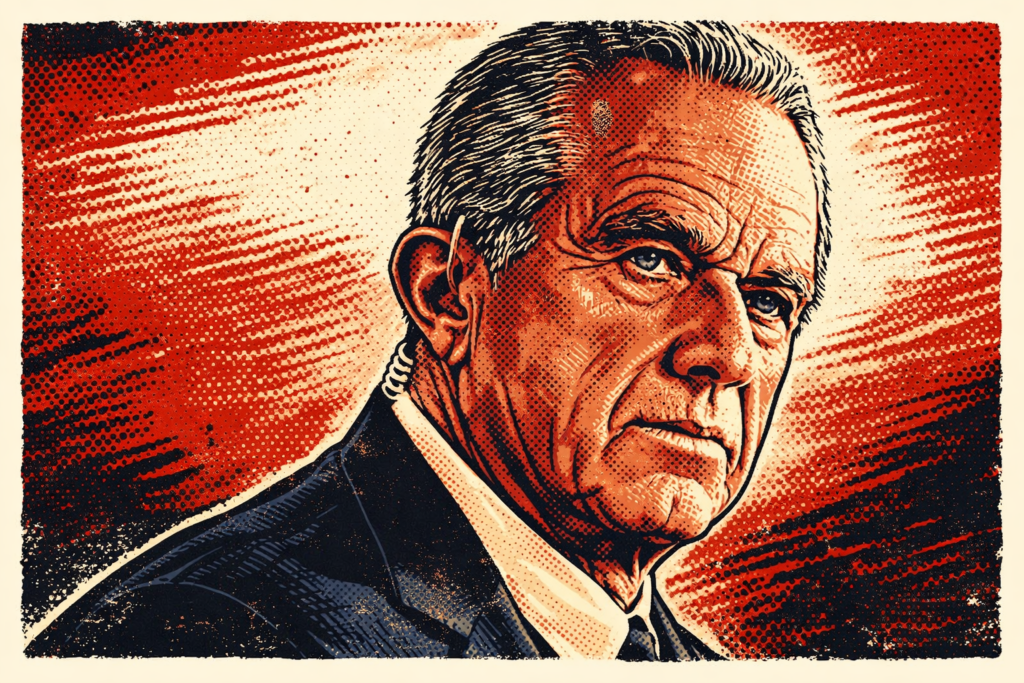
Lawmakers Question RFK Jr. Proposals
A growing political debate is unfolding in Washington over whether Robert F. Kennedy Jr. (RFK Jr.) will have enough Senate support to advance a key policy agenda tied to his role in the Trump administration’s health leadership, as lawmakers signal deep skepticism about several of his proposals and policy directions.
According to recent reporting from congressional hearings and political analysis, lawmakers from both parties have expressed uncertainty about backing initiatives associated with RFK Jr., particularly his controversial approach to public health policy, vaccine oversight, and federal health agency restructuring. The discussions come after a series of intense congressional hearings in which RFK Jr. was repeatedly questioned about his leadership of the Department of Health and Human Services (HHS) and the broader direction of U.S. health policy.
Over the course of a week, RFK Jr. appeared before multiple House and Senate committees, where he defended a proposed 12–13% reduction in HHS funding, arguing that cuts are necessary to address the federal deficit, which he estimated at around $39 trillion. He also promoted restructuring efforts within the department, including workforce changes and the reallocation of personnel toward chronic disease prevention programs.
However, lawmakers expressed concern that the proposed changes could weaken core public health infrastructure. Critics questioned whether reducing staffing levels and reorganizing agencies such as the CDC and NIH would undermine preparedness for disease outbreaks and reduce the government’s ability to respond to public health emergencies.
One of the most contentious issues during the hearings was vaccine policy. RFK Jr., who has a long history of vaccine skepticism, faced bipartisan scrutiny over his influence on federal vaccine advisory structures and messaging. Senators raised concerns about declining vaccination rates and the resurgence of diseases such as measles. According to reporting from multiple hearings, over 2,000 measles cases have been recorded in recent outbreaks, the highest level in decades, prompting concerns among public health officials.

Lawmakers challenged RFK Jr. on whether his policy positions or past statements had contributed to public confusion about vaccines. He denied responsibility for the outbreaks and emphasized that vaccination decisions should remain a matter of personal choice and parental discretion. Supporters of RFK Jr. argue that his approach prioritizes transparency and individual rights, while critics say it risks undermining trust in established medical guidance.
The hearings also highlighted internal tensions over leadership changes within federal health agencies. RFK Jr. has overseen or supported significant restructuring efforts, including changes to advisory committees and shifts in vaccine recommendation processes. These moves have drawn legal scrutiny, with some policy changes already facing court challenges and temporary injunctions.
Despite criticism, RFK Jr. also defended aspects of his agenda that focus on chronic disease prevention, nutrition, and food industry regulation. He argued that long-term health outcomes can be improved by addressing dietary factors and reducing reliance on processed foods and pharmaceutical interventions. Some Republican lawmakers praised these initiatives, even as they disagreed with his stance on vaccines.
The political outlook for RFK Jr.’s broader agenda remains uncertain. Lawmakers have not reached consensus on whether to fully support or oppose his proposals, and several Senate members have indicated they are reviewing the policy package before taking a formal position. Political analysts suggest that the combination of vaccine controversy, budget cuts, and agency restructuring has made his agenda one of the most divisive elements of current health policy discussions.
At the same time, the White House has continued to express support for RFK Jr.’s leadership, framing his reforms as part of a broader effort to reduce government spending and modernize the public health system. However, internal divisions within Congress suggest that any major policy changes may face significant negotiation or modification before approval.
Overall, the situation reflects a broader political struggle over the future direction of U.S. health policy, with RFK Jr. at the center of debates involving public health authority, fiscal policy, and scientific trust.

⚖️ Key Legal / Policy Outcome
- Lawmakers show uncertainty about backing RFK Jr.-linked health policy agenda.
- RFK Jr. defended proposed HHS budget cuts of about 12–13%.
- Vaccine policy and CDC restructuring remain major points of bipartisan concern.
- Senate and House committees continue reviewing his proposals without consensus.
- No final vote or approval on key policy changes has been reached.
📌 Why It Matters
- Could reshape U.S. federal health policy and agency structure.
- Highlights deep political divide over vaccines and public health authority.
- Affects funding for major institutions like CDC and NIH.
- Raises concerns about public trust in medical guidance.
- Signals potential legislative resistance to Trump-era health reforms.
