
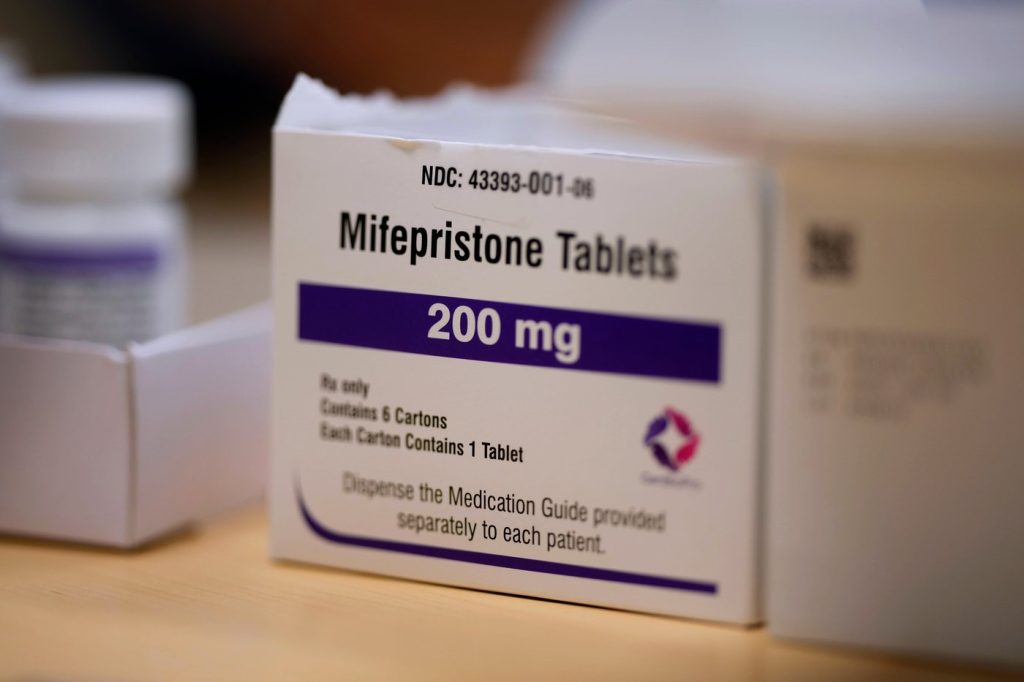
Louisiana Issues Arrest Warrant for California Doctor Over Mailing Abortion Pills
Louisiana has taken the rare step of issuing a criminal arrest warrant for a California physician accused of mailing abortion pills to a patient in the state—marking an aggressive enforcement of its post-Dobbs abortion ban. The doctor in question, Dr. Remy Coeytaux, is alleged to have provided pills in 2023 to a Louisiana woman, Rosalie Markezich, after her then-boyfriend used her email address to place the order.
According to court filings, Markezich says she never wanted to take the pills and felt pressured by her partner. The Louisiana Attorney General’s office, led by Liz Murrill, has joined Markezich’s side in a lawsuit that aims to block telehealth prescriptions of mifepristone, one of the drugs commonly used in medication abortion regimens.
Because Louisiana bans abortion at all stages of pregnancy, doctors convicted of providing abortion services—including via pills—face serious penalties, possibly up to 15 years in prison and $200,000 in fines. Meanwhile, Dr. Coeytaux is also facing a civil lawsuit in Texas for similar conduct.

This move is part of a broader trend: several conservative states are trying to clamp down on out-of-state providers who mail abortion medications into jurisdictions with strict bans. But some states (like California and New York) have enacted “shield laws” aimed at protecting those providers from out-of-state prosecution. In the Louisiana filings, the state also threatens legal action against governors whose protective laws enable providers to avoid criminal liability.
The case underscores escalating legal tension between state powers over abortion and the reach of telemedicine. Whether the warrant leads to prosecution—and whether the requested extradition from California can be enforced—is uncertain, given competing state laws and constitutional issues ahead.

Why It Matters
-
Represents a new front in anti-abortion efforts: criminally targeting out-of-state providers who mail pills.
-
Challenges the concept that medical telehealth across state lines is protected or safe from local bans.
-
Heightens the clash between “shield laws” in liberal states and criminal statutes in conservative states.
-
Puts patients at risk: fear of prosecution may deter providers from offering abortion services via mail.
-
Raises constitutional questions: interstate commerce, due process, and cross-state enforcement of criminal laws.
Key Social Outcomes
-
Increased chilling effect: providers may withdraw from serving patients in restrictive states.
-
Reduced access: more women may find it harder to obtain abortion pills, especially in banned states.
-
Exacerbated inequality: those with fewer resources or in remote areas suffer more from reduced access.
-
Polarization intensifies: the public may see the move as politically motivated punishment, accelerating divides.
-
Pressure on state and federal courts: this case could become a test of whether states can criminalize cross-state medical services.
Publication Date & Outlet Link
- Publication: today (as of AP News) — Louisiana issues a warrant to arrest California doctor accused of mailing abortion pills AP News
- Link: AP News article AP News
