
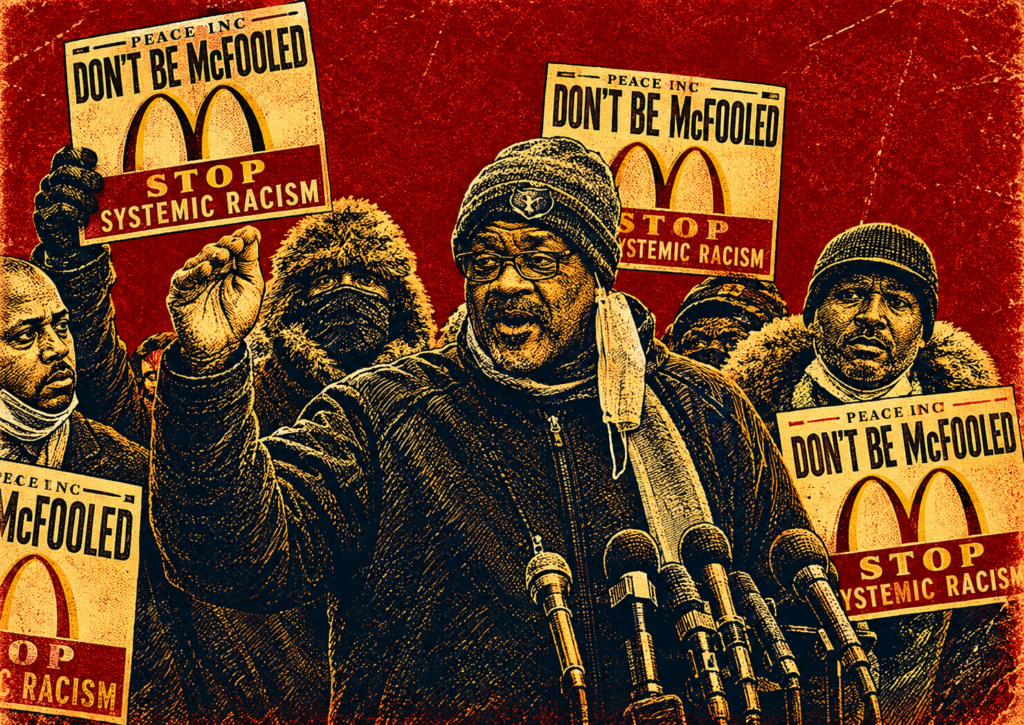
McDonald’s Defeats Most Black Franchisees’ Claim
A federal judge in Chicago has significantly narrowed a sweeping lawsuit brought by Black McDonald’s franchisees who accused the fast-food company of systematically discriminating against them in the operation and ownership of its restaurants. U.S. District Judge Steven Seeger dismissed broad discrimination and retaliation claims brought by 48 franchisees, concluding that many of the allegations were either too vague or were filed too late. Several claims involving allegations that Black franchisees received unequal business benefits will continue. The ruling therefore represents a major reduction in the scope of the litigation, rather than a final resolution of every discrimination allegation raised by the franchisees.
The lawsuit was part of broader litigation in which Black McDonald’s franchisees alleged that the company’s business practices disadvantaged them because of their race. Among the allegations were claims that McDonald’s steered Black franchisees toward less profitable restaurants and predominantly Black neighborhoods while white franchisees were given greater access to more profitable locations. Plaintiffs also alleged that McDonald’s treated Black franchisees differently in areas such as rent relief, restaurant inspections and other aspects of the franchise relationship.
The litigation has involved a number of franchisees and related cases. In one earlier case involving former franchisee Mitchell McPherson, Judge Seeger similarly dismissed some claims while allowing others to proceed. McPherson alleged that McDonald’s steered him toward undesirable restaurants, denied him rent relief and subjected him to more demanding inspections than white franchisees. The March 2026 ruling emphasized that, at the motion-to-dismiss stage, the court was required to accept adequately pleaded allegations as true and was not making a final determination about whether the alleged discrimination actually occurred.
The latest ruling takes a more substantial step in narrowing the broader litigation. Reuters reported that Judge Seeger found the claims of 48 franchisees insufficient in significant respects, including because some allegations were vague or outside applicable time limits. The decision does not mean that a court has found McDonald’s practices to be free of racial discrimination in every respect. Instead, it determines which particular claims can continue under the legal standards governing the litigation.
The franchisees’ allegations concern the economics of McDonald’s franchise system. The company relies heavily on franchisees to operate its restaurants, with franchisees generally paying rent and other fees to McDonald’s. According to the court record in the related McPherson case, about 93% of McDonald’s restaurants are operated by franchisees and roughly 69% of the company’s annual revenue comes from rent and fees charged to franchisees. That structure makes decisions about restaurant locations, leases, inspections, fees and other contractual terms particularly significant to franchise owners.
The plaintiffs have alleged that race affected those decisions. They contend that Black franchisees were disproportionately directed toward restaurants in less profitable markets, while white franchisees were allegedly offered opportunities in more affluent and profitable areas. Some plaintiffs also alleged that McDonald’s provided financial relief or more favorable treatment to white franchisees while subjecting Black franchisees to more stringent requirements.
McDonald’s has denied wrongdoing. The company has argued that the plaintiffs’ claims do not establish actionable discrimination and has challenged the timing and sufficiency of the allegations. The latest ruling reflects the court’s assessment of whether the claims were adequately pleaded and timely, rather than a finding that every factual allegation made by the franchisees was false.

The distinction is important because a dismissal at the pleading stage does not ordinarily constitute a trial finding on the underlying facts. Courts deciding motions to dismiss generally assess whether the complaint contains legally sufficient allegations, rather than weighing competing evidence as a jury or judge would after a full trial.
The litigation also fits into a larger series of legal disputes involving allegations of racial discrimination at McDonald’s. The company has faced lawsuits involving Black franchisees, former executives and other business relationships. In a separate case earlier in 2026, two former Black female McDonald’s executives were allowed to proceed with racial-harassment and retaliation claims, although their claims concerning allegedly discriminatory promotion decisions were dismissed. McDonald’s denied wrongdoing in that case as well.
The latest franchisee ruling leaves some allegations alive, particularly claims concerning unequal benefits. Those surviving claims could continue through further litigation, potentially producing additional rulings or other resolution. The plaintiffs may also have opportunities to challenge portions of the ruling through appellate procedures, depending on the applicable procedural rules and the status of the individual claims.
For McDonald’s, the decision reduces the immediate scope of a major lawsuit alleging systemic discrimination across its franchise system. For the franchisees whose claims remain, however, the litigation continues and could require further factual development before the court determines whether the allegations are ultimately supported by evidence.
The case therefore should not be characterized as a complete judicial finding that McDonald’s did or did not engage in racial discrimination. The Sept. 22 ruling primarily concerns which claims can proceed under applicable pleading and limitations rules. The remaining litigation will determine whether the surviving allegations can ultimately be substantiated and what legal consequences, if any, follow.

Key Legal Outcome
- A federal judge in Chicago dismissed broad race-discrimination and retaliation claims brought by 48 Black McDonald’s franchisees.
- The court found that many allegations were too vague or were brought outside applicable time limits.
- Claims alleging unequal benefits or treatment involving some franchisees remain pending.
- The ruling substantially narrows the lawsuit but does not resolve every discrimination allegation against McDonald’s.
- McDonald’s has denied wrongdoing, and the remaining claims have not resulted in a final finding of liability.
Why It Matters
- The ruling sharply reduces the number and scope of claims in a major franchise-discrimination lawsuit.
- The surviving claims could provide further litigation over whether Black franchisees received unequal treatment.
- The case highlights the legal importance of timing and specificity when pursuing discrimination claims.
- The litigation could affect how courts evaluate broader allegations of systemic discrimination within franchise relationships.
- The decision adds to continuing legal scrutiny of McDonald’s treatment of Black franchisees, employees and business partners.
