
Nevada State Bar Won’t Discipline Former Judge for Stalking
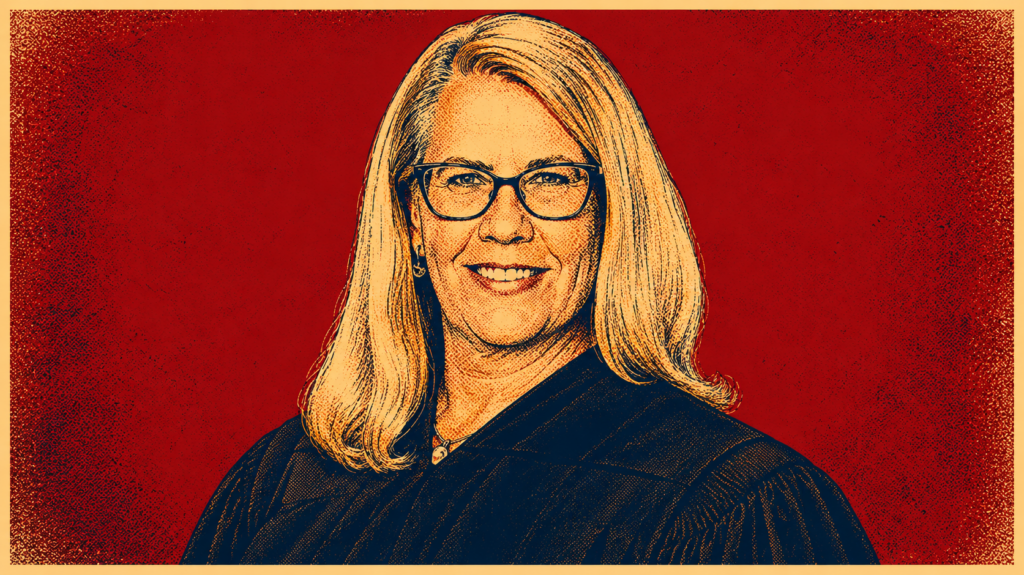
The Nevada State Bar has closed its investigation into former Washoe County Family Court Judge Bridget Robb without imposing disciplinary action, despite her guilty plea to a misdemeanor stalking charge and the controversy that led to her departure from the bench. The decision concludes a closely watched ethics matter that raised questions about judicial accountability and whether criminal conduct by former judges should result in professional sanctions.
Robb retired from the bench in February after a protective order was issued against her. The circumstances surrounding the order and subsequent criminal proceedings drew significant public attention, particularly because Robb served as a family court judge responsible for handling sensitive legal matters involving families and children. Her departure from the judiciary came amid growing scrutiny over her conduct and whether it reflected the standards expected of members of the legal profession.
In May, Robb pleaded guilty to a misdemeanor stalking charge, a development that prompted renewed calls for professional discipline. Critics argued that a criminal conviction involving a former judge warranted additional review by legal regulators and could undermine public confidence in the judicial system if left unaddressed. Others questioned whether a judge who admitted to criminal conduct should continue to be eligible to practice law without further consequences.
Following a review of the matter, however, the Nevada State Bar determined that disciplinary action was not appropriate at this time. While the organization has not publicly disclosed detailed findings regarding its decision, the outcome means Robb will not face sanctions that could have affected her law license or ability to practice as an attorney.

The case highlights the distinction between criminal proceedings and attorney discipline. A criminal conviction does not automatically result in professional sanctions, and disciplinary authorities generally conduct independent reviews to determine whether an attorney’s conduct violated specific ethical rules governing the legal profession. In many cases, regulators consider the severity of the offense, surrounding circumstances, prior disciplinary history, and whether the conduct reflects adversely on a lawyer’s fitness to practice law.
Supporters of the State Bar’s decision note that disciplinary proceedings must be based on established legal standards rather than public reaction or media attention. They argue that attorney discipline should only be imposed when clear evidence demonstrates a violation of professional conduct rules and that due process protections apply to all attorneys, including former judges.
Critics, however, contend that the outcome may raise concerns about accountability within the legal profession. Because judges are expected to uphold the law and maintain the highest ethical standards, some believe that criminal misconduct by a member of the judiciary should trigger greater scrutiny from professional regulators. They argue that public trust in the legal system depends on holding judges and attorneys accountable for conduct that may undermine confidence in the courts.
The decision also underscores the challenges disciplinary authorities face when evaluating cases involving former judges. Judicial misconduct proceedings and attorney disciplinary actions operate under different rules and procedures, and a judge’s resignation or retirement may complicate efforts to pursue certain forms of accountability.
For Robb, the State Bar’s decision brings an end to a significant chapter in a controversy that led to both her retirement and criminal conviction. For the legal community, the case serves as a reminder of the ongoing debate over judicial ethics, professional responsibility, and the balance between due process and public expectations of accountability.
Although the matter appears resolved from a disciplinary standpoint, the case is likely to remain a topic of discussion among legal ethics experts and court observers who continue to examine how professional regulators respond when members of the judiciary become involved in criminal cases.

Key Legal Outcomes
- Former Judge Bridget Robb pleaded guilty to a misdemeanor stalking charge.
- Robb retired from the Washoe County Family Court bench after a protective order was issued against her.
- The Nevada State Bar investigated the matter following the criminal case.
- The State Bar decided not to pursue disciplinary action.
- Robb remains eligible to practice law in Nevada.
Why It Matters
- The case involves a former family court judge who admitted to criminal conduct.
- It raises questions about accountability for judges and attorneys.
- The decision highlights the difference between criminal penalties and professional discipline.
- The outcome may influence future ethics reviews involving former judges.
- The case could affect public confidence in the legal profession and judiciary.
