
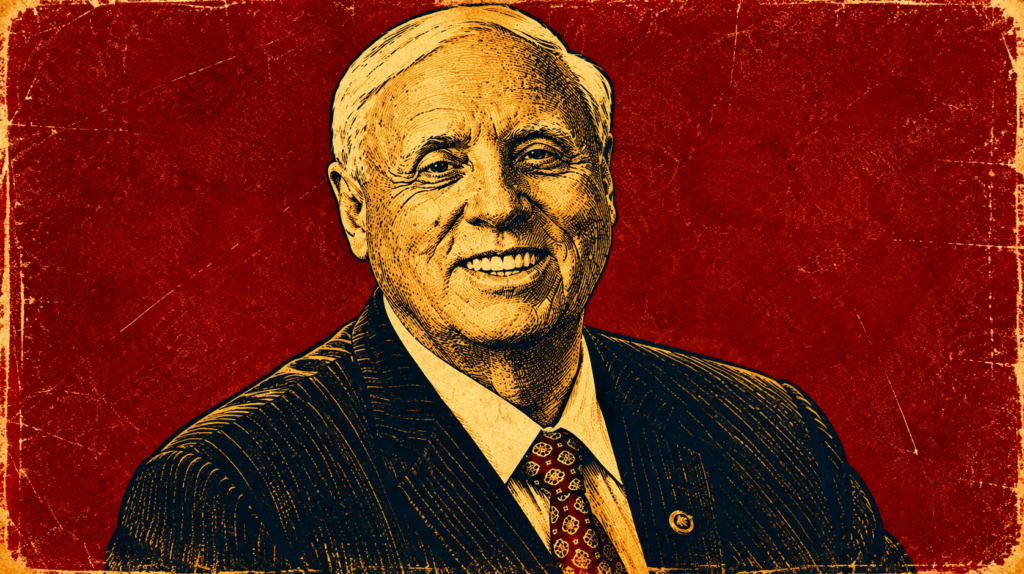
Senator Jim Justice Must Pay More Than $25 Million in Coal Company Debt
A federal appeals court has ruled that U.S. Senator Jim Justice must pay more than $25 million in debt connected to his family’s coal businesses. The decision confirms that Justice is personally responsible for financial obligations he guaranteed after the companies failed to meet their agreements with Lexon Insurance Company. The case highlights the importance of personal guarantees and the legal consequences of signing contracts on behalf of struggling businesses.
Justice and his family own and operate several coal companies that obtained surety bonds from Lexon. These bonds help mining companies meet regulatory requirements, including obligations related to restoring mined land. In return for providing the bonds, Lexon required the companies to pay insurance premiums and provide collateral to protect the company from potential financial losses.
The companies initially maintained their arrangements with Lexon, but their financial position deteriorated as the coal industry faced difficult market conditions. Beginning around 2016, the companies increasingly struggled to pay their premiums on time. Lexon responded by requiring additional collateral to reduce its financial exposure if the companies failed to fulfill their obligations.
In 2018, Lexon agreed to release some collateral so the companies could address certain debts. In exchange, the businesses promised to provide replacement collateral and pay overdue premiums. Justice personally guaranteed that the companies would fulfill these commitments. When they failed to meet the agreed requirements, the parties negotiated another agreement in February 2019 that established new payment obligations.
Under the revised agreement, the companies were required to provide $20 million in collateral and pay overdue premiums. Justice signed another personal guarantee covering the companies’ obligations, subject to the terms stated in the agreement. The guarantee became central to the dispute because Lexon argued that Justice was personally responsible when the businesses failed to pay.
Despite additional payment arrangements and extensions, the companies did not satisfy their obligations. They paid only $5.75 million toward the required $20 million in collateral and stopped making collateral payments after December 2019. They also made some premium payments but eventually stopped paying premiums altogether in March 2021. The outstanding obligations continued to accumulate.

In July 2023, Lexon formally demanded that Justice pay the remaining amounts under his personal guarantee. The agreement required payment within three business days of a written demand. Justice did not pay the amount demanded, prompting Lexon to pursue legal action to enforce the guarantee and recover the unpaid collateral and premiums.
A federal district court previously ruled that Justice was liable and calculated the amount owed at approximately $25.18 million, plus interest. The calculation included $14.25 million in outstanding collateral obligations and approximately $10.93 million in premium-related debt. The court determined that the premium balance could increase as additional premiums became overdue under the revised agreement.
Justice challenged the ruling, arguing that the contract limited the amount of premium debt covered by his guarantee. He maintained that the agreement identified a specific initial debt figure of approximately $3.54 million and that his personal responsibility should not extend beyond that amount for premiums. His appeal focused on how the agreement defined total indebtedness and how that definition affected the guarantee.
The Sixth Circuit rejected Justice’s arguments. It concluded that the contract had to be interpreted as a whole and that the language allowed the premium debt to increase when additional payments became overdue. The court also found that the personal guarantee covered the applicable total indebtedness rather than limiting Justice’s responsibility to the initial dollar amount he identified. The appeals court therefore upheld the lower court’s ruling.
The decision illustrates how courts interpret written agreements when businesses and guarantors disagree over payment obligations. Rather than considering one sentence in isolation, the court examined the related provisions and the personal guarantee together. It concluded that the documents clearly addressed continuing payment defaults and that the interpretation urged by Justice would undermine other provisions of the agreement.
The case serves as a warning to business owners, executives, investors, and individuals who personally guarantee corporate debt. A personal guarantee can expose an individual’s own assets to liability when a company defaults, even if the original debt arose from business operations. The ruling also demonstrates why parties should carefully review contract language, understand how unpaid amounts may accumulate, and seek legal advice before accepting personal responsibility for another entity’s obligations. The appeals court’s decision confirms the judgment against Justice for more than $25 million, plus interest.

KEY LEGAL OUTCOMES
- Appeals court upheld liability: The Sixth Circuit affirmed the ruling requiring Jim Justice to honor his personal guarantee.
- More than $25 million owed: The lower court calculated the judgment at approximately $25.18 million, plus interest.
- Premium debt could increase: The court found that additional overdue premiums were included under the agreement’s definition of total indebtedness.
- Personal guarantee enforced: Justice remained responsible even though the underlying debts belonged to the coal companies.
- Contract interpretation proved decisive: The court read the related agreement and guarantee together rather than treating the initial debt figure as a fixed overall limit.
WHY IT MATTERS
- Personal guarantees carry serious risks: Individuals can become personally liable when businesses fail to pay their debts.
- Contract wording matters: Payment terms, liability limits, and definitions of debt can determine the outcome of a major lawsuit.
- Business defaults can become personal financial problems: Corporate financial distress may affect owners who have guaranteed company obligations.
- Creditors can enforce written promises: Lenders and surety companies may pursue guarantors when businesses fail to honor payment agreements.
- Legal review can prevent costly disputes: Businesses and individuals should understand how debt, interest, collateral, and future unpaid amounts are calculated before signing contracts.
