
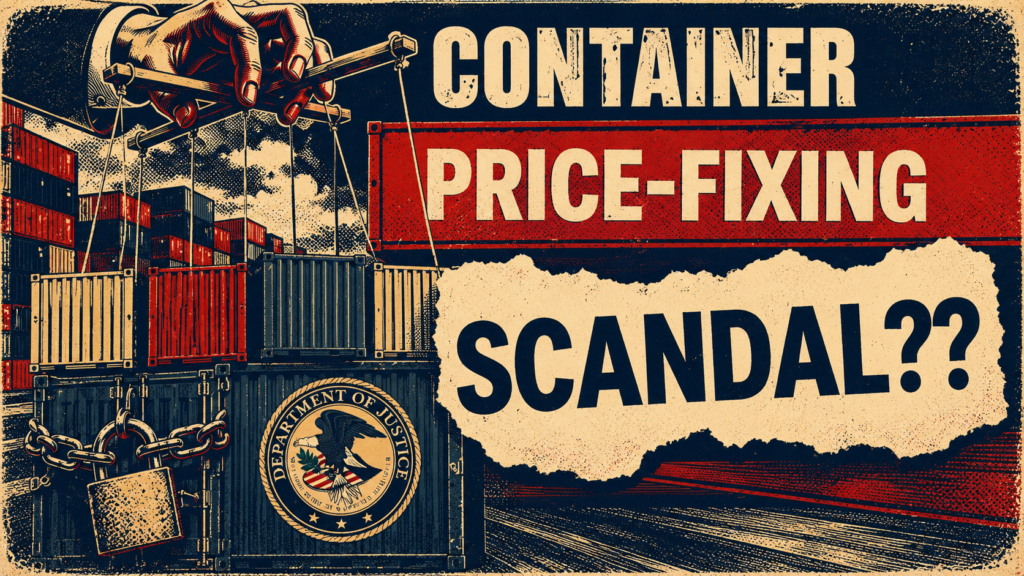
Shipping Firms Face Antitrust Conspiracy Claims
A group of shipping container buyers has filed a proposed class action lawsuit accusing some of the world’s largest shipping container manufacturers of participating in a coordinated scheme to restrict production and artificially inflate prices during the COVID-19 pandemic. The lawsuit comes shortly after federal prosecutors secured a criminal indictment related to the alleged conduct, adding significant momentum to claims that the container market was manipulated during a period of unprecedented disruption to global supply chains.
According to the complaint, the manufacturers allegedly conspired to limit the production of shipping containers at a time when demand for global freight transportation was surging. As economies adjusted to pandemic-related disruptions, international trade experienced dramatic shifts, leading to shortages of containers and soaring transportation costs. The plaintiffs claim that rather than responding to increased demand by expanding production, the manufacturers worked together to restrict supply, resulting in higher container prices and increased costs for businesses that relied on ocean freight.
The proposed class action seeks to represent purchasers of shipping containers who allegedly paid inflated prices because of the manufacturers’ conduct. Plaintiffs argue that the alleged conspiracy violated federal antitrust laws designed to promote fair competition and prevent companies from engaging in price-fixing, output restrictions, and other anticompetitive practices.
The lawsuit follows a recent criminal indictment that reportedly accused industry participants of engaging in anticompetitive conduct. While the criminal case and the civil lawsuit are separate proceedings, the indictment may provide support for the plaintiffs’ allegations and could strengthen efforts to obtain damages. Antitrust plaintiffs often rely on evidence uncovered through government investigations to help establish unlawful coordination among competitors.

The case focuses on one of the most critical sectors of global commerce. Shipping containers are essential to international trade, transporting goods ranging from consumer products and electronics to industrial materials and agricultural commodities. Any manipulation of container supply can have far-reaching economic consequences, affecting manufacturers, retailers, distributors, and ultimately consumers.
Plaintiffs contend that the alleged conspiracy distorted normal market forces during a period when businesses were already struggling with supply chain bottlenecks. The pandemic created extraordinary demand pressures across logistics networks, and container shortages became a major challenge worldwide. The lawsuit alleges that manufacturers exploited these market conditions by restricting output instead of competing independently.
The proposed class action seeks monetary damages for affected purchasers and could potentially involve substantial financial exposure if the allegations are proven. Under U.S. antitrust law, successful plaintiffs may be entitled to treble damages, meaning proven losses can be tripled. This significantly increases the stakes for companies accused of participating in anticompetitive conduct.
The defendants have not yet had the opportunity to fully contest the allegations in court, and the claims remain unproven. As the litigation progresses, key issues will likely include whether the manufacturers coordinated their production decisions, the extent of any communication among competitors, and whether market conditions alone could explain the reduction in output and price increases.
The lawsuit also highlights the growing scrutiny of industries that experienced significant price increases during the pandemic. Regulators and private litigants have increasingly examined whether shortages and supply disruptions resulted solely from market forces or were exacerbated by unlawful conduct.
If the plaintiffs succeed, the case could become one of the more significant antitrust actions arising from pandemic-era supply chain disruptions. Beyond potential financial liability, the litigation may influence future competition enforcement efforts in global manufacturing and logistics markets. The outcome could also provide important guidance regarding how courts evaluate allegations of coordinated output restrictions during periods of economic crisis and market volatility.

Key Legal Outcomes
- Shipping container buyers filed a proposed class action alleging an industry-wide price-fixing conspiracy.
- Plaintiffs claim major manufacturers coordinated to restrict container production during the COVID-19 pandemic.
- The lawsuit alleges violations of federal antitrust and competition laws.
- The civil case follows a recent criminal indictment related to the alleged conduct.
- Purchasers are seeking damages for allegedly inflated container prices caused by reduced supply.
Why It Matters
- The case targets a critical component of global trade and supply chain infrastructure.
- It could result in substantial financial liability if antitrust violations are proven.
- The lawsuit highlights concerns about market manipulation during periods of economic disruption.
- The outcome may influence future antitrust enforcement in global manufacturing industries.
- Businesses that purchased containers may seek compensation for pandemic-era overcharges.
Related:
