
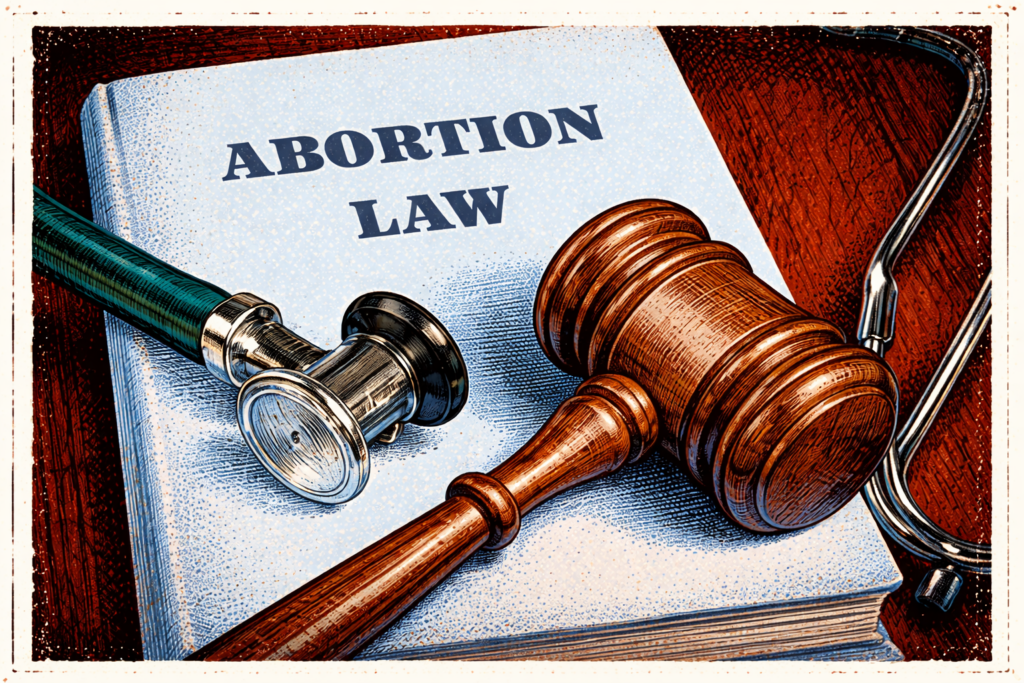
Supreme Court Pauses Abortion Pill Restrictions
The Supreme Court of the United States has temporarily paused a lower court ruling that would have significantly restricted access to a widely used abortion pill by mail, marking another pivotal moment in the ongoing legal battle over reproductive rights in the United States.
The dispute centers on the abortion medication mifepristone, which is commonly used in combination with another drug to terminate early pregnancies and manage miscarriages. For years, federal regulators—specifically the U.S. Food and Drug Administration (FDA)—have allowed the drug to be prescribed via telehealth and delivered by mail, a policy that expanded access to abortion care, particularly in rural areas and states with limited clinic availability.
However, a recent ruling by the US Court of Appeals for the Fifth Circuit disrupted that system. The appellate court sided with the state of Louisiana in temporarily blocking the FDA’s policy, effectively requiring patients to obtain the medication in person from a healthcare provider. This decision would have imposed nationwide restrictions, even in states where abortion remains legal, creating immediate uncertainty for providers, patients, and pharmaceutical companies.
In response, manufacturers of the drug—Danco Laboratories and GenBioPro—filed emergency requests asking the Supreme Court to intervene. They argued that the Fifth Circuit’s ruling was unprecedented and would cause widespread disruption to established medical practices. According to the companies, the decision would not only limit access to abortion services but also interfere with miscarriage care, for which the medication is also prescribed.
Justice Samuel Alito issued an administrative stay, temporarily halting the lower court’s restrictions. This order allows the existing system—where patients can receive the medication through mail and telehealth—to remain in place while the Supreme Court considers the broader legal issues. The stay is limited in duration, extending only until May 11, giving the Court time to decide how to proceed with the case.
The Court’s intervention does not resolve the underlying legal dispute but maintains the status quo for the time being. Legal experts note that such temporary stays are often used to prevent immediate disruption while justices evaluate complex legal questions. In this case, the Court must weigh issues involving federal regulatory authority, state abortion laws, and access to healthcare.

The case also reflects broader tensions following the Supreme Court’s 2022 decision to overturn Roe v. Wade, which eliminated the federal constitutional right to abortion and returned regulatory authority to the states. Since then, states have adopted a wide range of policies, from near-total bans to expanded protections. Medication abortion—particularly through telehealth and mail delivery—has become a central battleground in this evolving legal landscape.
Supporters of expanded access argue that mail delivery of mifepristone is safe, effective, and essential for ensuring equitable healthcare access. They point to decades of research and FDA approval supporting the drug’s use. Abortion rights advocates also warn that restricting mail access could disproportionately affect individuals in underserved or restrictive states.
Opponents, including Louisiana officials, contend that the FDA’s policies undermine state laws and fail to adequately address safety concerns. They argue that allowing the drug to be mailed enables individuals to bypass state-level abortion restrictions, raising both legal and regulatory issues.
The Supreme Court’s temporary pause has been welcomed by abortion rights groups as a critical, though uncertain, reprieve. However, many caution that the issue remains unresolved and that access to medication abortion continues to “hang in the balance,” depending on the Court’s next steps.
The outcome of this case could have far-reaching implications. A decision to uphold the Fifth Circuit’s restrictions could significantly limit access to medication abortion nationwide, while a ruling in favor of the FDA’s policy could reinforce federal authority over drug regulation and protect telehealth-based access.
Ultimately, the case underscores the complex interplay between federal agencies, state governments, and the judiciary in shaping healthcare policy. As the Supreme Court prepares to consider the merits of the dispute, the temporary stay ensures that, for now, patients can continue to access the abortion pill through mail and telehealth—though the long-term future of that access remains uncertain.

Key Legal Outcomes
- Supreme Court of the United States issued temporary stay on lower court ruling
- Samuel Alito allowed mail access to continue temporarily
- Fifth Circuit ruling would have required in-person access only
- Case involves challenge to FDA policy on drug distribution
- Final decision pending after temporary pause expires
Why It Matters
- Directly impacts nationwide access to abortion medication
- Tests limits of federal vs state authority in healthcare
- Affects telehealth and mail-based medical services
- Central to ongoing post-Roe v. Wade legal battles
- Could set precedent for future drug regulation cases
