
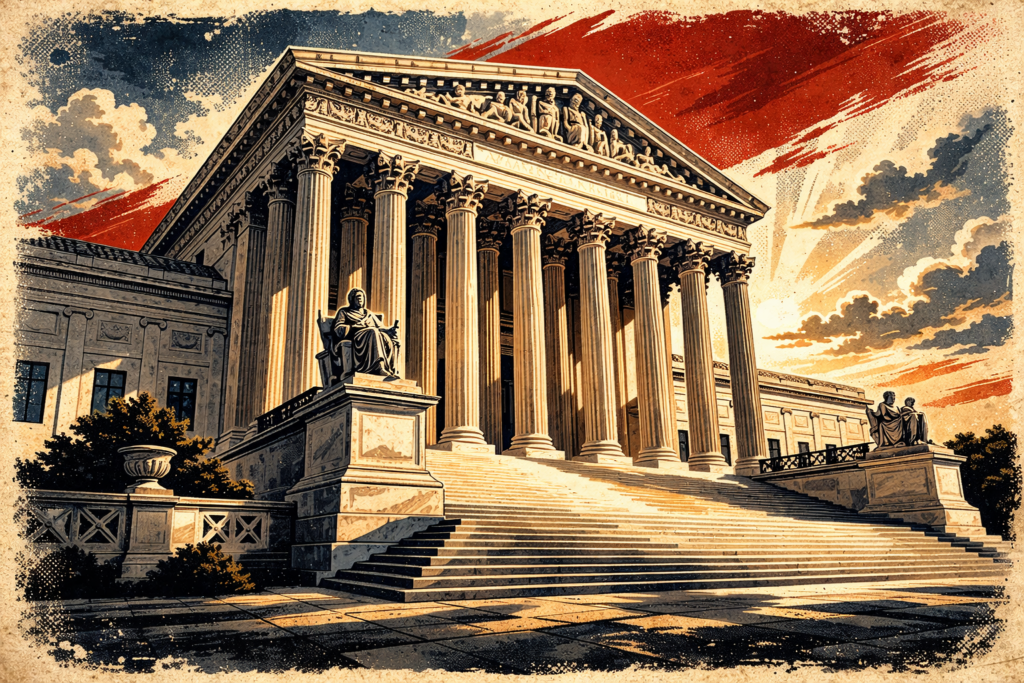
Supreme Court Reviews Roundup Lawsuit Case
A major legal and public health debate is unfolding in the United States as the maker of the widely used herbicide Roundup heads to the U.S. Supreme Court, while a new Reuters/Ipsos poll shows that most Americans are deeply concerned about pesticide exposure in food and the environment.
The case centers on Bayer AG, which inherited Roundup after acquiring Monsanto. The company is asking the Supreme Court to limit thousands of lawsuits alleging that the herbicide causes cancer, particularly non-Hodgkin’s lymphoma. At the heart of the dispute is whether federal pesticide regulations override state-level lawsuits claiming inadequate warning labels.
Bayer argues that because the U.S. Environmental Protection Agency (EPA) has approved Roundup’s labeling and has not classified its active ingredient glyphosate as carcinogenic, it should be shielded from state lawsuits that challenge those federal determinations. The company says allowing such lawsuits would create conflicting legal standards across states and expose manufacturers to unpredictable liability.
On the other side, plaintiffs argue that federal approval does not prevent companies from being held accountable under state law for failing to adequately warn consumers about health risks. Many of these lawsuits were filed by individuals who claim long-term exposure to Roundup led to cancer diagnoses. More than 100,000 similar cases have been filed over the years, resulting in billions of dollars in settlements and jury verdicts against Bayer.
The Supreme Court case is being closely watched because it could determine whether federal regulation effectively shields companies from state-level “failure to warn” lawsuits. A ruling in Bayer’s favor could dramatically reduce or even eliminate a large portion of ongoing litigation.
At the same time, public concern over pesticides appears to be rising sharply. A Reuters/Ipsos poll found that a large majority of Americans are worried about pesticide use in food crops and chemical exposure in everyday life. According to the survey, about 78% of respondents expressed concern about pesticides, and a majority opposed laws that would protect companies from lawsuits involving potentially harmful products—even if those products comply with federal labeling rules.

This widespread concern cuts across political lines, suggesting that skepticism about chemical exposure is not limited to one demographic group. Many Americans also expressed broader worries about chemicals in food, microplastics in water, and long-term health risks linked to environmental exposure.
The poll results add a political dimension to the Supreme Court case. The Biden-era regulatory framework had been more cautious toward pesticide litigation, while the Trump administration has taken a more industry-friendly stance, supporting Bayer’s argument that federal law should preempt state lawsuits. This position has drawn criticism from environmental and consumer advocacy groups, who argue it weakens accountability for potentially harmful products.
The case also comes at a time when Bayer is under significant financial pressure. The company has already paid out billions in settlements related to Roundup lawsuits but continues to face new claims. It has warned that continued litigation could force it to reconsider the future of Roundup in the U.S. market.
Beyond the courtroom, the case reflects a broader tension in U.S. law: how to balance federal regulatory authority with state-level consumer protection rights. If the Supreme Court sides with Bayer, it could strengthen federal preemption in product liability cases, limiting the ability of individuals to sue companies over federally approved products.
If the court rules against Bayer, however, it could open the door for even more lawsuits across industries where federal safety approvals exist but state-level injury claims persist.
Ultimately, the outcome will have implications not just for Bayer, but for the entire agricultural and chemical industry—and for how far consumer lawsuits can go in challenging federally approved products.

⚖️ Key Legal Outcomes
- Bayer AG is seeking Supreme Court protection from Roundup lawsuits
- Case tests whether federal pesticide approval overrides state lawsuits
- Plaintiffs argue failure-to-warn claims should still be allowed under state law
- Outcome could affect tens of thousands of cancer-related lawsuits
- Decision may redefine federal vs state authority in product liability
📊 Why It Matters
- Could determine future of Roundup and similar pesticide litigation
- Impacts consumer ability to sue over federally approved products
- Highlights public concern over pesticides and chemical exposure
- May reshape corporate liability standards in the U.S.
- Reflects growing tension between regulation and public health fears
