
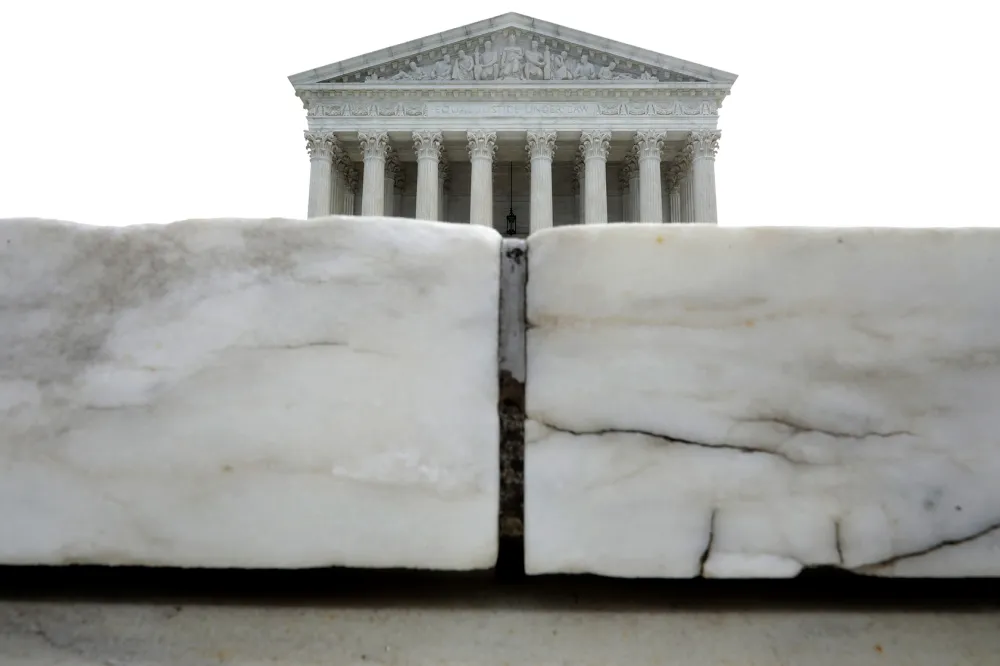
“The Supreme Court Case That Incited Violence”
📝Summary:
SCOTUSblog’s post highlights a disturbing historical Supreme Court decision: Minersville School District v. Gobitis (1940), which upheld compulsory flag salutes in schools. The decision sparked immediate backlash, including violent attacks on Jehovah’s Witness children and families—prompting a swift Supreme Court reversal just three years later in West Virginia State Board of Education v. Barnette (1943).
Authored by Anastasia Boden, the piece illustrates the real-world consequences of judicial decisions, especially those that compel patriotic conformity. In Gobitis, the Court justified forcing children to salute the flag and recite loyalty pledges, ruling that such actions maintained national unity. This ruling led to widespread mob violence—houses vandalized, children beaten, and Witnesses physically threatened—underscoring how judicial mandates can empower societal aggression.

The Court’s flip in Barnette thus stands as a rare and rapid reversal of a major constitutional ruling. It affirmed that the First Amendment protects against coerced speech—even about the flag—and it highlighted how judicial overreach can destabilize society and violate individual rights.
SCOTUSblog uses this case to question modern parallels. Today’s Supreme Court, particularly through its shadow docket and terse emergency rulings, sometimes issues decisions with minimal explanation. Critics fear such rulings—especially those advancing sweeping executive power—could similarly embolden individuals or institutions to act without accountability.
The post argues that Gobitis–Barnette reminds us: the content and clarity of judicial reasoning matter. Courts must weigh not only legal correctness but also societal ripple effects, especially when rulings carry symbolic weight or mandate ideological conformity.

⚖️ Key Legal & Historical Takeaways
-
Gobitis (1940) upheld mandatory flag salutes—prompting violent reprisals against Jehovah’s Witnesses. SCOTUSblog
-
Overturned in Barnette (1943), affirming protection from coerced speech under the First Amendment. theguardian.com+15SCOTUSblog+15en.wikipedia.org+15
-
Demonstrates how judicial mandates can provoke real-world violence.
-
Highlights the speedy reversal as a safeguard against constitutional overreach. theguardian.com+1SCOTUSblog+1SCOTUSblog+1x.com+1
-
Offers a cautionary parallel to modern brief shadow-docket rulings.
❗ Why It Matters
-
Reveals how court decisions can trigger societal violence, not merely legal change
-
Reminds justices to consider public repercussions, not just legal doctrine
-
Provides context for caution in issuing unsigned emergency orders today
-
Emphasizes importance of detailed opinions, not terse rulings
-
Urges public awareness of the Court’s power to influence civic behavior
SCOTUSblog – Read full article
Published: July 22, 2025
🔍Tags
supreme court violence, gobitis barnette, forced flag salute, first amendment history, judicial reversal, shadow docket caution, judicial impact violence, barnette 1943
